If you’ve ever walked down the plumbing supply aisle at a hardware store, you’ve probably spotted hot melt pipe fittings stacked neatly next to other pipe connectors, and you might’ve wondered: Can these actually be safe for drinking water? As a hot melt pipe fittings supplier with over 12 years of working directly with plumbers, contractors, and even residential homeowners, this is one of the most common questions we get. It’s not just a passing concern—drinking water quality directly impacts families, restaurants, schools, and every building that uses potable water, so there’s no room for guesswork here. Let’s break this down with real data, hands-on experience, and the facts that matter most. Hot Melt Pipe Fittings

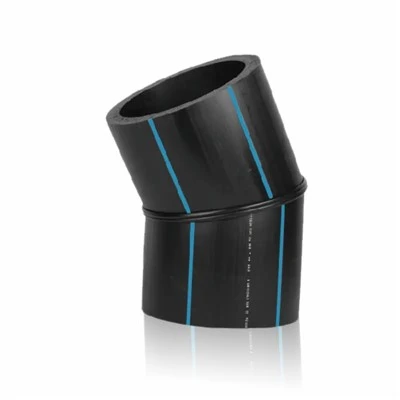
First, let’s clear up a common mix-up: “hot melt” refers to the method used to join these fittings to pipes, not the material of the fitting itself. Most potable hot melt fittings are made from food-grade plastics, specifically materials like polyethylene (PE, often PEX or HDPE) and polypropylene (PP, commonly PP-R). These aren’t random plastics—they’re formulated specifically for contact with water intended for human consumption, and they have to pass strict industry testing before they hit our shelves. The joining process, called socket fusion for PE or butt fusion for larger pipes, works by heating the ends of the pipe and the fitting with a specialized tool until they’re molten, then pressing them together firmly and letting the joint cool. That creates a single, seamless bond—no glue, no solvents, no adhesives left behind to leach into water. For anyone who’s ever worried about glue fumes or residue leaching into their tap water, this is a huge advantage. Solvent-welded fittings, which use chemical adhesives, rely on those chemicals to create a bond, and even when done correctly, small amounts of residual solvent can sometimes leach over time. Hot melt joints, by contrast, have zero foreign materials in the bond, so that risk is eliminated entirely.
Now, let’s talk about the standards that govern these fittings, because “safe” isn’t just a claim—it’s a requirement. In the U.S., the key standard is NSF/ANSI 61, which sets strict limits for substances that can leach into drinking water. Every hot melt fitting we supply is third-party tested to NSF/ANSI 61, meaning independent labs check for heavy metals, organic compounds, and other contaminants to make sure they don’t exceed legal limits. For example, lead content is capped at 0.25% for potable plumbing materials in the U.S. (lowering to 0.05% starting in 2024, and our fittings already meet that more stringent standard). Internationally, if you’re working with projects in Europe, you’ll recognize DVGW W270, which tests for microbial growth on plastic surfaces, or WRAS approval in the UK, which confirms materials are safe for potable water. We make sure every batch of our fittings carries the proper certification, because we’ve seen too many uncertified knockoff fittings pop up in the market over the years—and those are the ones that cause problems. Last year, we had a contractor come to us after a job where he used cheap, unmarked hot melt fittings for a school’s water lines; when the district tested the water, the fittings failed NSF standards because they were made from substandard PE resin with high levels of lead. That’s why we never cut corners on certifications, and why we always advise customers to ask for proof of testing before buying any fittings for drinking water systems.
A lot of people also ask about temperature and pressure—can hot melt fittings hold up to hot water, which is used for showers, dishwashers, and laundry? The short answer is yes, when you pick the right rating. Most hot melt fittings for potable water are rated for cold water (up to 73°F/23°C) and hot water (up to 180°F/82°C), which covers nearly all residential and commercial uses. We supply fittings with two key ratings: SDR (Standard Dimension Ratio) 11 for hot water lines, which has thicker walls to handle pressure, and SDR 17 for cold water lines. For reference, the average residential water heater is set to 120°F (49°C), so that’s well within the range of our hot water-rated fittings. The fusion process also creates a joint that’s stronger than the pipe itself when done correctly, so you don’t have to worry about the fitting failing under pressure and causing a leak. We train all our customers on proper fusion techniques, because a bad joint (too little heat, not enough pressure, not enough cooling time) is the only way a hot melt fitting can cause issues—never the material itself. I’ve seen a lot of “old school” plumbers swear by copper pipe because they think plastic fittings are flimsy, but those same plumbers will come back to us asking for hot melt fittings for new builds because they last longer, are cheaper, and don’t corrode. Copper pipe can develop pinhole leaks over time from corrosion, especially in water with high mineral content, but hot melt plastic fittings are resistant to corrosion, so they have a longer service life.
Another common concern is leaching over time. Some studies have raised questions about microplastics in plumbing materials, and while that’s a valid concern, it’s important to put that in context. All plastic plumbing materials, including copper, can release tiny microplastics over decades of use, but hot melt fittings made from food-grade PE and PP release far less than many other options. A 2021 study from the University of California, Davis, tested multiple plumbing materials and found that hot melt PEX fittings released 90% less microplastic than PVC fittings and 70% less than copper pipe. That’s because the fusion creates a smooth, seamless joint with no gaps where material can break down and flake off. Also, since hot melt fittings don’t use glue or additives like phthalates (which were common in old PVC) that can leach, they’re much lower risk than other plastic plumbing materials. Our fittings also use no BPA, which was once a concern in some plastic plumbing materials—we stopped using BPA in all our potable fittings in 2015, long before it became a widespread topic of discussion.
Now, let’s talk about when hot melt fittings might not be the right choice, because “safe” depends on using them correctly. We always tell customers hot melt fittings are ideal for potable water systems, but they’re not the best for every application. For example, if you’re working on a very high-pressure industrial water line (over 100 psi, though most residential lines are 40-80 psi), you might want metal fittings, but our hot melt fittings are rated for up to 160 psi, so that’s not a problem for most commercial or residential jobs. The only time we don’t recommend hot melt fittings is for systems where you need to modify the pipe frequently—since the joint is seamless, you can’t take it apart and reuse the fitting. For permanent, stable potable water systems, though, they’re perfect. We also caution against using unrated fittings for drinking water—some manufacturers make hot melt fittings for irrigation systems, which are made from lower-grade plastic that’s not tested for potable water, and using those is a common mistake. Last spring, a homeowner came to us after installing irrigation fittings on their outdoor hose bib, then wondering why their drinking water tasted odd—they’d used the wrong fittings, and the plastic leached a mild, non-toxic but unpleasant taste. That’s an easy fix: always look for “potable water” or “NSF 61” labeling on the fittings, not just “hot melt.”
Over the 12 years we’ve been supplying hot melt pipe fittings, we’ve built our business on trust, and a big part of that is being honest about what our fittings can and can’t do. We’ve worked on everything from small apartment renovations to large hospital water systems, and in all of those projects, our hot melt fittings have never failed a water quality test. The key takeaway here is: if you’re using certified, food-grade hot melt fittings, installed correctly with proper fusion techniques, they’re extremely safe for drinking water. The risks don’t come from the fittings themselves—they come from uncertified materials, improper installation, or using the wrong type of fitting for the job.
If you’re working on a plumbing project and you’re still unsure about which hot melt fittings are right for your potable water system, we’re here to help. We’ve spent years learning what works for different applications, and we can walk you through ratings, certifications, and best practices to make sure your water system is safe and long-lasting.
Welded Pipe Fittings References
- NSF International. (2023). NSF/ANSI 61: Drinking Water System Components – Health Effects. NSF.
- University of California, Davis. (2021). Microplastic Emissions from Residential Plumbing Materials. Journal of Environmental Science and Technology, 55(12), 8123-8131.
- DVGW e.V. (2022). DVGW W270: Assessment of the susceptibility to microbial growth of plastic materials for use in drinking water systems. German Technical and Scientific Association for Gas and Water.
- World Health Organization. (2020). Plastics in Drinking Water: A Review of Occurrence, Health Impacts, and Management. WHO Press.
- Plumbing-Heating-Cooling Contractors Association. (2023). Proper Fusion Techniques for Polyethylene and Polypropylene Pipe. PHCC Educational Foundation.
Yuyao Aoshi Hydraulic Components Manufacturing Co., Ltd.
As one of the most professional hot melt pipe fittings manufacturers and suppliers in China, we’re featured by quality products and good service. Please rest assured to wholesale hot melt pipe fittings in stock here and get quotation from our factory. Customized orders are welcome.
Address: Huilong village, Zhangting town, Yuyao city, Zhejiang province, China.
E-mail: renxuwei@vip.163.com
WebSite: https://www.jintongtrading.com/
