In the dynamic and safety – critical world of lifting and rigging, hooks are the unsung heroes. As a seasoned supplier in the lifting and rigging industry, I’ve witnessed firsthand the significance of these simple yet vital components. They are the direct link between the load and the lifting equipment, and their integrity can mean the difference between a successful operation and a catastrophic failure. In this blog, I’ll delve into the inspection criteria for hooks in lifting and rigging, sharing insights based on years of experience and industry – recognized standards. Lifting and Rigging
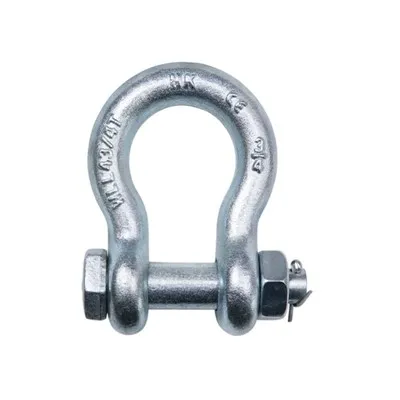
Visual Inspection
The first line of defense in hook inspection is a thorough visual examination. This is a non – destructive and relatively quick process that can reveal a multitude of potential issues.
Cracks and Fractures
Cracks are the most serious defect a hook can have. They can start small, often at stress – concentrated areas such as the throat opening, the bend of the hook, or near the shank. These areas experience high levels of tension and compression during lifting operations, making them prone to crack initiation. A crack can lead to sudden failure of the hook under load, posing a severe risk to personnel and property. To detect cracks, inspectors should use a bright light and look carefully for any fine lines on the surface of the hook. Magnifying glasses can be helpful for identifying very small cracks. If a crack is suspected, more advanced non – destructive testing methods such as magnetic particle inspection or ultrasonic testing may be necessary.
Deformation
Visible deformation of a hook is another red flag. Hooks can deform in several ways, including bending, flattening, or elongation. Bending can occur if the hook is subjected to side loads or if the load is not properly centered. Flattening can result from excessive loads or from drag on the hook during the lifting process. Elongation is often a sign of overloading. Any hook that shows signs of deformation should be removed from service immediately. A simple way to check for deformation is to compare the hook with a known – good hook of the same model or to use a template provided by the hook manufacturer.
Surface Damage
Surface damage, such as abrasions, pits, and corrosion, can weaken the hook’s structure. Abrasions can be caused by contact with rough surfaces during use or storage. Pits are small holes in the surface of the hook, often due to corrosion or the impact of foreign objects. Corrosion, whether it’s rust on steel hooks or oxidation on other metal hooks, can eat away at the material, reducing its strength and integrity. Minor surface damage may be acceptable after proper repair, but significant damage may render the hook unfit for use. For example, if the corrosion has penetrated deeply into the metal, it can compromise the cross – sectional area of the hook, leading to reduced load – carrying capacity.
Wear
Wear is a natural consequence of hook usage. The most common areas of wear are the throat opening and the point of the hook. As the hook is repeatedly engaged and disengaged from the load, these areas experience friction and abrasion. Excessive wear can cause the hook to lose its locking ability or reduce its load – bearing capacity. Manufacturers usually specify a maximum allowable wear for their hooks. This can be measured using a caliper or a wear – gauge. If the wear exceeds the specified limit, the hook should be replaced.
Dimensional Inspection
Accurate dimensions are crucial for the proper functioning of a hook. Even a slight deviation from the specified dimensions can affect the hook’s performance and safety.
Throat Opening
The throat opening is the distance between the point of the hook and the shank. It must be within the manufacturer’s specified tolerance. An enlarged throat opening can cause the hook to slip off the load, while a smaller opening may prevent the hook from properly engaging with the load. Throat opening is typically measured using a caliper or a throat – gauge. Any change in the throat opening that exceeds the allowed tolerance should prompt further investigation or replacement of the hook.
Hook Shank Diameter
The diameter of the hook shank is also an important dimension. It provides the necessary strength to support the load. A reduction in the shank diameter due to wear or damage can weaken the hook. Similar to the throat opening, the shank diameter should be measured regularly using a caliper. If the measured diameter is below the minimum specified value, the hook should be taken out of service.
Hook Bend Radius
The bend radius of the hook affects the distribution of stress within the hook. A proper bend radius ensures that the load is evenly distributed, reducing the risk of stress concentrations and cracking. Deviations from the specified bend radius can be detected by visual inspection or by using a template. Any significant change in the bend radius may indicate internal damage or overloading of the hook.
Functional Inspection
In addition to visual and dimensional inspections, hooks must also be functionally tested to ensure they operate as intended.
Latch Function
Many hooks are equipped with a safety latch to prevent the load from accidentally disengaging. The latch should open and close smoothly and securely. During inspection, the latch mechanism should be tested multiple times to ensure it functions properly. Any sticking, binding, or difficulty in opening or closing the latch is a sign of a problem. The latch should also be able to hold the load in place under normal operating conditions. If the latch fails to function correctly, it should be repaired or replaced.
Swivel Function
Some hooks are designed with a swivel mechanism to allow for easy adjustment of the load. The swivel should rotate freely without any excessive play or binding. A faulty swivel can cause the load to twist or become unbalanced during lifting, increasing the risk of an accident. To test the swivel function, the hook should be rotated manually and observed for smooth operation. If there are any signs of resistance or abnormal movement, the swivel may need to be serviced or replaced.
Documentation and Traceability
Proper documentation is an often – overlooked but essential part of hook inspection. Each hook should have clear markings indicating its manufacturer, model, capacity, and other relevant information. This allows for easy identification and traceability. Inspection records should be maintained for each hook, including the date of inspection, the results of the inspection, and any actions taken (such as repair or replacement). These records not only help in ensuring compliance with safety regulations but also provide valuable information for future inspections and maintenance.
Conclusion

As a supplier in the lifting and rigging industry, I understand the critical role that hooks play in the safety and success of lifting operations. By adhering to strict inspection criteria, we can ensure that the hooks we supply and use are in optimal condition. Regular visual, dimensional, and functional inspections, along with proper documentation, are essential steps in maintaining the integrity of hooks.
Rotation Resistant Wire Rope If you’re in the market for high – quality lifting and rigging equipment, including hooks that meet the highest safety standards, I invite you to reach out to us. Our team of experts is ready to assist you in selecting the right products for your specific needs. We are committed to providing top – notch products and excellent customer service to ensure your lifting operations are as safe and efficient as possible.
References
- ASME B30.10 – Hooks, American Society of Mechanical Engineers
- OSHA Standards for Lifting and Rigging Equipment, Occupational Safety and Health Administration
- Manufacturer’s Instructions and Guidelines for Hook Inspection and Maintenance
Nantong Solite Rope Co., Ltd.
As one of the most professional lifting and rigging manufacturers and suppliers in China, we’re featured by quality products and good price. Please rest assured to wholesale bulk lifting and rigging in stock here and get free sample from our factory. Customized orders are welcome.
Address: Xitong Industrial Park, Zhangzhishan Town, Nantong City, Jiangsu Province.
E-mail: suolitewirerope@gmail.com
WebSite: https://www.solidropeglobals.com/
