Microbial detection is a critical aspect of various industries, ensuring the safety, quality, and compliance of products and environments. As a supplier of microbial detection kits, I’ve witnessed firsthand the diverse and essential applications of these tools. In this blog, I’ll explore the common uses of microbial detection kits across different sectors. Microbial Detection Kits

Food and Beverage Industry
The food and beverage industry relies heavily on microbial detection kits to safeguard consumers from foodborne illnesses. These kits can identify a wide range of microorganisms, including bacteria, yeasts, and molds, which can cause spoilage or serious health issues.
Quality Control and Shelf – Life Monitoring
Manufacturers use microbial detection kits during the production process to monitor the microbial load at various stages. For example, in dairy products, detecting pathogens such as Listeria monocytogenes or Salmonella is crucial. A small amount of contamination can lead to product recalls, which are costly and damaging to a brand’s reputation. By regularly testing raw materials, in – process samples, and finished products, companies can ensure that their products meet the strict quality and safety standards set by regulatory bodies.
Microbial detection kits also play a vital role in determining the shelf – life of food products. Yeasts and molds can cause visible signs of spoilage, such as mold growth on bread or fermentation in juices. By quantifying the microbial population at different time points, manufacturers can accurately predict how long a product will remain safe and of high quality on the shelf.
Hygiene and Sanitation Assessment
In food processing facilities, maintaining a clean and hygienic environment is essential to prevent cross – contamination. Microbial detection kits are used to test surfaces, equipment, and water sources for the presence of harmful microorganisms. Areas such as cutting boards, conveyor belts, and storage tanks are especially prone to microbial growth. Regular testing helps identify areas that need additional cleaning or disinfection, ensuring that the production environment remains safe for food handling.
Pharmaceutical and Biotechnology Industry
In the pharmaceutical and biotechnology sectors, the purity and safety of products are of utmost importance. Microbial detection kits are used to ensure that drugs, vaccines, and biologic products are free from contaminants.
Product Safety and Efficacy
Pharmaceutical companies are required to test their products for microbial contamination at every stage of production, from raw materials to finished dosage forms. Any presence of bacteria, fungi, or viruses in a pharmaceutical product can compromise its safety and efficacy. For example, in injectable medications, even a small number of bacteria can cause serious infections in patients. Microbial detection kits can detect low levels of contamination, allowing companies to take corrective actions before the product reaches the market.
Environmental Monitoring
Biotech and pharmaceutical facilities need to maintain a controlled environment to prevent the introduction of contaminants during the manufacturing process. Microbial detection kits are used to monitor the air, water, and surfaces in cleanrooms, laboratories, and production areas. For instance, by sampling the air in a cleanroom, companies can detect airborne microorganisms and ensure that the environment meets the required cleanliness standards. This is particularly important for the production of sterile products, where even a single microbial particle can be a significant risk.
Water and Environmental Monitoring
Microbial detection is essential for ensuring the safety of water supplies and monitoring environmental health.
Drinking Water Safety
Municipal water treatment plants use microbial detection kits to test the quality of drinking water. Pathogenic microorganisms such as E. coli, Cryptosporidium, and Giardia can contaminate water sources and pose a serious threat to public health. Regular testing helps water utilities detect contamination early and take appropriate measures, such as adjusting the treatment process or issuing boil water advisories if necessary.
Environmental Impact Assessment
In environmental science, microbial detection kits are used to study the health of ecosystems. For example, in aquatic environments, the presence of certain microorganisms can indicate pollution levels or the impact of human activities on water quality. By analyzing water samples from rivers, lakes, and oceans, scientists can assess the ecological status of these environments and develop strategies for conservation and restoration.
Healthcare and Clinical Settings
In healthcare, microbial detection kits are used for diagnosing infections and monitoring the effectiveness of treatment.
Diagnostic Testing
Clinical laboratories use microbial detection kits to identify the causative agents of infections. For example, in cases of respiratory infections, kits can be used to detect bacteria such as Streptococcus pneumoniae or viruses like influenza virus. Rapid and accurate diagnosis is crucial for prescribing the appropriate treatment and reducing the spread of infectious diseases.
Hospital – Acquired Infection Control
Hospitals are at high risk of spreading infections due to the presence of vulnerable patients. Microbial detection kits are used to test surfaces, medical equipment, and patient specimens to prevent and control hospital – acquired infections (HAIs). By identifying the sources of contamination, hospitals can implement effective cleaning and disinfection protocols to reduce the incidence of HAIs.
Agriculture and Animal Husbandry
Microbial detection kits also have important applications in agriculture and animal husbandry.
Crop Protection
In agriculture, these kits can be used to detect plant pathogens, such as bacteria and fungi, which can cause crop diseases. Early detection allows farmers to take preventive measures, such as applying pesticides or adjusting irrigation practices, to protect their crops from damage. This helps to ensure food security and reduce economic losses in the agricultural sector.
Animal Health
In animal husbandry, microbial detection kits are used to diagnose and prevent diseases in livestock. For example, detecting bacteria like Brucella in cattle can help prevent the spread of the disease, which can have significant economic and public health implications. By regularly testing animals, farmers can identify infected individuals and take appropriate quarantine and treatment measures.
Conclusion
Microbial detection kits are indispensable tools across a wide range of industries. From ensuring the safety of the food we eat and the water we drink to protecting public health in healthcare settings and promoting the health of ecosystems, these kits play a crucial role in maintaining high standards of safety, quality, and compliance.
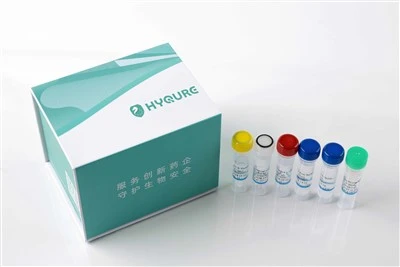
As a supplier of microbial detection kits, I am committed to providing high – quality products that meet the diverse needs of our customers. Our kits are designed to be accurate, reliable, and easy to use, enabling efficient and effective microbial detection. Whether you are in the food industry, pharmaceutical sector, environmental monitoring field, or any other industry that requires microbial detection, we have the right solutions for you.
Safety Detection Kits If you are interested in learning more about our microbial detection kits or would like to discuss your specific requirements, please feel free to reach out to us. We look forward to the opportunity to work with you and help you ensure the safety and quality of your products and environments.
References
- Baron, E. J., & Miller, M. A. (2019). Bailey & Scott’s Diagnostic Microbiology. Elsevier.
- Jay, J. M., Loessner, M. J., & Golden, D. A. (2005). Modern Food Microbiology. Springer.
- Murray, P. R., Rosenthal, K. S., & Pfaller, M. A. (2020). Medical Microbiology. Elsevier.
HyQure Biotech Co., Ltd.
As a professional microbial detection kits enterprise in China and Switzerland, we rely on international compliance standards, leverages excellent quality and technical strength. If you have any enquiry about cooperation, please feel free to email us.
Address: Building 18, Lane 2777 East Jinxiu Road, Pudong New Area, Shanghai 2.Stücki Park Hochbergerstr. 60 I, 4057 Basel Switzerland
E-mail: service@hyqure.com
WebSite: https://www.hyqure.com/
