Hey there, triathlon enthusiasts! I’m a supplier of triathlon handlebars, and I often get asked about the difference between single – piece and multi – piece triathlon handlebars. In this blog, I’ll break it down for you. Triathlon Handlebar
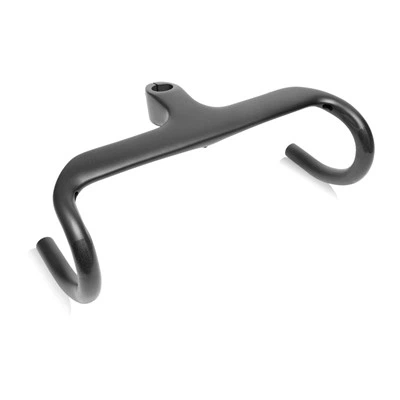
First off, let’s talk about the single – piece triathlon handlebar. As the name suggests, it’s a one – piece design. This means that the base bar, extension, and all the other parts are integrated into a single unit. One of the biggest advantages of a single – piece handlebar is its simplicity. There are fewer components, so there’s less to adjust and less that can go wrong. When you’re out on a long – distance triathlon, the last thing you want is to be fussing around with loose parts. With a single – piece handlebar, you can have peace of mind knowing that it’s a sturdy setup.
In terms of aerodynamics, single – piece handlebars often have an edge. Since they’re designed as a single entity, manufacturers can optimize the shape and profile for maximum speed. The seamless design reduces drag, which is crucial when you’re trying to shave seconds off your race time. They’re like a well – tuned sports car, streamlined and ready to cut through the air.
Installation is also a breeze compared to multi – piece handlebars. You don’t have to worry about aligning multiple parts or making sure everything fits just right. It’s pretty much a straightforward process, and even if you’re not a pro bike mechanic, you can probably get it on your bike without too much hassle.
However, single – piece handlebars aren’t without their drawbacks. One of the biggest limitations is adjustability. Once you have it installed, making significant changes to the position of the extensions or the bar itself can be difficult. You’re kind of stuck with the configuration that the manufacturer designed. This can be a problem if you have a specific body type or riding style that requires a more customized fit.
Now, let’s shift our focus to multi – piece triathlon handlebars. Like I said, they’re made up of several individual components that you put together. This gives you a ton of flexibility in terms of customization. You can mix and match different extensions, pads, and base bars to create a setup that’s perfect for you. Whether you have long arms, short arms, or a unique riding position, a multi – piece handlebar allows you to fine – tune everything to your exact specifications.
Another advantage of multi – piece handlebars is that they’re more budget – friendly in some cases. If you already have a decent base bar, you can just upgrade the extensions or pads as needed instead of buying an entirely new handlebar. This can save you some money, especially if you’re on a tight budget but still want to improve your bike setup.
When it comes to maintenance and replacement, multi – piece handlebars are also easier. If a part breaks, you don’t have to replace the whole handlebar. You can simply swap out the damaged component and keep going. This is great because it extends the lifespan of your handlebar and saves you money in the long run.
But multi – piece handlebars also have their cons. The main one is the complexity of installation. You have to make sure that all the parts are properly aligned and tightened. If you don’t do it right, it can lead to a wobbly or unsafe setup. And because there are more parts, there’s a higher chance of something coming loose during a race or a long ride.
In terms of aerodynamics, multi – piece handlebars might not be as efficient as single – piece ones. The gaps between the individual components can create more drag, which can slow you down. However, with the right design and proper installation, you can still get a pretty good aerodynamic performance.
So, which one should you choose? Well, it really depends on your needs and preferences. If you’re a serious racer who wants the best possible aerodynamics and you don’t mind sacrificing a bit of adjustability, then a single – piece handlebar might be the way to go. On the other hand, if you’re more concerned about customization, budget, and ease of maintenance, a multi – piece handlebar could be a better fit.
As a triathlon handlebar supplier, I’ve seen athletes benefit from both types of handlebars. I’ve had racers who swear by single – piece handlebars because of the speed advantage, and I’ve had athletes who love the multi – piece setup because they can tweak it to their liking.
If you’re still not sure which handlebar is right for you, I’d be more than happy to help. I’ve got years of experience in the industry, and I can offer you personalized advice based on your body type, riding style, and racing goals. Whether you’re a seasoned pro or just starting out in the world of triathlon, having the right handlebar can make a huge difference in your performance.

And if you’re interested in purchasing a triathlon handlebar, we’ve got a wide range of single – piece and multi – piece options to choose from. We work hard to source high – quality handlebars that are both durable and performance – oriented. So, don’t hesitate to reach out to me if you’re thinking about upgrading your bike. Let’s have a chat and find the perfect handlebar for you.
Road Bike Handlebar References:
- Cycling magazines and industry reports discussing triathlon equipment
- Customer feedback and experiences from triathlon athletes who have used different handlebars
Hunan Yecheng Technology Co., Ltd.
We’re well-known as one of the leading triathlon handlebar manufacturers and suppliers in China, also support customized service. Please feel free to buy high quality triathlon handlebar for sale here from our factory. For more information, contact us now.
Address: Changsha, Hunan Province, China.
E-mail: info@rxlsl.com
WebSite: https://www.rxlsl.com/
