As a supplier specializing in Baby and Toddler Products, I’ve sat across from hundreds of new and seasoned parents over the past decade, and one question comes up more often than any other: “How do I pick the right umbrella stroller?” It’s easy to write this off as a trivial choice—after all, umbrella strollers look pretty similar at first glance, right? Fold up small, lightweight, take on trips to the mall or the park. But anyone who’s hauled a squirming toddler, a diaper bag full of snacks, and a rainy jacket through an airport terminal knows that the wrong umbrella stroller can turn a routine outing into a full-blown disaster. I’ve seen it happen: parents whose stroller’s flimsy wheel gave out mid-walk, or who struggled to fold it one-handed while holding a napping baby, or ended up paying for features they’d never use and skipping ones they actually needed. This guide isn’t about pushing a “top pick” with a flashy sales pitch—it’s about the real, practical factors I’ve learned to guide parents through, from a supplier who’s tested these strollers in actual use cases, not just on showroom floors. Baby and Toddler Products
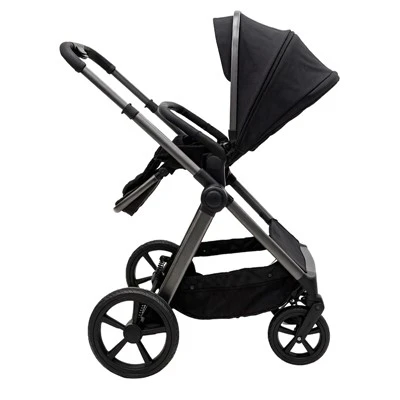
First, let’s ground this in who the umbrella stroller is for. This isn’t a full-time, all-day stroller—we’ve got a line of full-size strollers for that. Umbrella strollers are the workhorses for on-the-go moments: a weekend trip to visit grandparents, a quick run to the grocery store when your little one refuses to walk, a family vacation where you don’t want to haul a bulky stroller, or even a long day at an amusement park where you need something that’s easy to transport between rides. That core purpose means your first step is to define exactly how you’ll use it most. Are you a frequent traveler? Do you live in a city with uneven sidewalks? Do you have a baby who’s already big enough (usually around 6 months, once they can sit unassisted) and might outgrow a car seat attachment anytime soon? Skipping this initial check is like buying a hiking boot for a 5-minute trip to the mailbox—it’s not built for the job you need it for.
Let’s start with the most practical, non-negotiable feature: weight and foldability. This is the whole point of an umbrella stroller, so it’s worth testing this in real time, not just trusting the product specs on a box. A stroller that says it folds up small might still be too bulky to stow in your car’s trunk, especially if you have a compact sedan or already have car seats, coolers, and a bag of soccer gear taking up space. I remember a mom who came to us a year ago, frustrated because she’d bought an umbrella stroller that folded up, but it was so wide she couldn’t fit it in her Honda Civic’s trunk without removing the wheels. She’d bought it thinking “small fold = good fold,” but she didn’t account for how wide it was when folded. One-handed fold is another big one. When you’re juggling a toddler on one hip, a cup of juice in the other, and a diaper bag slung over your shoulder, you can’t pause to fish for a strap or pull a lever with both hands. Our best-selling umbrella stroller has a one-handed, trigger-style fold that locks into place with a single motion—parents tell us this is a game-changer, even when their hands are full. Weight is tied to this too: most high-quality umbrella strollers weigh between 11 and 15 pounds. Anything under 10 pounds is almost always made with super thin, flimsy metal that can’t hold up to regular use, and anything over 17 pounds starts to feel like lifting a small dog when you’re carrying it through a terminal or up a flight of stairs to your apartment. I always tell parents to pick it up in the store if they can—specs lie, but holding a 14-pound stroller that feels balanced in your hand will tell you everything you need to know.
Next up: wheels and maneuverability. This is where a lot of cheap umbrella strollers cut corners, and it shows the second you step off a smooth sidewalk. Small, hard plastic wheels might roll fine on flat mall floors, but try pushing that over a curb, through a patch of grass, or on a gravel path at the park, and you’ll feel every bump jolt up your arms. We once had a customer send a video of her 2-year-old’s sippy cup spilling all over her shirt because the stroller’s wheels hit a tiny crack in the sidewalk—something that would have barely registered in a stroller with rubber-tired or inflatable wheels (though inflatable wheels need occasional air checks, so they’re better for casual use, not if you’re taking this stroller on rough hikes or mountain trails). Maneuverability ties to wheel size too. The front wheels should swivel, not be fixed, so you can turn around a tight store aisle or navigate a crowded amusement park without wrestling the stroller. Look for strollers that have a swivel lock on the front wheels too—so you can lock them straight for long, fast walks, and unlock them for tight turns. The brake is another wheel-related detail you might not think about until it matters. A foot brake that only covers one wheel can slide on a steep driveway or a sloped parking lot. Our strollers have a tandem foot brake that covers both back wheels, so even on slight inclines, the stroller stays put when you need it to (like when you’re unbuckling your kid or tying your shoe). We also test every stroller’s wheels for wobble—any stroller that shakes when you push it across a smooth floor is going to feel unstable, especially if your little one’s leaning side to side or napping.
Comfort and safety are non-negotiable, even in a lightweight stroller. Let’s start with the seat. How long does your little one nap? If they’re going to be in this stroller for 2+ hours at a time (like on a long flight or a day trip to a zoo), a seat that only sits straight up is going to leave them with a sore neck. Look for a stroller with multiple recline positions—at least a half-recline for lounging, and ideally a full flat recline for very young babies, though most umbrella strollers work best once babies can sit upright on their own. The harness is another critical safety point. A 5-point harness is a must for any stroller, not a shoulder harness that only goes across the chest or a 3-point that can slip. A 5-point harness wraps around the shoulders, waist, and legs, so if the stroller hits a bump or stops short, your little one stays secure. I’ve seen too many parents go for the lighter, cheaper stroller with a 3-point harness and end up panicking when their baby almost leaned over the side. The seat material matters too. If you’re taking this stroller to the beach or on a sunny day, a fabric that’s water-resistant and quick-drying is way better than a thick cotton that gets soaked by sweat or a puddle. We use a breathable, stain-resistant polyester for our stroller seats—easy to wipe down when there’s a spilled yogurt or a sticky ice cream drizzle, and it dries in minutes if it gets rained on. Don’t forget the sun shade either. A tiny, 2-inch shade that only covers half your baby’s face is useless. Look for a shade that extends at least 10 inches over the seat, and ideally has a UPF 50+ rating to block harmful UV rays—especially important if you’re traveling to a sunny destination. Some strollers even have a peekaboo window in the shade, so you can check on your napping baby without having to lift the whole shade. That small detail saves so many headaches on long walks.
Storage is a feature that most parents don’t think about until they’re standing in the parking lot, holding a diaper bag, a bag of toys, a juice box, and a sippy cup, with no place to put anything. Umbrella strollers are notorious for having tiny, flimsy storage baskets that can barely hold a pack of wipes, but there are good options out there. First, check where the basket is: a basket that’s positioned low, under the seat, is easier to reach than one that’s tucked behind the backrest. Avoid baskets that get crushed when you fold the stroller—some cheap strollers have baskets that come completely loose when you fold them, so you can’t put anything in them without it falling out. Look for a basket that’s deep enough to hold a standard diaper bag (at least 10 inches deep) and strong enough to hold 10-15 pounds of stuff—you’ll probably be putting snacks, extra clothes, and a blanket in there, so it shouldn’t tear if you load it up. Some strollers even have extra small pockets on the side for your phone or keys, which is a huge bonus when you don’t want to dig through the whole diaper bag for your keys while paying for coffee.
Now, let’s talk about budget, because that’s always a factor. Umbrella strollers range from $20 up to $150, and the difference isn’t just in the brand name. The $20 stroller you see at the big box store might look like a deal, but it’s going to have flimsy metal, small hard wheels, a 3-point harness, and a tiny basket that can barely hold a water bottle. That works for a few casual uses, but it’s not built to last through months of weekly trips, airport runs, and park visits. We find that parents usually get the best value in the $70-$120 range: these strollers have durable aluminum frames, rubber or rubber-tired wheels, a 5-point harness, a decent recline, and a good storage basket. The $150+ strollers are for people who need extra features, like inflatable wheels for hiking, a full recline for newborns, or travel adapters that let you attach a car seat, but if you’re just looking for a reliable daily use umbrella stroller, you don’t need to spend that much. It’s also important to think about how long you’ll use it. Most babies are done with umbrella strollers by age 4 or 5, depending on their size, so if you’re only having one child, you don’t need to buy a stroller that can hold 50 pounds—those extra pounds and heavy frames add cost you don’t need. If you plan to have multiple kids, you can splurge a little more for a stroller that’s durable enough to pass down, but even then, the mid-range options work perfectly for that.
I want to touch on a few common mistakes parents make when choosing an umbrella stroller, because these are avoidable. First, buying it based on looks alone. That bright pink stroller with the fun patterns might look cute, but if it’s 18 pounds, has small plastic wheels, and doesn’t recline at all, it’s going to be a headache, not a joy. Second, not testing the fold in person. We’ve had so many parents come back saying they bought a stroller online that said it folds “one-handed” but requires both hands and a lot of strength to lock. If you can, go to a store, pick it up, fold it, push it around, and sit in the seat (as a test—though obviously not with a baby!) to feel how stable it is. Third, forgetting about after-sales support. Umbrella strollers have small parts: wheels, harness straps, the fold trigger. If one breaks a year from now, do you have access to replacement parts, or do you have to throw the whole stroller away? As a supplier, we offer replacement parts for all our strollers, and that’s something we always tell parents to look for—especially if you’re buying a mid-range or higher stroller. You don’t want to have to replace the whole thing because a wheel broke and there’s no way to fix it.
At the end of the day, the best umbrella stroller is the one that fits your specific life, not the one with the most features or the fanciest brand name. If you travel every month for work, prioritize lightweight weight and compact fold that fits in an airplane overhead bin. If you live in a hilly city with steep sidewalks, prioritize a stable frame and tandem brake. If you have a toddler who hates being confined, prioritize a recline that lets them lounge when they’re in a good mood and sit up straight when they’re not. If you’re on a tight budget but want something reliable, skip the extra features and focus on the basics: 5-point harness, durable wheels, one-handed fold, and a decent storage basket.
For parents who are still unsure what fits their needs, our team is here to help. We’ve worked with thousands of families over the years, and we can walk you through our different lines of umbrella strollers, answer questions about durability, features, and how each one works for different use cases. Whether you’re preparing for your first baby, upgrading your stroller collection, or just need a reliable stroller for upcoming family trips, we’re ready to help you find the right fit for your family. To connect with our procurement or product team to discuss your specific needs, please reach out for a consultation.
Baby Stroller References:
American Academy of Pediatrics. (2021). Stroller Safety for Infants and Young Children. Retrieved from pediatric clinical practice guidelines on child passenger safety and mobility.
Consumer Product Safety Commission. (2022). Nursery Product Safety: Stroller Requirements and Best Practices. Federal regulations for infant and toddler mobility devices.
Juvenile Products Manufacturers Association. (2023). Umbrella Stroller Usage Guide: Selection, Maintenance, and Lifespan Recommendations. Industry best practices for durable baby product design.
Zhongshan Jingao Trading Co., Ltd.
We are one of the most professional baby and toddler products manufacturers and suppliers in China, featured by quality products and good service. Please rest assured to wholesale bulk baby and toddler products in stock here and get free sample from our factory. Customized orders are welcome.
Address: Caosan Zhuwei Industrial Zone, Guzhen Town, Zhongshan City, Guangdong Province
E-mail: kingloek@qq.com
WebSite: https://www.wellbestvip.com/
