If you’ve ever stood in front of the mirror, traced the soft folds along your jawline, or noticed how the skin under your cheeks seems to sag a little lower than it did five or ten years ago, you’re not alone. For many people approaching their 50s and 60s, the subtle shifts in mid-facial volume and shape that come with aging feel far more impactful than the deep lines or neck bands that get more media attention. That’s where a mid-facelift comes in—and as someone who’s spent years supplying the devices and materials that make these procedures safe, effective, and tailored to individual patients, I’ve seen first-hand how this often-overlooked treatment can transform not just a face, but confidence. A lot of patients come to me confused when we discuss mid-facelifts, mixing them up with full facelifts or mini-facelifts. The truth is, it’s a distinct procedure focused specifically on the “middle” third of the face—the area between your lower eyelids and the corners of your mouth, where most of the age-related volume loss and sagging starts. Facelift
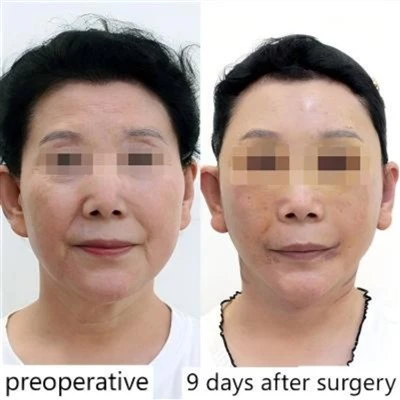
Let’s break down what actually happens during a mid-facelift, because it’s not just “lifting skin” like some of the older, more invasive procedures of the past. Aging in the mid-face isn’t just loose skin. By your 40s, the fat pads that sit high in your cheeks, under your eyes, start to descend. Those plump, high cheeks you had in your 20s? They drop toward your nasolabial folds—the lines that run from your nose to your mouth—turning soft smile lines into deep, etched grooves. The skin and supporting tissues that hold those fat pads in place also lose elasticity, so once they drop, there’s no spring to pull them back up. A full facelift will address the lower face and neck, and a mini-facelift might tighten a small section of the jaw, but a mid-facelift targets exactly that central area, repositioning the misplaced fat and supporting tissue to its original, youthful position, then removing only the excess skin that’s left over after that lift.
Surgical mid-facelifts, which are the most common type, typically use incisions hidden inside your lower eyelids (transcutaneous incisions, just below the lash line) or inside the upper part of your mouth (transoral incisions, along the sides of your upper gums, so no external scars). From there, the surgeon can access the mid-facial layers, pull the sagging soft tissue upward and inward, and suture it in place to the deeper facial muscles for long-term hold. For patients who want less downtime, there are also non-surgical mid-facelift options—threads, injectable fillers, and energy-based treatments like radiofrequency—that create a temporary lift by stimulating collagen or adding volume to replace lost fat. But here’s what I always tell my clients: non-surgical mid-facelifts give subtle results that last 12 to 18 months, while surgical mid-facelifts can deliver results that stay natural for 10 years or more, with a shorter recovery than a full facelift.
As a supplier of mid-facelift tools and materials, I work with plastic surgeons all over the world to make sure they have the products that let them deliver the most consistent, safe outcomes. Ten years ago, a lot of surgeons were using generic sutures or blunt dissection tools for mid-facelifts, which sometimes led to uneven lifting or small nerve injuries. Now, we supply specialized micro-dissection scissors that let surgeons separate the mid-facial tissue layer without damaging the small blood vessels or facial nerves that run through the area—critical for avoiding complications like temporary numbness or a lopsided smile. We also stock long-lasting, absorbable sutures that hold the lifted tissue in place for the first six months, while the body’s own collagen forms new, strong support, eliminating the need for permanent sutures that can leave visible bumps years later. Every product we supply is tested by independent medical boards, because nothing matters more to me than making sure that when a surgeon uses our tools, their patient walks out with a result that looks natural, not pulled tight.
One of the most common myths I hear about mid-facelifts is that they leave patients looking “overdone” or “windswept.” That’s only true if the procedure is overdone, or if a surgeon doesn’t account for a patient’s unique facial anatomy. For example, a patient with a narrow face and high cheekbones doesn’t need the same amount of lift as a patient with a wider, rounder mid-face. We work with surgeons to provide pre-procedure guides that help them map the exact amount of tissue to reposition, so the final result enhances their natural features, not erases them. I saw that firsthand last year when a surgeon client told me about a 52-year-old patient who’d been nervous about a facelift because her sister had gotten one that left her with a frozen look around the cheeks. After a customized mid-facelift, the patient’s nasolabial folds softened, her cheeks lifted just enough to look like she’d had 10 years of great skin care, not a surgical procedure. She told her surgeon it was the first time in years she’d looked in the mirror and felt like herself, not an older version of someone else. That’s why I do what I do—because these procedures can be transformative when done right.
Recovery from a mid-facelift is much shorter than most people expect. The first week is the toughest: you’ll have swelling and bruising, mostly around the cheeks and lower eyes, which fades significantly by day 10. Most patients can return to work or social activities within two weeks, as long as they avoid strenuous exercise that increases blood pressure and swelling. Unlike a full facelift, which can take up to six weeks to feel like yourself again, a mid-facelift lets you get back to your normal routine fast. Patients also don’t have to deal with the tight, pulling sensation that comes with a full facelift, because the lift is localized, not across the entire face. That said, it’s important to follow your surgeon’s post-procedure instructions: sleeping with your head elevated to reduce swelling, using cold compresses, and avoiding anything that puts pressure on the mid-face for the first month.
Now, you might be wondering: is a mid-facelift right for me? The best way to find out is to schedule a consultation with a board-certified plastic surgeon who specializes in facial aging. They’ll look at your specific signs of aging: do your cheeks droop below the level of your pupils? Are your nasolabial folds deep enough that they don’t soften when you smile? Do you notice that the area under your eyes looks hollow or like bags that connect to your cheek sag? If you answered yes to most of these, a mid-facelift is almost certainly a good fit. It’s also ideal for patients who are in generally good health, don’t smoke, and have realistic expectations about the results—meaning you won’t leave looking 20 years younger, you’ll just look like a refreshed version of yourself.
As a supplier in this industry, I’ve built my business on partnering with surgeons, not just selling products. That’s why we also provide post-procedure training for teams, so they can walk patients through what to expect after a mid-facelift, from swelling to final results. We recently developed a series of educational resources for patients, too—articles, video previews, and FAQ guides that break down the procedure in plain language, no medical jargon required. Too often, patients do a quick Google search and find scary stories about facelift complications, when in reality, mid-facelifts have a very low risk of serious side effects, as long as they’re performed by a qualified surgeon using the right tools.
I also want to be clear: a mid-facelift isn’t just for women. Male patients make up nearly 15% of mid-facelift patients now, and the results are just as impactful. Men tend to have thicker skin and more facial hair, so surgeons often adjust the incision placement slightly to accommodate that, but the core procedure—repositioning sagging mid-facial tissue—works just as well for men who want to soften signs of aging without a complete facial overhaul.

If you’re a plastic surgeon or clinic owner looking to refine your mid-facelift procedures, we’d love to discuss how our specialized tools and materials can help you deliver better, more consistent results for your patients. Whether you’re a small private clinic just adding surgical facial procedures, or a large practice expanding your mid-facelift offerings, we can tailor our products to match your needs and training support to help your team feel confident using them. The goal is always the same: to give your patients a natural, refreshed look that makes them feel like their best selves, and we’re here to help you make that happen.
Oral Surgery References
- American Society of Plastic Surgeons. (2023). Facelift Procedures: Patient Guide to Surgical and Non-Surgical Options.
- Rohrich, R. J., & Pessa, J. E. (2019). The Asian mid-face: Anatomy and surgical rejuvenation. Plastic and Reconstructive Surgery, 143(2), 457-466.
- Kim, J. H., et al. (2021). Long-term outcomes of the mid-facelift: A 10-year follow-up study. Aesthetic Surgery Journal, 41(10), 1197-1205.
- American Academy of Facial Plastic and Reconstructive Surgery. (2022). Minimally Invasive Mid-Facelift: Indications and Patient Selection.
- Tonnard, P., et al. (2020). Surgical anatomy of the mid-face: Implications for rejuvenation procedures. Journal of Plastic, Reconstructive & Aesthetic Surgery, 73(5), 927-935.
Yuan Qiang
With over 20 years’ experience, Dr. Yuan Qiang is a professional doctor specializes in comprehensive treatment for facelift. If you have any enquiry about facelift, please feel free to email us. Good service and reasonable price are available.
Address: 602, South Zone, 5th Floor, Building 122, Nanhu Dongyuan, Chaoyang District, Beijing
E-mail: 496864416@qq.com
WebSite: https://www.yuanqiang-doctor.com/
