If you’ve ever ordered a custom PCB assembly for a product that ended up arriving with bent board traces, corroded components, or even a missing part, you know how critical proper packaging is—especially when you’re working with a small to mid-sized electronics team that doesn’t have an in-house logistics department. As a PCB assembly supplier who’s been in this game for over a decade, I’ve seen every packaging mistake in the book, and I’ve also learned exactly what standards work when it comes to protecting delicate bare boards, populated assemblies, and even the tiny, fragile components that go on them. Today, I’m breaking down the non-negotiable packaging requirements we stick to every single time, and why they matter more than you might think. PCB Assembly
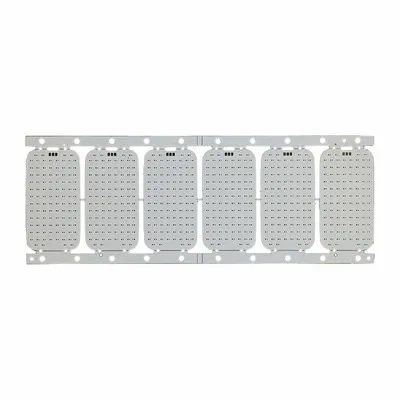
First, let’s start with the two core types of PCB assemblies you’re going to ship: bare PCBs (unpopulated, just the board itself with no soldered parts) and fully populated PCBs (or PCBA for short, with resistors, capacitors, integrated circuits, and all the rest soldered on). Each has wildly different packaging needs, and cutting corners here is a surefire way to end up with a product that’s useless before it even reaches your assembly line. Let’s talk about bare PCBs first, because they’re often underestimated. A blank PCB isn’t just a thin piece of fiberglass and copper—those thin traces you see on the board can bend or crack if they’re pressed too hard, and even a tiny scratch on a trace can turn a $5 board into a paperweight. For bare PCBs, we never use cheap bubble mailers or flimsy cardboard boxes. Instead, we start with individual ESD (electrostatic discharge) safe sleeves for each board. ESD is a big one here: even a tiny static shock, something you might not even feel, can fry a microchip before it’s even soldered, and bare boards can hold a static charge just like any other electronics component. After sleeving, we stack the bare boards in a rigid corrugated cardboard tray that has custom slots cut to fit each board exactly—no shifting, no sliding around during transit. We add a layer of foam between every 5 boards to prevent any friction, and then seal the entire tray in a static-shielding bag that’s impermeable to moisture, too. Moisture is another silent killer for bare PCBs: if they sit in a damp warehouse for a few weeks, the copper traces can oxidize, and that will ruin your ability to solder components later.
Now, when we move to fully populated PCBA, the stakes get even higher. A single SMD (surface-mount device) chip that’s 0402 size—less than a millimeter long—can fall off the board during shipping if it’s not secured properly, or get crushed by the weight of other parts stacked on top. And of course, ESD is still a major concern here: a static shock to a microcontroller on a finished PCBA can kill it instantly, with no way to test for damage after the fact. For small runs of PCBA (say, 1 to 10 boards), we use individual ESD-safe clamshell containers. These are rigid plastic trays with lids that lock tightly, so each board sits in its own slot and can’t rub against the sides. We never stack more than 5 clamshells on top of each other—even a lightweight 10th board can put too much pressure on the ones below, bending the SMD components or lifting them off the solder pads. For larger runs, we use ESD-safe cardboard bins with custom inserts that hold the PCBA upright, not flat. Flat stacking is a no-go here, because the weight of the boards will warp the PCB, which makes it impossible to fit into your final product housing. Upright positioning distributes weight evenly, and we add thin ESD foam dividers between each board to prevent any contact.
Next up, we have specific requirements for packaging specialized components that are shipped with the PCBA. Think of things like BGA (ball grid array) chips, which have tiny solder balls on the bottom that are almost impossible to see, or through-hole components like pins and connectors that can bend during shipping. For BGA chips, we use ESD-safe tape and reel packaging—wait, no, not just any reel: we use the standard 13-inch or 7-inch reels that fit into most pick-and-place machines, which means you don’t have to retape them yourself, saving you time and avoiding mistakes in component placement. We also make sure that the tape is sealed tightly around the reel, so the components don’t fall out, and we add a desiccant packet inside the reel to absorb moisture. For through-hole components, we use anti-static bins with dividers, not loose plastic bags, because loose parts can shift and scratch the PCBA during transit.
Then there’s moisture control, which is a detail that many new PCB assembly customers overlook. Sensitive components, especially those that are moisture-reflowable (MSL rated), can absorb moisture from the air, and when you heat them up during soldering, the moisture turns to steam and causes “popcorning”—small cracks in the component or the solder joint that can lead to failure later. That’s why every time we package a PCBA with high-MSL components, we add a moisture indicator card to the packaging. These cards change color if they’re exposed to too much moisture, so you can tell at a glance if the packaging was compromised during shipping, before you even start assembly. We also seal all packaging in a vacuum-sealed bag with desiccant, and if the components have an even higher MSL rating, we use dry nitrogen packaging to keep moisture levels extremely low during transit and storage.
Another big requirement is labeling. This sounds simple, but bad labeling leads to mix-ups, delayed shipments, and extra work for everyone. We label every package with a unique part number, the quantity of PCBA or components inside, and a barcode that works with standard inventory systems. We also add clear handling instructions: “Do not stack,” “ESD SAFE,” “Fragile: PCBA,” and “Keep dry.” For customers who need traceability—something that’s super important for industries like medical or automotive—we add a lot number and batch code to the label, so you can track every single board back to its production run, in case you ever need to do a recall or identify a manufacturing issue.
Wait, let’s talk about environmental factors too, because packaging has to account for how the package will be shipped. If you’re shipping across the country, the package will be bounced around in delivery trucks, stacked in warehouses, and exposed to temperature swings. That’s why we test all our packaging for vibration and compression. For long-distance shipments, we add extra corrugated cardboard on the outside of the bin, and we use crates for large orders to protect them from being crushed by other packages. We also avoid using any packaging materials that generate static, like regular styrofoam, because even small amounts of static can damage sensitive components. All our outer packaging is made of recycled cardboard, too, which aligns with what most of our customers care about these days—reducing e-waste and being more sustainable.
I can’t tell you how many times a new customer has asked us, “Can you just use whatever packaging you have left?” and it makes me cringe. Last year, we had a startup customer that tried to ship their own PCBA to us for assembly, using regular bubble mailers. Half the boards arrived bent, and three of the BGA chips had loose solder balls, so we had to rework every single one—costing them twice as much as if we’d shipped them properly in the first place. That’s why we always walk through packaging requirements with our customers before we start production, too. If you’re shipping PCBA to us for assembly (yes, we do that too) or shipping the finished product to your customers, we can adjust the packaging to meet your specific needs. For example, if you’re in the medical device industry, we can add extra layers of sterilizable packaging if needed, or if you’re shipping to a remote location that has extreme temperature swings, we can use insulated packaging to keep the boards at a stable temperature.
Let’s also bust a common myth: expensive packaging doesn’t always mean better packaging. We’ve used premium ESD clamshells for years, but for a large run of 500 bare PCBs, we found that custom-cut rigid cardboard trays with ESD inserts work just as well, at a fraction of the cost. What matters is that the packaging meets the exact requirements of the components, not that it’s the most expensive option. For example, a small batch of high-end PCBA for a aerospace project needs the highest level of ESD protection and moisture control, but a small batch of hobbyist PCBA for a prototype can use a simpler, still compliant packaging solution. That’s why we don’t use a one-size-fits-all approach—we work with each customer to tailor the packaging to their product, industry, and budget.

At the end of the day, proper packaging for PCB assembly is about one thing: making sure your boards and components arrive in the same condition they left our facility, so you don’t have to waste time reworking parts, ordering replacements, or dealing with customer complaints down the line. If you’re a procurement manager, design engineer, or startup founder working with a PCB assembly supplier, don’t overlook packaging—ask them exactly what standards they follow, ask to see their packaging materials, and make sure they’re transparent about any testing they do. If you’re looking for a reliable PCB assembly partner that prioritizes proper packaging as much as they prioritize quality soldering and testing, we’re here to help. We’ve worked with customers across industries, from medical devices to consumer electronics, and we’re happy to walk you through every step of the process, including packaging, to make sure your parts arrive on time and in perfect condition. Don’t hesitate to reach out to our team to discuss your specific PCB assembly needs and packaging requirements.
Rigid Flex PCB References:
- IPC-A-610, Acceptability of Electronic Assemblies, Association Connecting Electronics Industries, 2020.
- IPC-J-STD-001, Requirements for Soldered Electrical and Electronic Assemblies, Association Connecting Electronics Industries, 2018.
- “ESD Packaging and Handling Guidelines”, Electrostatic Discharge Association, 2022.
- “Moisture Sensitivity Level (MSL) for Electronic Components”, Joint Electron Device Engineering Council (JEDEC), 2021.
Huaswin Electronics Technology Co., Ltd.
Address: Building A2, Hao Hai Hong Industrial Park, No.3 Yu He Road, Gong He, Sha Jing, Bao An, Shenzhen
E-mail: sales@huaswin.com
WebSite: https://www.huaswin-pcba.com/
