If you’ve ever grabbed a cold soda from a convenience store shelf, a bottle of water on a hike, or a jar of peanut butter that pops open with that familiar “crick” sound, you’ve interacted with PET plastic bottles without even thinking about it. I’ve been supplying PET bottles for over a decade, and one thing I’ve learned is that they’re way more than just a cheap plastic container—they’re the backbone of the modern packaging industry, and their role keeps evolving way faster than most people realize. PET Plastic Bottles

Let’s start with the basics: what even is PET? Short for polyethylene terephthalate, it’s a thermoplastic polymer that got its big break in the 1970s, but it didn’t blow up in packaging until the 1980s when companies realized it was lighter, cheaper, and more versatile than glass or metal for most consumer goods. Back in the day, soda was mostly in glass bottles, which were heavy, easy to break, and a pain to ship. PET changed that: a 2-liter PET bottle weighs just a few ounces, compared to a glass one of the same size that’s nearly two pounds. That cuts shipping costs drastically—trucks can carry way more units without exceeding weight limits, and less fuel is burned moving lighter loads. For brands, that’s a huge win for their bottom line, and for consumers, it means lower prices on the things we buy every day.
But it’s not just about cost. PET’s material properties make it ideal for so many products. It’s shatterproof, which is non-negotiable for things like kids’ drink bottles, sports beverages, and even cleaning products that might get jostled around in a home or a warehouse. It’s also impermeable to moisture and gases—so a bottle of orange juice stays fresh without letting air in, a bottle of oil doesn’t seep out, and carbonated drinks keep their fizz for weeks. We work with a ton of clients in the food and beverage space, and that barrier property is why they’ll never switch back to glass for most of their SKUs. Even personal care brands love it: shampoo, lotion, and skincare products come in PET because it doesn’t react with the chemicals in the formulas, so the product stays safe and the bottle doesn’t degrade over time.
Now, a lot of people have mixed feelings about plastic, and I get it—we’ve all seen the news about plastic waste in oceans, and the push for more sustainable packaging is real. But here’s something most folks don’t know: PET is one of the most recycled plastics on the planet. The numbers vary by country, but in the U.S., for example, around 30% of PET bottles are recycled, and in some European countries, that’s over 50%. That’s way higher than other plastics like PVC or polystyrene. When a PET bottle is recycled, it gets turned into flakes, then processed into resin, and used to make new bottles, or even other things like fleece jackets, carpet, or construction materials. We actually get a lot of our raw material for lower-margin products from recycled PET (rPET) these days, because brands are demanding more sustainable options, and customers are starting to look for packaging that’s not single-use in the long run.
Wait, but let’s be honest—recycling rates aren’t perfect, and we still have work to do to make PET packaging even more circular. That’s where innovation comes in, and I’ve seen so many cool changes in the last few years. A few years back, most PET bottles were made with 100% virgin resin, but now we’re making bottles with up to 100% rPET, and that’s not just for small brands—big names like Coca-Cola and Pepsi have announced goals to use 50% or more rPET in their bottles by 2030. We’ve also been working on lightweighting bottles—making them thinner without sacrificing strength, which cuts down on the amount of plastic used per bottle. A 16-ounce water bottle from 10 years ago might have weighed 14 grams; now it’s down to 9 or 10 grams. Multiply that by billions of bottles, and that’s a huge reduction in plastic waste every year.
Another big role PET plays is in convenience. Think about it: you can buy a 12-ounce water bottle to toss in your gym bag, a 20-ounce soda to take to a party, a 5-gallon bottle for your office water cooler, or even a flexible squeeze bottle for ketchup or mustard. PET can be molded into almost any shape, size, or design—we make everything from tiny 2-ounce sauce bottles to large industrial containers. That versatility means it fits the needs of every type of business, from a local juice shop to a global retail giant. And because it’s moldable, brands can add labels, cap designs, and even custom shapes that help their products stand out on a crowded shelf. I’ve had clients come to me with wild ideas—like a bottle shaped like a fruit for a smoothie brand, or a matte finish for a luxury skincare line—and we can make that happen with PET, which is something glass can’t do as easily or affordably.
Let’s not forget supply chain stability. Post-pandemic, a lot of packaging materials had major shortages—glass was hard to get because of production delays, metal prices spiked, but PET held its own. The global network for producing PET resin is well-established, and because it’s lightweight, it’s easier to transport even when shipping costs are high. For small and medium-sized businesses, that’s a lifeline. If you’re a craft brewery looking to package your new seltzer, you don’t have to invest in expensive glass bottling equipment—we can supply pre-made PET bottles that work with your existing filling line, and the cost is way lower than glass. That’s why so many startups in the food and beverage space start with PET before they scale, which helps new brands get their products to market without breaking the bank.
But here’s the thing I stress to every client I work with: PET’s role isn’t just about being a cheap, versatile container—it’s about adapting to what the industry and consumers need right now. The packaging space is shifting fast, and we’re not just supplying bottles; we’re helping brands meet sustainability goals, reduce their carbon footprint, and stay competitive. We’ve invested in new equipment to make bottles that are easier to recycle—some of our products use caps that are the same resin as the bottle, so they don’t have to be separated during recycling, which makes the process way more efficient. We also work with clients to design packaging that’s right for their product—if a brand has a sensitive food item, we can make a PET bottle with a higher barrier to keep it fresh longer, reducing food waste too. That’s a big one people miss: good packaging reduces waste of the product inside, which is just as important as reducing the packaging itself.
I know there’s a lot of debate about plastic, and I don’t want to act like PET is the perfect solution. But when you compare it to the alternatives, it’s hard to argue against its role. Glass has a higher carbon footprint to produce and ship, and it breaks, leading to more waste and safety issues. Metal is expensive and heavy for small products. Paper? It doesn’t work for liquid products—it gets soggy and doesn’t keep gases out. PET solves so many of those problems. The key is making it as circular as possible—improving recycling rates, using more rPET, reducing the amount of plastic we use in the first place.
Over the years, I’ve seen the packaging industry go from choosing whatever was the cheapest to choosing what works for the product, the consumer, and the planet. PET has been at the center of that shift. When a customer picks up a bottle of water and doesn’t think twice about whether it’s safe, affordable, or good for the environment, that’s PET doing its job. When a brand can launch a product quickly and affordably because the packaging is easy to source, that’s PET supporting small businesses. When we can turn old bottles into new ones, closing the loop, that’s PET living up to its potential.
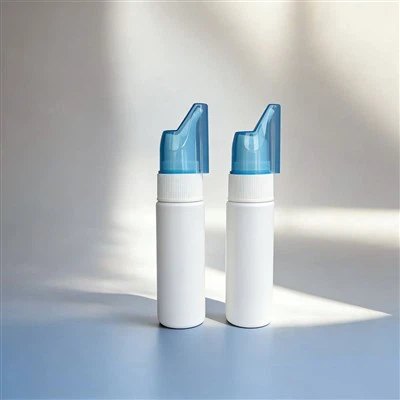
At the end of the day, if you’re in the business of packaging products, whether you’re a startup or a global brand, PET plastic bottles aren’t just an option—they’re a foundational part of how you get your product to your customers. We’ve been supplying PET bottles for years, and we’re always learning, always innovating, to help our clients meet their goals. If you’re looking for a reliable supplier who gets both the practical and the evolving needs of the packaging industry, feel free to reach out to us to talk through your needs, whether you need standard sizes, custom designs, or sustainable options like rPET bottles. It’s time to find the right packaging partner for your business.
PP Bottle References
- European Chemical Industry Council (Cefic). (2023). PET Packaging: Sustainability and Circular Economy Performance.
- U.S. Environmental Protection Agency (EPA). (2022). Plastics: Material-Specific Data.
- Packaging Europe. (2021). The Role of PET in Modern Packaging Solutions.
- American Chemistry Council (ACC). (2023). Recycled PET Market Report.
Taizhou Fuyan Trading Co., Ltd.
As one of the most professional pet plastic bottles manufacturers and suppliers in China, we’re featured by quality products and good service. Please rest assured to wholesale bulk pet plastic bottles in stock here from our factory. Customized orders are welcome.
Address: Lupu Small and Micro Industrial Park, Lupu, Yuhuan City, Zhejiang Province
E-mail: taizhoufuyan@outlook.com
WebSite: https://www.fuyantrading.com/
