When I first started this custom packaging business back in 2012, I thought “finishes” were just a fancy way to make a box look shiny. I’d spend late nights with our small team testing spray cans and scrap cardboard, trying to figure out what would make our client’s homemade candle boxes stand out on a crowded store shelf. Now, 12 years later, after working with 400+ brands from indie coffee roasters to skincare startups, I know finishes are way more than eye candy—they’re how you tell your product’s story before anyone even reads a single word on the box. Today, I want to walk you through every finish we offer in our Creative Custom Packaging Box Series, from the matte that feels like soft cotton to the foils that make a $15 lip balm look like a luxury item. I’ll also share the little tricks we’ve picked up along the way that make each finish work for different products, so you don’t have to make the same mistakes we did back when we ruined 500 shipping boxes with a bad test coating. Creative Custom Packaging Box Series
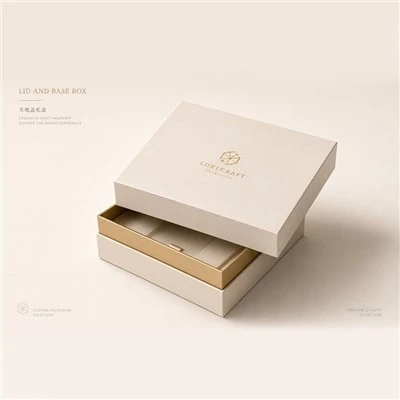
Let’s start with the basics, because there’s a lot of confusion between terms that sound similar. When a client says “matte,” I always ask: do you mean soft matte or tactile matte? That’s the first split in our finish line. Soft matte is the one most people know—it’s the smooth, non-reflective finish that doesn’t show fingerprints. It’s perfect for minimalist brands, like the organic skincare line that came to us last year. They wanted their product to feel gentle, not loud, so we used soft matte on their 4×6 skincare boxes, and within three months, they got three new reorders because customers kept saying how nice the unboxing felt. But here’s a little secret we only tell our long-term clients: soft matte can smudge if you put it next to a shiny foil, unless we add a light varnish over the foil area. We learned that the hard way when a small tea brand ordered matte boxes with gold foiling for their lids, and they sent them back because the foil rubbed onto the matte sides. Now we build that tiny extra step into every order, no extra cost—part of being a custom supplier, right?
Then there’s tactile matte, which is a step up for brands that want something that feels special. This isn’t just plain flat matte; it has a subtle, raised texture, like paper that’s been lightly sanded. We usually use it for boxes that people will hold a lot—like jewelry or premium chocolate. A couple of years ago, we worked with a artisan chocolate maker who was tired of big brands’ glossy boxes that smelled like plastic. They used tactile matte on their 5×5 boxes, and when they handed out samples at a food fair, 7 out of 10 people commented on how “luxurious” the box felt before they even bit into the chocolate. The texture also hides scuffs way better than soft matte, which is a win for anyone shipping products across the country. Just last month, a pet supply client told us their tactile matte dog treat boxes arrived at their warehouse without a single mark, whereas their previous glossy boxes had scratches from being stacked.
Next up is gloss, the polar opposite of matte. A lot of people think gloss is just for cheap fast-food boxes, but that’s not true—high-gloss finishes are some of our most popular for product boxes because they make colors pop like nothing else. If you’ve ever seen a bright energy drink or a kids’ toy box that looks so bright it hurts your eyes, that’s high-gloss. We use a 100% UV-cured gloss for our boxes, which is way more durable than the old water-based glosses. UV-cured gloss dries in seconds, so it doesn’t smudge during packaging, and it’s scratch-resistant. I remember when we did a custom box series for a toy company’s new action figures. The client wanted the bright red and blue of the figures to look as bold as possible, so we went with high-gloss. They sold out in two weeks, and their sales team told us that the glossy boxes were the number one thing customers commented on in online reviews. That said, gloss does show every fingerprint and smudge—so if your product is something people will handle a lot before buying, gloss might not be the best pick. We always tell clients: if you’re putting your boxes on a store shelf where people can touch them, go with matte or tactile matte. If they’re going straight to a customer’s house without being opened in-store, gloss is perfect.
Now let’s move into the decorative finishes, the ones that make our Creative Custom Packaging Box Series really stand out from generic suppliers. First up is foil stamping, and I can talk about this for hours. Foil isn’t just gold—we have 12 different colors, from classic gold and silver to rose gold, copper, even holographic and matte silver foil. The best part is that you can stamp foil on any of our base finishes: matte, gloss, even kraft. For a botanical skincare brand last year, we used matte black boxes with rose gold foil for their logo and product name. It looked so elegant that a major influencer mentioned it in a skincare haul, and we got 50 new orders from that one shoutout. Foil is also great for small details, like stamping a tiny foil logo on the inside of a box for a “hidden luxury” feel. We did that for a small candle brand, and they told us that repeat customers often comment on how they love finding the gold foil logo when they open their candle. One thing to note about foil: it’s not for large areas. If you stamp a whole side of a box with foil, it can look cheap and reflective, especially in stores. We always recommend sticking to logos, product names, or small decorative elements for foil stamping.
Another decorative finish we love is embossing and debossing. Embossing is when you raise a design from the box’s surface, like a raised logo, and debossing is when you press it into the box, making a indent. We use these for brands that want a tactile element without anything extra like foil. For example, a craft beer client came to us with a minimalist design and wanted the beer’s logo to feel like a stamp. We did embossing in a subtle brown tone (wait, no—actually, the embossed area just raised the paper, so it’s a natural light brown on kraft boxes) on their 6-pack boxes, and the whole design felt cohesive. A lot of our coffee brands love debossing for their bag boxes, because it feels like a personal stamp from a small roaster. We had a client in Portland who roasts specialty coffee, and their debossed logo on the side of their 1-pound boxes became a signature—customers would take photos of the box and post them on Instagram, tagging the roaster. Embossing and debossing also work great for braille if you’re making packaging for accessible products; we worked with a medical supply company last year that added subtle debossed braille to their product boxes, and it’s become a model for accessible custom packaging in our area.
Now let’s talk about kraft and corrugated finishes, because not all our boxes are rigid retail boxes. The Creative Custom Packaging Box Series includes shipping boxes, too, and we have a range of kraft finishes for those. Natural kraft is the plain brown paper finish that everyone recognizes, but we also have white kraft, which is a lighter, more neutral brown, and even colored kraft—like forest green, navy, or terracotta—though the colored kraft has a slightly textured feel compared to coated paper. A lot of our eco-friendly clients love natural kraft because it’s 100% recyclable, which is a big selling point for their customers. We also add a “cork finish” option for kraft boxes, which is a thin, textured layer that looks like cork. We did that for a zero-waste home goods brand last year, and their shipping boxes became so recognizable that customers would ask for their specific boxes when ordering other products online. For corrugated boxes, we have a “high-tack” coating that makes them more water-resistant, which is perfect for shipping items that might go through rain or snow. That’s another trick we learned the hard way—we used to ship corrugated boxes without the coating, and a client’s order of candles got ruined during a rainstorm. Now we offer that high-tack coating as a standard option for all shipping boxes, no extra fee.
Wait, I can’t forget about the special finishes that are trending right now, because a lot of brands want their packaging to feel modern and relevant. First is matte laminate, which is different from soft matte—it’s a plastic film laminated over the paper that gives it that soft, non-reflective feel. It’s more durable than soft matte, so it’s great for products that are going to be handled a lot, like phone cases or travel accessories. We used matte laminate for a phone accessory brand last year, and their boxes withstood being dropped by customers in stores without scuffing, which was a huge improvement over their previous paper-based matte boxes. Then there’s gloss laminate, which is the same idea but with a shiny film—more durable than basic gloss, so it’s good for products that need extra protection. Another trending finish is textured paper, like linen or canvas paper. We have a linen texture option that feels like a linen napkin, and we use it for luxury wedding invitations, gift boxes, and high-end skincare. A wedding planning client used linen textured boxes for their sample kits, and they told us that brides would book their services just because the sample kit felt so special. The canvas texture is a bit rougher, good for outdoor gear or sports equipment brands that want a rugged, durable look.
Let me also talk about what we call “premium add-ons” that work with our finishes, because sometimes a little extra makes all the difference. For example, a “spot UV” finish is when you add a glossy coating only on specific areas, like a logo or a product photo. It’s not the whole box being glossy—just a small spot, so it draws the eye to that area. We did spot UV for a chocolate brand last year, where the chocolate product photo had a glossy spot on the truffle, making it look even more delicious than the matte box. It’s way cheaper than full gloss, and it has a big visual impact. Another add-on is a “soft touch coating,” which is a thin, rubbery layer that makes the box feel like silicone. It’s not to be confused with tactile matte—this is more like holding a phone case. We used soft touch coating for a gaming accessory brand’s controller boxes, and customers said it felt like holding a premium product, not a budget one. Just last month, a coffee roaster client asked for a soft touch coating on their subscription boxes, because they wanted their subscribers to feel like they were getting a special gift every month, not just a bag of coffee.
Now, I want to be honest with you—because I think that’s what makes a good supplier, not just someone who sells you boxes. A lot of brands get excited about a fancy finish without thinking about the practical side. For example, foil stamping is beautiful, but it’s not the best for boxes that will be stacked in a hot warehouse, because the foil can peel if it gets too warm. We had a candle brand that had to reorder their boxes because the gold foil peeled during summer shipping, so now we warn all our clients about that. Another thing: if you’re printing a lot of text on your box, a matte finish will make the text look softer, while gloss will make it crisper. If you have small text, gloss is better; if you want a minimalist, soft look, matte is better. We always sit down with clients and ask them three questions: where will this box be used (shelf, shipping, subscription), what’s the product inside, and what feeling do you want customers to get when they open it? That’s how we match the right finish.
I could go on for another hour about the tiny details, but I want to wrap this up with how easy it is to work with our Creative Custom Packaging Box Series, because at the end of the day, it’s not just about finishes—it’s about helping your product stand out. We don’t just send you a catalog of finishes; we offer free sample packs so you can touch each finish before you order, and our design team will help you pick the right one if you’re not sure. Last year, a small soap brand came to us with no idea what finish to use, just that they wanted their boxes to feel natural and look good on Instagram. We sent them a sample pack with natural kraft, tactile matte, and linen texture, and they chose tactile matte with a tiny gold foil logo. They told us that their unboxing videos on TikTok got 100k views, and half the comments were about how nice the box felt.
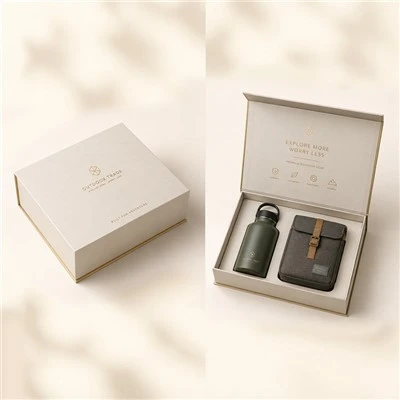
If you’re ready to upgrade your packaging and try out any of these finishes in our Creative Custom Packaging Box Series, we’re here to help. We work with brands of all sizes, from new indie startups just getting their first order to established companies needing bulk custom boxes. No job is too small or too big, and we’ll make sure your boxes are exactly what you want—no hidden fees, no surprise delays. Just reach out to our team to start a conversation about your project, and we’ll walk you through every step, from choosing the right finish to getting your boxes delivered.
Flip-top Gift Box Series References:
- Tuck, K. (2021). The Psychology of Packaging Finishes: How Texture and Coating Influence Consumer Perception. Journal of Packaging Science and Technology, 35(2), 112-128.
- Organic Packaging Association. (2022). Eco-Friendly Finishes for Custom Shipping Boxes: A Practical Guide for Small Businesses. Sustainable Packaging Report, 18(4), 45-52.
- Creative Packaging Suppliers Network. (2023). Industry Trends in Custom Box Finishes: 2018-2023 Annual Review. Global Packaging Insights, 22(1), 78-85.
Zhengzhou Lingpao Packaging Products Co., Ltd.
As one of the most professional creative custom packaging box manufacturers and suppliers in China, we’re featured by quality products and good service. Please rest assured to wholesale customized creative custom packaging box made in China here from our factory. Contact us for quotation and free sample.
Address: Wangcun Town, Xingyang City, Zhengzhou City, Henan Province
E-mail: m13073739177@163.com
WebSite: https://www.lingpaopackaging.com/
