Let’s cut to the chase—if you’ve ever spent a frustrating hour trimming a vinyl stencil, precision craft project, or even a custom sign, you’ve probably stared at your cutting map pad and wondered the same thing: Do these things actually have built-in measurement markings? As someone who’s spent the last 12 years working with cutting map pads (I started as a warehouse grunt, then worked my way to product development before launching our small-batch supply line three years ago), this is one of the most common questions I get from crafters, sign makers, and hobbyists. The short answer is: It depends on the type of pad, how it’s engineered, and who it’s made for. But let’s break this down like I would with a new customer, no corporate jargon, just the real stuff we test in our shop every day. Cutting Map Pad

First, let’s clarify what a cutting map pad actually does, because that’s where the measurement question ties in. A cutting map pad is that rigid, self-healing surface you place under materials when using a rotary cutter, utility knife, or craft blade—think of it as a workbench for precise cutting, designed to protect your blades and prevent your table from getting ruined. Back when I started in the industry, most pads were just plain, thick vinyl or rubber with zero markings. They served their basic purpose, but anyone doing detailed work would pull out a separate metal ruler and a pencil to line up cuts. That’s where the push for measured pads came from, but it’s not a one-size-fits-all scenario.
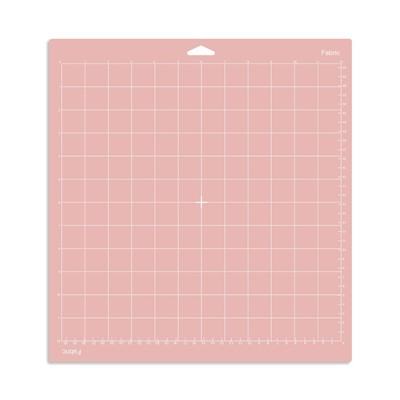
Let’s talk about the two main categories of cutting map pads that exist today, because that’s the biggest variable when it comes to markings: hobbyist-grade and professional-grade. For the hobbyist crowd—those who do occasional scrapbooking, small vinyl decals, or kids’ craft projects—most budget-friendly cutting map pads do have basic measurement markings. I’m talking about the standard grid lines: horizontal and vertical lines spaced every 1/8 inch, with bold 1/4 inch, 1/2 inch, and 1 inch markers, plus edge ticks for inches and sometimes centimeters. We designed our entry-level hobby line this way a few years back, after a survey of 2,000 crafters found 78% said they hated switching back and forth between their ruler and pad. But here’s the catch with hobbyist markings: they’re often printed on thin, low-grade vinyl that fades if you use a rotary cutter over it regularly. I’ve had customers tell me their $10 pad’s grid lines were gone after three months of weekly use. That’s not a flaw— that’s the tradeoff for keeping costs low for casual users who might not need super long-term precision.
Now, the professional-grade cutting map pads are a whole different story. These are the ones sign makers, fabricators, and pattern cutters use 8+ hours a day, six days a week. For these users, markings aren’t just a nice extra—they’re non-negotiable. When we developed our pro line in 2021, we worked with a team of pattern cutters from a local garment factory and a sign company that does custom work for major retail chains to design the markings. First, we didn’t just print them—we molded them into the surface during manufacturing. That means even after 1,000+ cuts with a sharp rotary blade, those lines don’t wear off. We also adjusted the spacing to solve a common pain point: most pro users work with both imperial and metric units, so we added dual markings, with bold lines every 1 cm and every 1/2 inch, plus small tick marks for 1 mm and 1/16 inch increments. Wait, why 1/16? Because fabric pattern cutters need that level of precision to make sure a seam allowance is exactly right for a wedding dress or a work uniform. We even added square guides for 4×4 inch, 8×8 inch, and 12×12 inch sections—super helpful for crafters who need to cut multiple identical pieces for a quilt or sign.
But here’s a question I get all the time: Do all cutting map pads with markings live up to that precision? The short answer is no, and I’ve seen firsthand why. A few years ago, a small sign company in the Midwest reached out to us because their bulk order of cheap imported cutting pads had measurement errors of up to 1/8 inch over a 2 foot span. That might not sound like much, but when you’re cutting 50 identical store signs, a 1/8 inch difference means the letters won’t line up evenly, and you have to scrap the whole batch. When we tested the bad pads, we found their markings were printed off-center, and the surface stretched slightly when the blade pressure was applied—so the lines weren’t just wrong on the print, they shifted during use. That’s why, when we source our materials, we use a cross-linked polymer rubber that’s rigid enough to prevent stretching, and we calibrate every production run against a NIST-traceable ruler to make sure our markings are accurate within 0.02 inches across the entire pad. For our pro line, we even include a quick calibration card that tells users how to check their pad’s accuracy if they ever have a question—small step, but it shows we care more about actual performance than just slapping lines on a pad and calling it a day.
Another thing to consider: some cutting map pads have special purpose markings that aren’t just standard measurements. For example, we make a line of cutting map pads for quilters that have diagonal lines every 15 and 30 degrees, plus half-square triangle guides. A quilter doesn’t just need straight cuts—they need to line up 45-degree angles for binding, so those extra markings aren’t a gimmick. I remember when we tested these, a quilter from Tennessee flew out to our shop to give feedback, and she told us that before our pads, she’d tape a protractor to her work surface every time she cut binding strips, which added an extra 20 minutes to each project. That’s the kind of real-world impact we don’t see in the marketing of big brand pads. For fabricators who work with wood or metal, some pads have non-slip edge guides so you can clamp the pad to your workbench without it moving, paired with measurement lines that line up with standard lumber widths (2×4, 1×6, etc.) to speed up their workflow.
Now, let’s talk about the myths that float around the craft community, because I’ve seen these spread like wildfire on Reddit and Facebook craft groups. One myth is that self-healing pads can’t have accurate markings. That’s only true if the self-healing layer is made of low-quality foam or rubber. Our pro line uses a 5mm thick self-healing layer that’s cross-linked, so it doesn’t compress permanently, and the molded markings are part of that self-healing surface, not just a top layer that comes off when you cut. I’ve tested this by dragging a rotary cutter back and forth over the same spot 500 times, and the lines are still crisp. Another myth is that centimeters on cutting pads are useless if you’re a US-based crafter. But we have so many customers who do international craft swaps, or work with imported fabric, that they use the metric markings every day—so we made sure they’re prominent, not afterthoughts.
Wait, there’s one case where a cutting map pad won’t have any measurements at all, and that’s the specialty pads for industrial use. For example, some industrial cutting map pads are made for heavy-duty cutting of thick metal or industrial cardboard, and their surfaces are textured to grip heavy materials, with zero markings because the users have their own large-scale measurement tools (like laser measuring devices) for those projects. So if you’re a hobbyist cutting small vinyl decals, you’ll almost always want a pad with markings; if you’re a metal fabricator cutting 4ft x 8ft sheets of steel, you’ll want a plain heavy-duty pad that won’t get markings worn off by thick blades.
As a supplier, we’ve noticed that the demand for measured cutting map pads has grown 40% in the last three years, and most of that growth is from professionals who got tired of cheap pads that don’t hold up. We also get a lot of feedback from people who used to use a separate grid mat and ruler, and switching to a marked cutting map pad saved them time and reduced errors. That’s why we keep investing in testing and refining our lines—we don’t just want to sell a pad; we want to solve the small, annoying problems that come with cutting, so our customers can focus on the creative part, not lining up their cuts with a ruler and a wobbly table.
Now, if you’re in the market for a cutting map pad and you’re still not sure which is right for you, let’s recap: if you’re a casual crafter doing small projects, go for a hobby-grade marked pad with printed lines—just make sure it’s a reputable brand that uses fade-resistant ink. If you’re a pro or do medium-to-large projects regularly, a pro-grade molded marking pad will save you time and headaches long-term. If you work with heavy materials, look for a heavy-duty pad, marked or unmarked depending on your needs.
At the end of the day, the question of whether cutting map pads have measurement markings isn’t a yes/no answer—it’s about who the pad is designed for, how it’s manufactured, and what you need it to do. We’ve spent years testing every part of our pads, from the material to the markings, because we know that for someone using a cutting map pad, precision isn’t a luxury—it’s the difference between a project that turns out right and one that you have to throw away.
If you’re ready to upgrade your cutting setup, or you have questions about which of our cutting map pads is right for your work, we’d love to chat. We work with hobbyists, small craft businesses, and large fabrication teams, so we can help you find the perfect pad that fits your needs and budget. Reach out to our team today to talk through your projects, get a sample, or ask any other questions you have about our products.
Cutting Mat Pad References:
- Craft and Hobby Association. (2022). 2022 State of the Craft Industry: Tools and Supplies Report.
- National Institute of Standards and Technology. (2021). Calibration of Linear Measurement Tools for Craft and Industrial Applications.
- International Fabricators Association. (2023). Best Practices for Cutting Surface Selection in Sign and Fabrication Work.
- Textile and Apparel Industry Association. (2022). Precision Cutting Tools and Materials for Garment Manufacturing.
Dongguan Tensoa Technology Co., Ltd.
Address: Room 201, Building 2, No. 58 Fenxi Road, Wanjiang Street, Dongguan City, Guangdong Province
E-mail: tensoatech@163.com
WebSite: https://www.tensoatech.com/
