If you’ve ever dealt with industrial insulation—whether for a boiler, a pipeline, or a high-temperature furnace—you’ve probably heard aluminum silicate thrown around a lot. But when you’re checking specs for a new project or replacing worn insulation, one question comes up more than most: how well does this stuff actually hold up against abrasion? As a supplier who’s been working with aluminum silicate insulation for over a decade, I’ve answered this question hundreds of times, and it’s way more nuanced than “it’s durable” or “it wears out fast.” Let’s break it down straight, no corporate jargon, just what you actually need to know. Aluminum Silicate Insulation
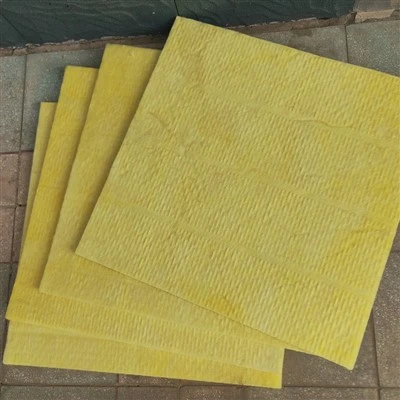
First, let’s ground this in what aluminum silicate insulation even is, because a lot of people mix it up with generic ceramic fiber insulation. Wait, no—actually, aluminum silicate is the main component of most high-temperature ceramic fiber insulation, right? It’s a synthetic material made from alumina and silica, melted down into fibers that are spun or blown into a flexible, wool-like blanket, rigid board, or loose fill. The key here is that the “aluminum silicate” part isn’t just a random filler; its chemical makeup directly ties to how it resists abrasion. But wait, not all aluminum silicate is created equal. There are three main grades people use: low-temperature (up to ~1200°F), standard (1200–2300°F), and high-purity (2300–2600°F). And yes, abrasion resistance changes a ton between these grades.
Abrasion resistance, for anyone who doesn’t know, is just a material’s ability to resist wear from rubbing, scraping, or friction. For insulation, that’s not just from everyday handling during installation, either—there’s operational abrasion too. Think about industrial environments: pipelines carrying abrasive materials (like slurry, cement, or even hot flue gas with fly ash blowing through it), rotating equipment that vibrates and shifts insulation, or even regular maintenance where techs bump, scrape, or drag tools across the insulation surface. None of that is good, and if your insulation wears out too fast, you’re looking at higher energy bills, unplanned downtime, and frequent replacements that kill your budget.
So how does aluminum silicate stack up here? Let’s start with the basics: compared to other common insulation types, like fiberglass or mineral wool, aluminum silicate (especially the high-grade stuff) has way better abrasion resistance. Wait, but let’s not overstate that. Fiberglass will crumble if you so much as brush it too hard, right? It’s meant for low-temperature, non-abrasive environments where you don’t need much structural integrity. Mineral wool is a bit tougher, but at high temperatures, it softens and loses its strength way faster than aluminum silicate. Where aluminum silicate shines is at temps above 1000°F, where other insulation starts to break down. But it’s not indestructible.
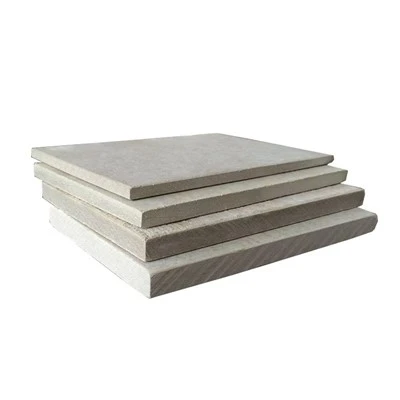
A big factor that most people miss is the density of the aluminum silicate product. Blanket insulation that’s 8 lb/ft³ is way more abrasion-resistant than a 3 lb/ft³ loose fill. Why? Because lower density means thinner, more fragile fibers that break apart easy when rubbed. Higher density products have thicker, interwoven fibers that hold their shape. For example, our 12 lb/ft³ rigid aluminum silicate boards are often used on boiler walls where pipes vibrate nonstop—they don’t rub or flake off even after years of operation, whereas a low-density blanket would turn into a pile of dust in a couple of months. That’s a concrete example I see every day.
Then there’s the surface treatment. A lot of suppliers offer aluminum silicate insulation with a colloidal silica binder or a ceramic coating added to the surface. Wait, what does that do? The binder acts like a glue that holds the fibers together. So if you’re installing insulation in a place where it’s going to get scraped by tools during maintenance, or where dust is blowing across it, a coated product will outperform an uncoated one by a lot. We did a test a couple years back for a pulp and paper mill: they had been using uncoated aluminum silicate on their recovery furnaces, and every year they had to replace 20% of the insulation because of abrasion from fly ash. We supplied them with coated, high-density product, and over two years, they only needed to touch up 5% of the area. That’s the kind of real-world result that matters, not just lab numbers.
But wait, abrasion isn’t just physical friction. There’s also something called “erosive abrasion,” which is when particles in a moving gas or fluid hit the insulation surface over time. For aluminum silicate, this is where the chemical composition comes in. High-purity aluminum silicate (95% alumina, 5% silica) has a higher melting point and harder fibers, so it resists being chipped away by flying particles way better than low-grade aluminum silicate (which is like 50% alumina, 50% silica). The low-grade stuff is cheaper, but if you’re in a high-erosion environment, you’ll end up paying more in replacements than you saved upfront. I see this mistake all the time—people go for the cheapest product, not accounting for abrasion wear.
Now, let’s talk about the lab numbers, because people love to quote those. The standard test for abrasion resistance in insulation is the Taber Abrasion Test, right? It measures how much material wears off after a set number of rubs with a wheel. For reference, a 5 lb/ft³ low-density aluminum silicate blanket loses about 1.5 grams of material after 1000 Taber cycles. A high-density (10 lb/ft³) coated aluminum silicate board only loses 0.2 grams in the same test. Compare that to fiberglass, which loses like 4 grams in the same test, and you can see why aluminum silicate is the go-to for high-abrasion, high-temp jobs. But wait, Taber tests are lab conditions—real life is way messier. Vibration, temperature swings, exposure to moisture (which can make fibers clump and break easier)—all that can lower abrasion resistance. So if you’re looking at a product, don’t just go by the lab number; ask about how it performs in your specific environment.
Another common question: does abrasion resistance change with temperature? Yep, that’s a big one. At room temp, aluminum silicate is super tough, but when it gets up near its maximum use temp, the fibers start to soften, and abrasion resistance drops. For example, standard aluminum silicate is rated to 2300°F, but at that temp, its abrasion resistance is about half what it is at 1000°F. So if you’re running equipment at max temp, you need to account for that extra wear, maybe go with a thicker product or a higher density. We always recommend that to our clients—don’t buy a product for its top temp rating and expect it to have the same durability at that temp as it does at lower temps.
Now, let’s get to the practical stuff you can use. If you’re trying to pick aluminum silicate insulation for a job where abrasion is a concern, here’s what to look for: first, match the grade to your temp. If you’re under 1200°F, standard grade is fine, but if you’re over 2000°F, go with high-purity. Second, go for higher density—for blankets, at least 8 lb/ft³, for boards, 10 lb/ft³ minimum. Third, get a coated or binder-treated product if there’s going to be regular maintenance or particle erosion. And don’t forget to consider installation—how you handle the insulation during install, how you seal joints, all that affects long-term abrasion resistance. Even the best insulation will wear out fast if you’re dropping it or leaving gaps that cause vibration.
Wait, I should also address a common myth: a lot of people think that all aluminum silicate insulation is non-abrasive to the touch, but that’s not true. The loose fill kind, for example, is made of tiny fine fibers that can irritate your skin, but that’s not abrasion resistance. Wait, no—wait, no, I’m mixing that up. Some loose fill insulation is prone to blowing away if there’s air flow, which is a form of erosion. So if you’re using loose fill in a duct with moving air, you need to wrap it in a mesh or a fabric facing to hold it in place, otherwise it will wear away super fast. That’s another point I see missed all the time.
Let me share a recent example to make this real. A steel mill reached out to us last quarter—they had a blast furnace pipeline that was insulated with another brand’s low-density aluminum silicate. After 18 months, half the insulation was gone, worn away by iron ore particles blowing through the line. We supplied them with our high-density, coated high-purity aluminum silicate boards, and they reported back six months later that there was zero visible wear. That’s the difference between knowing what you’re looking for and just buying the cheapest option.
At the end of the day, aluminum silicate’s abrasion resistance is its biggest selling point for industrial insulation, but it’s not one-size-fits-all. It depends on grade, density, surface treatment, and your specific operating conditions. If you’re not sure what you need, don’t guess—reach out to a supplier who knows their stuff, because picking the wrong product can lead to way more headaches and costs down the line.
If you’re currently looking for insulation that can hold up to abrasion in your facility, we can help you spec the right product, run quick field tests, or answer any questions you have about performance. Just reach out to our team to discuss your project needs and get a customized solution.
Fire Rated Duct Wrap References
- ASTM C1552, Standard Test Method for Abrasion Resistance of Ceramic Fiber Insulation
- Industrial Insulation Association, “Performance Characteristics of High-Temperature Insulation Materials” (2022)
- Thermal Spray Technology Journal, “Erosive Wear of High-Temperature Insulations in Fluidized Bed Applications” (2021)
- Manufacturer’s Data Sheet: Aluminum Silicate Insulation Grades and Performance Properties, Our Company Internal Technical Document (2023)
Langfang Yafeng Energy-Saving Technology Co., Ltd.
As one of the most professional aluminum silicate insulation manufacturers and suppliers in China, we’re featured by quality products and good price. Please rest assured to buy bulk premium aluminum silicate insulation for sale here from our factory. Welcome to view our website for more information.
Address: Langfang Xinyafeng, Liugezhuang Town, Dacheng County, Langfang City, Hebei Province
E-mail: yafengbaowen@gmail.com
WebSite: https://www.xyfinsulation.com/
