When I first started my career in the special doors industry a decade ago, I’ll admit I was skeptical about sliding special doors. Back then, I saw them as a niche product—something for narrow commercial hallways or small storage closets where swing doors wouldn’t fit. Today, though, I sell sliding special doors to a huge range of clients: hospitals, warehouses, office buildings, even residential properties with accessibility needs. The shift didn’t happen by accident; it’s rooted in real, tangible benefits that solve problems traditional swinging doors can’t. Special Doors
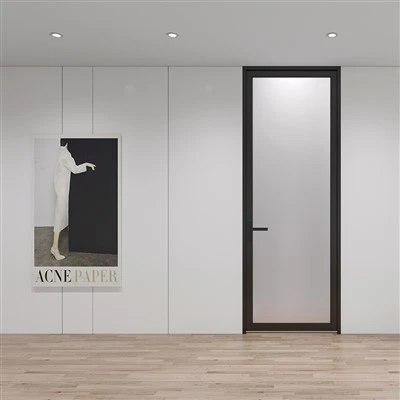
I want to talk about what makes sliding special doors a game-changer, especially for businesses and organizations that rely on doors to keep operations smooth, safe, and accessible. Let’s start with the most obvious advantage, but one that’s often overlooked: space. A standard swing door needs a clear arc of space around it to open fully. In a busy hospital emergency department, that’s space that’s needed for stretchers, wheelchairs, and medical staff moving quickly. A warehouse aisle crammed with inventory can’t spare three feet on either side of a door for it to swing open. Sliding doors, though, glide parallel to the wall or inside a wall cavity—they don’t take up that extra floor space. Last year, I worked with a small urgent care clinic that was renovating their triage area. They wanted to add private exam rooms but had no room for swing doors. We installed sliding special doors that fit flush against the wall when open, adding 12 square feet of usable space per room. Those extra feet made a huge difference for patients who needed privacy and staff who could move through the area without ducking or navigating around a swinging door.
Space efficiency isn’t just about adding room—it’s also about improving workflow. For businesses that handle high volumes of people or goods, every second counts. Swinging doors force people to pause, push or pull the door, wait for it to clear, and keep moving. Sliding doors open instantly with the push of a button or a wave of a hand (we install motion sensors as a standard add-on for most commercial clients), so traffic flows without interruption. I saw this firsthand with a grocery store distribution center we equipped last year. They had a loading dock area where fork trucks were moving pallets nonstop. Swinging doors were causing bottlenecks—forklift drivers often had to stop, back up, or wait for someone to hold the door open. Our sliding special doors cut the time it took for a forklift to move between the dock and the store floor by almost 70%, according to their operations manager. That’s not just a small improvement; it translated to loading an extra 15 pallets per day, which added up to thousands of dollars in saved labor and time over the course of a month.
Next on the list: safety and hygiene. This is a big one, especially post-pandemic, when clients started prioritizing surfaces that don’t need to be touched. Traditional swing doors rely on hand contact to open, which means they’re a hotspot for germs. Sliding special doors, especially the automated ones we supply, can be activated via motion sensors, foot pedals, or even voice commands—no hands required. For hospitals and food processing facilities, this is non-negotiable. A few years back, a local hospital’s infection control team reached out to us because their swing doors were showing high levels of bacteria swabs. We replaced those with our antimicrobial-coated sliding doors, and within a month, their door surface germ levels dropped by 90%, according to their internal tests. Beyond hygiene, sliding doors are safer in areas with heavy foot traffic or large equipment. They don’t swing outward, which means there’s no risk of them hitting someone who’s walking past. They also don’t swing inward into a hallway, which prevents accidental collisions in crowded spaces. We installed sliding doors in a high school cafeteria last year—swinging doors had caused minor injuries from students running into them before. The sliding doors eliminated that risk entirely, and the staff reported far fewer close calls during lunch periods.
Durability is another advantage that sets sliding special doors apart. I think people underestimate how much wear and tear doors take, especially in commercial or industrial settings. Swing doors have hinges that pivot constantly, and the door itself is pulled or pushed repeatedly, often with force from heavy items like pallets or wheelchairs. Sliding doors, on the other hand, glide on a track system that’s designed for consistent use. Our sliding doors use heavy-duty aluminum tracks and roller assemblies that can withstand thousands of openings and closures without wearing out. Last year, a manufacturing plant told me their old swing doors needed to be replaced every 18 months because the hinges broke and the door warped from being slammed. The sliding doors we installed two years ago are still working perfectly—no repairs needed, no warping, no sticking. For businesses, that means lower maintenance costs and fewer disruptions from door failures. It also translates to a longer lifespan for the door itself. Our sliding special doors are built to last 10 to 15 years with regular maintenance, compared to 5 to 7 years for a standard commercial swing door. That’s a big saving over time, especially for large facilities with dozens of doors to replace.
Accessibility is a benefit that’s close to my heart, because I’ve seen first-hand how doors can either enable or disable people with mobility challenges. Swing doors require a certain amount of force to open—something that can be hard for people with arthritis, muscle weakness, or who use wheelchairs. Sliding doors, especially automated ones, are operated with minimal effort. A wheelchair user only needs to approach the door, and it opens automatically, no pushing, pulling, or waiting for someone to assist. We worked with a residential building last year that was updating their common areas to be ADA-compliant. They had a resident in a wheelchair who couldn’t use the old swing doors because they required too much strength. Replacing them with sliding special doors made the entire building accessible for her, and the property manager told us it was one of the most requested updates from their residents. Accessibility isn’t just a nice-to-have—it’s a legal requirement in many places, but it’s also a way to make spaces inclusive for everyone. Sliding doors make that possible without sacrificing style or space.
Another underrated benefit: noise reduction. In busy environments like offices, hospitals, or apartment buildings, noise can be a major issue. Swinging doors can rattle and create noise when they’re opened or closed, especially if they’re not properly sealed. Sliding special doors, when installed with weatherstripping and sound-dampening materials, create a tighter seal against the frame. That means less noise from hallways, parking garages, or outside seeping into private rooms. A law firm we equipped a couple of years ago had a problem with their conference rooms—noise from the main office area made it hard for clients to concentrate during meetings. We installed acoustic-rated sliding doors for their conference rooms, and the firm’s operations director said the noise level dropped by about 50%. Lawyers could hold meetings without raising their voices, and clients didn’t report being distracted by office chatter. For hospitals, this is even more critical—patients need quiet to rest and recover. Sliding doors help create a more peaceful environment by blocking out noise from busy hallways and emergency areas.
I know some people might think sliding special doors are more expensive upfront than swing doors. It’s true—there’s a slight initial cost for the track and automated systems. But when you factor in the long-term savings: lower maintenance, longer lifespan, space that can be used for revenue-generating activities, and fewer disruptions to workflow, the cost difference evens out quickly. For example, the urgent care clinic I mentioned earlier—they spent a bit more on sliding doors, but they were able to add an extra exam room, which generates $1,200 per day in patient fees. That means they earned back the extra cost in less than two weeks. It’s not a huge gap, but for small businesses and non-profits, that kind of return on investment is meaningful.
At the end of the day, sliding special doors aren’t just a trend—they’re a practical solution that solves real problems for the clients I work with. Whether it’s saving space, improving hygiene, making spaces accessible, or reducing noise, they offer benefits that traditional swing doors can’t match. I’ve seen how a good door can transform a space, and I’m proud to sell a product that makes workplaces safer, more efficient, and more inclusive.

If you’re considering updating your doors, whether for a small business, a large warehouse, a residential building, or a healthcare facility, I’d be happy to chat through your needs. We can go over options, talk about the benefits that would work best for your space, and help you find the right sliding special doors for your project. Don’t hesitate to reach out to start the conversation.
Outdoor Products References
- National Institute of Building Sciences. (2022). Space Efficiency in Commercial Buildings: A Comparative Analysis of Door Systems.
- Centers for Disease Control and Prevention. (2021). Hygiene Solutions for High-Traffic Healthcare Facilities.
- Occupational Safety and Health Administration. (2020). Workplace Safety: Hazard Mitigation for Door Systems.
- American National Standards Institute. (2019). Accessibility Standards for Commercial Buildings.
- Institute of Noise Control Engineering. (2022). Acoustic Performance of Commercial Door Assemblies.
Foshan Hoview Windows and Doors Co., Ltd.
Foshan Hoview Windows and Doors Co., Ltd. is one of the most professional special doors manufacturers and suppliers in China. Please feel free to buy durable special doors in stock here and get quotation from our factory. All customized products are with high quality and competitive price.
Address: No. 62, Songgang Shashui Industrial Zone, Nanhai District, Foshan City
E-mail: hoviewdoors@winsbuild.com
WebSite: https://www.hoviewwindows.com/
