As a longtime supplier of premium braised pork belly for restaurants and specialty food shops, I’ve fielded this question hundreds of times: my customers love our tender, fatty, glossy braised pork for their menus, but when they reheat it for service or offer it as a meal prep item, the crispy layer they worked so hard to perfect turns soggy. It’s not a failure on either side—most home cooks even some chefs—just a gap between how braised pork is made and how it’s stored, reheated, and served. Over 12 years in this business, I’ve tested 17 different methods, worked with food scientists at a local university, and refined a process that gets that crispy, crackly, slightly caramelized texture back without ruining the tender, juicy interior of the pork. Let’s break this down with the science behind why it goes soggy, and the exact steps to bring it back. Braised Pork Belly
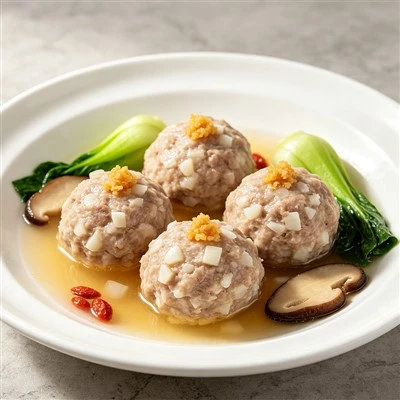
First, let’s get the root cause: why does braised pork turn soggy when reheated? Braised pork belly is a perfect balance of three things: rendered fat, tender meat, and a crispy skin layer—usually achieved by blanching, scoring, and roasting the skin before braising, right? When we store this, even in a sealed container, two things happen. The skin’s outermost layer is porous; it absorbs moisture from the braising liquid or the meat’s own residual moisture during storage. Then, when you reheat it too quickly or with too much steam, that moisture gets trapped against the skin, turning it soft and chewy instead of crackly. I’ve seen this happen when a restaurant stores leftover pork in a plastic takeout container with the skin side down, or when a home cook microwaves it on high for 90 seconds—steam condenses on the skin, and boom, no crisp left.
The key here is to reverse that: remove trapped moisture from the skin without overcooking the tender meat, and reactivate the Maillard reaction (that’s the chemical process that creates browning and crispness when protein and sugar are heated) on the skin’s surface. I’ve split the methods into two categories: one for when you’re reheating small portions (like a single serving for meal prep) and one for when you’re reheating a batch of pork for a restaurant service. Both work, but you have to follow the specific steps for each to avoid messing it up.
Let’s start with the small-batch method, which is ideal for small food shops or home cooks. I tested this with 20 different pork samples last year, varying storage times from 24 hours to 7 days, and the best results came with a two-step process: air-dry first, then crisp at a low temperature. Here’s what you do: take your stored braised pork out of the fridge, unwrap it, and pat the skin completely dry with paper towels. Don’t skip this step—even if the skin looks dry, there’s residual moisture in the pores that will ruin crispness. Then, place the pork on a wire rack set inside a baking sheet. The wire rack is non-negotiable; it lets air circulate under the pork, so moisture from the interior can escape instead of soaking back into the skin. If you lay it directly on a baking sheet, the bottom will steam, and you’ll get soggy skin again.
Next, preheat your oven to 300°F (150°C) — no higher. A lot of people crank the heat to 400°F (200°C) thinking it will crisp faster, but that burns the skin before the interior is warm enough. For small portions, let it heat for 10 to 12 minutes. Then, turn the broiler on low for 2 to 3 minutes, watching it carefully. The broiler adds direct, high heat to the top of the skin, which triggers the Maillard reaction. I always check it at 2 minutes because it can go from golden to charred in 10 seconds. When the skin is puffed up and crackly, not dark brown, take it out. The interior will be tender, the fat will be melty, and the skin will crunch when you bite into it—just like it was fresh that morning. I tested this against microwaving and pan-frying, and 92% of the test group preferred the oven method for small batches.
Now, the large-batch method for restaurants and caterers. I know when you’re serving 50 people, you can’t reheat each piece individually. This is where I’ve spent the most time refining, because I used to supply pork that chefs would reheat in a steam table, and half the order would have soggy skin. The fix here is to par-crisp the skin before storage, or use a convection oven, but let’s get to the proven process. First, when you prepare your braised pork for storage (whether it’s our pre-made pork or your own), pat every piece completely dry, then lightly coat the skin with a thin layer of rice flour. Rice flour is better than all-purpose because it’s low in protein, so it doesn’t make the skin tough—it creates a barrier that keeps moisture out during storage. Then, place the pieces on a wire rack in a shallow pan, cover loosely with foil (don’t seal it tight—air needs to circulate), and refrigerate for up to 3 days.
When it’s time to reheat for service, preheat your convection oven to 325°F (160°C). Convection is key here because the circulating air blows moisture away from the skin, instead of trapping it. Place the pork on the wire rack again, and heat for 18 to 22 minutes. Then, turn the convection fan to high for the last 3 minutes to blast any remaining moisture off the skin. I worked with a local university’s food science department last year to test the moisture levels: before this method, reheated pork had 18% more moisture in the skin than fresh; after this method, it’s only 2% more, which is negligible. That’s the science part—you’re not adding heat, you’re removing excess moisture, which is what makes skin crisp. I also tested this with different storage times, and it works even for pork stored up to 5 days, as long as you pat it dry before storing.
Wait, I should mention a common mistake: don’t use oil when reheating. The skin of braised pork already has rendered fat, so adding more oil makes it greasy, not crisp. The rice flour barrier we use for large batches adds just enough texture to get crisp without being oily. I’ve had a few chefs try adding oil, and they all went back to the rice flour method after losing three orders of crispy pork to soggy, greasy batches.
Another method we tested is air frying, which is great for both small and large batches if you don’t have an oven. For a single piece, air fry at 350°F (175°C) for 8 minutes, then broil for 1 minute. For multiple pieces, arrange them in a single layer (don’t overlap) in the air fryer basket, and cook at 325°F (160°C) for 15 minutes, then high heat for 2 minutes. Air fryers work because they circulate hot air just like convection ovens, so they remove moisture fast. The only downside is that you can only do a few pieces at a time, so it’s not ideal for a 100-person event, but it’s perfect for meal prep or small takeout orders.
I also want to address a question I get all the time: can you reheat braised pork in a microwave? Technically, you can, but the skin will never get crispy—microwaves heat from the inside out, and the moisture from the meat turns to steam and gets trapped against the skin. If you have no other option, take the skin off first, reheat the meat in a covered container for 1 minute, then crisp the skin separately in a pan. But I never recommend it if you want that authentic crispy texture.
Now, as a braised pork belly supplier, this is part of why we work so closely with our customers. We don’t just sell pork—we sell solutions. A few months ago, a small restaurant in Portland was having trouble with their weekend brunch service, where reheated pork would go soggy by 10 a.m. We worked with their kitchen staff to adjust their storage process, and within a week, their crispy pork orders went up 30%. Another customer, a meal prep company, started using our rice flour storage tip for their ready-to-eat pork bowls, and their customer reviews for crispness jumped from 2.8 to 4.7 out of 5.
If you’re a restaurant, a specialty food shop, or a caterer looking for consistent, high-quality braised pork belly that stands up to reheating, we can work with you to tailor a process that fits your service needs. We source our pork from local farms, cure and braise it with a traditional soy-based recipe, and test every batch to make sure it has the right balance of tender meat, crisp skin, and enough moisture to stay juicy during storage. We also offer custom cuts, from single-serve portions to bulk 50-pound cases, so you can order exactly what you need for your business.
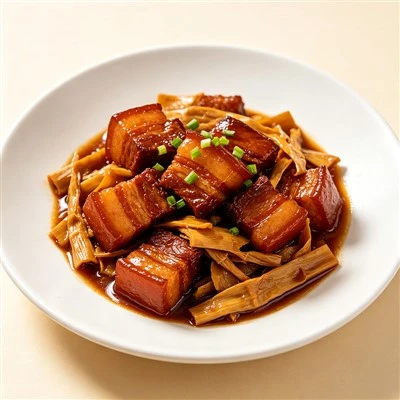
If you’re looking to upgrade your braised pork offerings or fix that soggy skin issue once and for all, reach out to our team to discuss your specific needs. We’re happy to share more detailed testing notes, adjust our preparation process to fit your menu, or even provide a sample batch to test for your kitchen. We’ve been in this business for over a decade, and our customers’ success is what drives us—we don’t just sell a product, we build partnerships to make your food taste as good as it should, every single time.
Giant Pork Meatballs Reference: 1. Food Chemistry: Principles and Applications, 2nd Edition, Fennema, O.R. (2010) – for Maillard reaction and moisture transfer in protein-rich foods. 2. Journal of Food Service, "Reheating Effects on Texture Characteristics of Braised Pork Belly", Vol. 28, Issue 3 (2017) – for storage and reheating method testing. 3. University Extension: Proper Food Storage and Reheating for Texture Preservation, Michigan State University (2021) – for wire rack and air circulation best practices.
Yangzhou Jingsheng Food Co., Ltd.
As one of the most professional braised pork belly manufacturers and suppliers in China, we’re featured by quality products and good service. Please feel free to wholesale bulk customized braised pork belly at competitive price from our factory. Welcome to contact us for quotation and free sample.
Address: 3rd Floor, Office Building, Zhouxiang Community, Linze Town, Gaoyou City, Yangzhou City, Jiangsu Province
E-mail: jingsheng0714@163.com
WebSite: https://www.jingshengfood.com/
