When it comes to the manufacturing of Type A FIBC (Flexible Intermediate Bulk Container) bags, understanding the materials used is crucial. As a dedicated supplier of Type A FIBC bags, I have witnessed firsthand the importance of high – quality materials in ensuring the performance and safety of these essential industrial products. Type A Fibc Bags
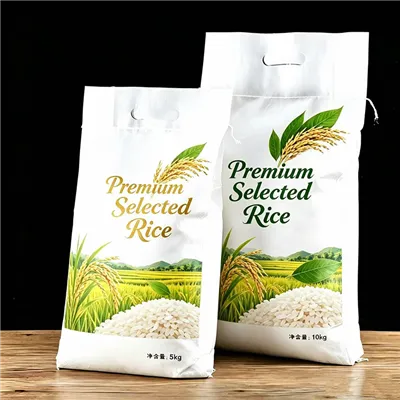
Polypropylene: The Foundation Material
Polypropylene is the cornerstone of Type A FIBC bags. It is a thermoplastic polymer that offers a unique combination of properties that make it ideal for FIBC production.
One of the key advantages of polypropylene is its high strength – to – weight ratio. This means that FIBC bags made from polypropylene can hold a significant amount of material without being overly heavy themselves. For example, a standard Type A FIBC bag can safely hold up to several tons of bulk materials such as grains, chemicals, or minerals, yet the bag itself remains relatively lightweight, making it easy to handle and transport.
Polypropylene is also highly resistant to moisture. Unlike some other materials that can absorb water, causing the contents of the bag to deteriorate or the bag itself to weaken, polypropylene repels water. This moisture resistance is especially important when storing or transporting materials that are sensitive to humidity, such as powdery chemicals or certain food products.
In addition, polypropylene has excellent chemical resistance. It can withstand exposure to a wide range of chemicals without degrading, which is essential when dealing with industrial applications where the bags may come into contact with various substances. For instance, in the chemical industry, Type A FIBC bags made from polypropylene can safely store and transport acids, alkalis, and solvents.
Woven Polypropylene Fabric
The polypropylene used in Type A FIBC bags is typically in the form of a woven fabric. Woven polypropylene fabric is created by interlacing polypropylene threads in a specific pattern.
The weaving process gives the fabric additional strength and stability. The interlaced threads distribute the stress evenly across the fabric, enabling the bag to withstand the forces exerted when it is filled, lifted, and moved. There are different types of weaving patterns available, such as plain weave, twill weave, and leno weave, each with its own characteristics. Plain weave, for example, is the simplest and most common pattern, offering a good balance of strength and cost – effectiveness.
The weight and thickness of the woven polypropylene fabric can also vary depending on the intended use of the FIBC bag. For lighter – duty applications, a thinner and lighter fabric may be sufficient, while for heavy – duty use, a thicker and more robust fabric is required. As a supplier, we carefully select the appropriate fabric weight based on the customer’s specific requirements, ensuring that the bag meets or exceeds the necessary strength and durability standards.
Coating and Laminating Materials
In some cases, Type A FIBC bags may require additional protection or functionality, which can be achieved through coating or laminating the woven polypropylene fabric.
Coatings can provide a range of benefits. For example, a polyethylene coating can enhance the bag’s moisture resistance even further. It creates an additional barrier that prevents water from seeping through the fabric, making the bag more suitable for outdoor storage or transportation in wet conditions. A coating can also improve the bag’s resistance to abrasion, reducing the risk of damage during handling and transport.
Laminating involves bonding a layer of another material, such as polyethylene film, to the woven polypropylene fabric. Laminated FIBC bags offer enhanced protection against dust and contaminants. The film layer acts as a seal, preventing fine particles from escaping or entering the bag. This is particularly important in industries where product purity is critical, such as the pharmaceutical or food industries.
Threads and Sewing Materials
The threads used to sew Type A FIBC bags are also an important consideration. Polypropylene threads are commonly used due to their compatibility with the polypropylene fabric. They have similar mechanical properties, such as strength and flexibility, which ensures that the seams of the bag are as strong as the fabric itself.
The quality of the sewing is crucial for the overall integrity of the bag. High – quality sewing machines and skilled operators are used to create strong and durable seams. Reinforced seams are often employed at stress points, such as the corners of the bag, to prevent the bag from tearing open under heavy loads.
Accessories
Type A FIBC bags often come with various accessories, and the materials used for these accessories also play an important role.
For example, lifting loops are essential for lifting and transporting the bags. They are typically made from strong polypropylene webbing. The webbing is designed to withstand the forces exerted during lifting and should be able to support the weight of the filled bag without breaking.
Discharge spouts are another common accessory. They are usually made from the same woven polypropylene fabric as the bag or a similar material. The spout allows for easy and controlled discharge of the contents of the bag. It may be equipped with a closure mechanism, such as a drawstring or a zipper, which is made from materials that are resistant to corrosion and wear.
Safety Considerations in Material Selection
As a supplier of Type A FIBC bags, safety is our top priority. All the materials used in the manufacturing of our bags must meet strict safety standards.
We source our polypropylene from reliable suppliers who adhere to high – quality control measures. The materials are tested for strength, chemical resistance, and other properties to ensure that they are suitable for use in FIBC bags. For example, the polypropylene fabric must pass tests for tensile strength, tear resistance, and UV stability if the bags are intended for outdoor use.
In addition, we ensure that all the accessories, such as lifting loops and discharge spouts, are designed and manufactured to be safe. The lifting loops are tested to ensure that they can support the maximum rated load of the bag without failure.
Conclusion
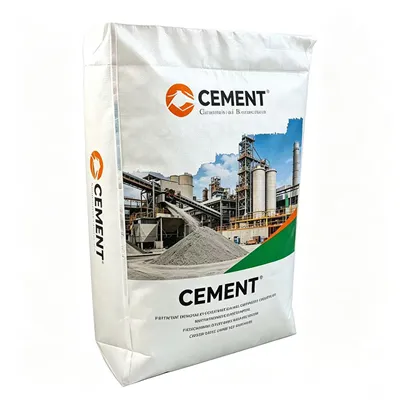
In summary, the materials used to make Type A FIBC bags are carefully selected to provide the necessary strength, durability, and functionality. Polypropylene is the primary material, offering high strength, moisture resistance, and chemical resistance. Woven polypropylene fabric forms the basis of the bag, with different weaving patterns and fabric weights available to suit various applications. Coatings, laminates, threads, and accessories all contribute to the overall performance of the bag.
BOPP Woven Bags As a supplier, we are committed to using only the highest – quality materials in the production of our Type A FIBC bags. We understand that our customers rely on these bags to safely store and transport their valuable products. If you are in need of Type A FIBC bags for your business, we invite you to contact us for a detailed discussion about your requirements. We can provide you with customized solutions that meet your specific needs, ensuring the efficient and safe handling of your bulk materials.
References
- ASTM International. "Standard Specification for Flexible Intermediate Bulk Containers (FIBCs) Made of Polypropylene Woven Fabrics."
- European Committee for Standardization. "EN 1898: Flexible Intermediate Bulk Containers – Safety."
- Technical Publications on Polypropylene Materials by Chemical Industry Associations.
Liaoning Xunlian Packaging Products Co., Ltd.
Liaoning Xunlian Packaging Products Co., Ltd. is one of the most professional type a fibc bags manufacturers and suppliers in China, featured by quality products and good service. Welcome to wholesale CE approved type a fibc bags made in China here and get quotation from our factory. Customized orders are welcome.
Address: Chaoyang Industrial Park, Kangping, Shenyang, Liaoning, China.
E-mail: info@xunlianpack.com
WebSite: https://www.xunlianpack.com/
