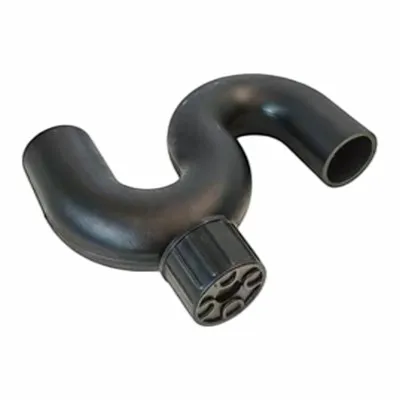
Butt fusion fittings play a pivotal role in modern piping systems, offering a reliable and efficient solution for joining pipes. As a leading supplier of butt fusion fittings, I’ve encountered numerous inquiries regarding their suitability for sewage systems. In this blog post, I aim to delve into the technical aspects, advantages, limitations, and real – world applications of using butt fusion fittings in sewage systems. Butt Fusion Fittings
Technical Overview of Butt Fusion Fittings
Butt fusion is a welding process used to join thermoplastic pipes and fittings. The basic principle involves heating the ends of the pipes and fittings to their melting point and then pressing them together under controlled pressure until they cool and form a homogeneous joint. The most common materials for butt fusion fittings are polyethylene (PE) and polypropylene (PP). These materials are chosen for their excellent chemical resistance, durability, and flexibility.
In the context of sewage systems, the chemical resistance of these thermoplastics is crucial. Sewage contains a wide range of substances, including acids, alkalis, and various organic compounds. PE and PP are highly resistant to corrosion from these chemicals, which helps to prevent pipe degradation and leakage over time.
Advantages of Using Butt Fusion Fittings in Sewage Systems
1. Leak – proof Joints
One of the most significant advantages of butt fusion fittings in sewage systems is the creation of leak – proof joints. A well – executed butt fusion joint is as strong as the parent pipe material. This eliminates the risk of sewage leakage, which can cause environmental pollution, health hazards, and damage to infrastructure. In contrast, traditional joining methods such as rubber gaskets may develop leaks over time due to aging, movements in the ground, or changes in temperature.
2. Durability
Sewage systems are often buried underground, where they are exposed to harsh environmental conditions, including soil movement, moisture, and variable temperatures. Butt fusion fittings made from PE or PP have a long service life, with some estimates suggesting they can last up to 50 years or more. Their resistance to abrasion and impact also makes them suitable for handling the solid waste and debris present in sewage.
3. Flexibility
PE and PP pipes used with butt fusion fittings are flexible, which is an advantage in sewage systems. They can withstand ground movement and settlement without cracking or breaking. This flexibility also simplifies the installation process, as it allows the pipes to follow the natural contours of the terrain, reducing the need for extensive excavation and pipe bending.
4. Cost – effectiveness
Although the initial cost of butt fusion fittings and the equipment required for installation may be higher than some traditional methods, the long – term cost savings are significant. The reduced maintenance requirements, lower risk of leaks, and long service life of the fittings translate into lower overall costs for sewage system operators.
Limitations and Challenges
1. Installation Expertise
Butt fusion requires skilled operators to ensure proper joint quality. Incorrect heating temperatures, pressure, or fusion times can result in weak joints that are prone to failure. Therefore, it is essential to provide training for installation teams to ensure that butt fusion fittings are installed correctly.
2. Temperature Sensitivity
The butt fusion process is sensitive to temperature. Extreme cold or hot weather can affect the melting and cooling rates of the thermoplastic materials, potentially leading to poor joint formation. Special precautions, such as using heating blankets or working in a temperature – controlled environment, may be necessary during installation in adverse weather conditions.
3. Compatibility
Not all sewage systems are suitable for butt fusion fittings. For example, in systems where there are frequent changes in pipe diameter or complex pipe configurations, other joining methods may be more appropriate. It is important to conduct a thorough assessment of the sewage system requirements before choosing butt fusion fittings.
Real – World Applications and Case Studies
In many municipalities around the world, butt fusion fittings have been successfully used in sewage systems. For instance, in a large – scale sewage project in a coastal city, PE butt fusion fittings were installed for a new sewage pipeline. The project faced challenges such as high groundwater levels and corrosive soil conditions. However, the chemical resistance and leak – proof nature of the butt fusion joints ensured the long – term integrity of the pipeline. The flexible PE pipes were also able to adapt to the ground movement caused by tidal activity.
Another example is in a suburban area where a sewage treatment plant upgraded its internal piping system using PP butt fusion fittings. The durability and flexibility of the fittings allowed for easy installation in a confined space. After several years of operation, there have been no reports of leaks or pipe failures, demonstrating the reliability of butt fusion fittings in sewage systems.
Industry Standards and Regulations
The use of butt fusion fittings in sewage systems is subject to various industry standards and regulations. For example, in Europe, the EN 12201 standard specifies the requirements for PE pipes and fittings used in water and sewage applications. In the United States, the ASTM standards, such as ASTM D3350 for PE pipe materials, provide guidelines for the quality and performance of butt fusion fittings.
Adhering to these standards ensures the safety and reliability of the sewage system. As a supplier, we ensure that all our butt fusion fittings meet or exceed the relevant industry standards, providing our customers with high – quality products that are suitable for sewage applications.
Conclusion
In conclusion, butt fusion fittings can be effectively used in sewage systems. Their many advantages, including leak – proof joints, durability, flexibility, and cost – effectiveness, make them a compelling choice for sewage system operators. However, it is important to be aware of the limitations and challenges, such as the need for installation expertise and temperature sensitivity.
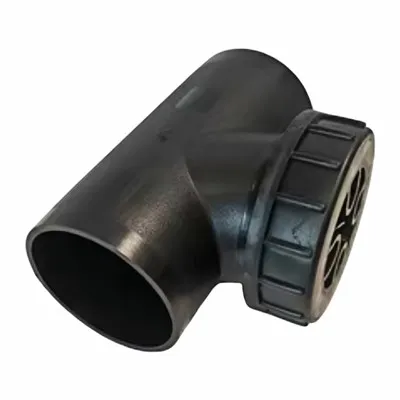
Butt Fusion Drainage Fittings If you are considering using butt fusion fittings for your sewage system project or have any questions about our products, I encourage you to contact me for a detailed discussion. We can provide you with technical support, product samples, and competitive pricing. Let’s work together to ensure the success of your sewage system project.
References
- EN 12201. Plastics piping systems for water supply and for buried and above – ground drainage and sewerage under pressure – Polyethylene (PE) – Requirements and test methods.
- ASTM D3350. Standard Specification for Polyethylene Plastics Pipe and Fittings Materials.
Qingdao Polyfusion Machinery Co., Ltd.
As one of the most professional butt fusion fittings manufacturers and suppliers in China, we have world-leading production equipment and strong manufacturing capabilities. Please feel free to buy bulk high quality butt fusion fittings from our factory.
Address: Chengyang Industry Zone, Chengyang, Qingdao, Shandong, China
E-mail: export01@qdpolyfusion.com
WebSite: https://www.polyfusionfittings.com/
