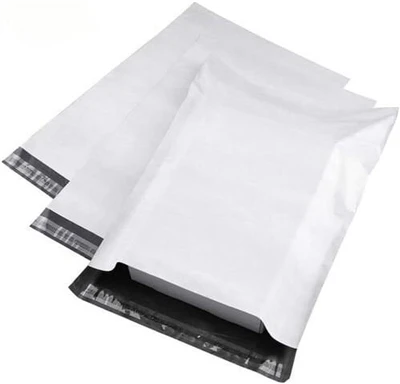
Plastic packaging bags have become an integral part of modern commerce, and as a supplier of plastic packaging bags, I’ve witnessed firsthand their widespread use across various industries. However, in recent years, there has been a growing concern about their environmental impact, particularly on air quality. In this blog post, I’ll delve into the ways plastic packaging bags affect air quality, exploring the science behind it and discussing the implications for our environment and health. Plastic Packaging Bags

The Production Process and Air Pollution
The journey of a plastic packaging bag begins with its production, which involves several energy – intensive processes. Most plastic bags are made from polyethylene, a polymer derived from petroleum or natural gas. The extraction of these fossil fuels is a significant source of air pollution. Drilling for oil and gas releases volatile organic compounds (VOCs), methane, and particulate matter into the atmosphere. Methane is a potent greenhouse gas, with a global warming potential much higher than carbon dioxide over a relatively short time frame.
Once the raw materials are obtained, they are refined and transformed into plastic resins. The refining process requires high temperatures and large amounts of energy, often generated from burning fossil fuels. This combustion releases sulfur dioxide, nitrogen oxides, and carbon monoxide, all of which are harmful air pollutants. Sulfur dioxide can react with other substances in the air to form sulfuric acid, contributing to acid rain. Nitrogen oxides play a key role in the formation of ground – level ozone, a major component of smog that can cause respiratory problems, especially for people with asthma or other lung conditions.
The manufacturing of plastic packaging bags also involves the use of various chemicals, such as plasticizers and stabilizers. These chemicals can be released into the air during the production process. Some of these chemicals are known to be toxic and can have long – term health effects on workers in the factories and nearby communities. For example, phthalates, a type of plasticizer, have been linked to endocrine disruption in humans.
Disposal and Air Quality
One of the most significant issues with plastic packaging bags is their disposal. A large proportion of plastic bags end up in landfills. In landfills, plastic bags do not biodegrade easily. Instead, they can break down into smaller pieces over time due to physical, chemical, and biological processes. During the breakdown process, plastic bags can release methane, a greenhouse gas produced by anaerobic decomposition. As mentioned earlier, methane has a high global warming potential, and its release from landfills contributes to climate change.
Another common disposal method is incineration. While incineration can reduce the volume of plastic waste, it also has a major impact on air quality. When plastic bags are burned, they release a variety of pollutants into the air. The combustion of polyethylene, for example, produces carbon monoxide, carbon dioxide, and particulate matter. In addition, if the plastic bags contain additives or contaminants, such as heavy metals or flame retardants, these can also be released during incineration. Dioxins, a group of highly toxic chemicals, can be formed when certain types of plastics are burned at low temperatures. Dioxins are persistent organic pollutants that can accumulate in the environment and in the food chain, and they have been linked to cancer, reproductive and developmental problems, and immune system damage.
Microplastics and Airborne Particles
Plastic packaging bags can also contribute to the problem of microplastics in the environment. Microplastics are small plastic particles less than 5 millimeters in size. As plastic bags break down in the environment due to weathering, UV radiation, and mechanical stress, they can fragment into microplastics. These microplastics can become airborne and be carried by the wind over long distances.
Airborne microplastics are a relatively new area of research, but studies have already detected them in the air. These particles can be inhaled by humans and animals, potentially causing health problems. Inhaled microplastics can accumulate in the respiratory system, leading to inflammation and damage to lung tissues. They can also act as carriers for other pollutants, such as heavy metals and organic contaminants, which can further exacerbate their health effects.
The Role of the Plastic Packaging Bag Industry
As a supplier of plastic packaging bags, I understand the concerns about the environmental impact of our products. However, the industry is also taking steps to mitigate these effects. For example, many plastic bag manufacturers are investing in research and development to produce more sustainable plastic bags. Some are exploring the use of biodegradable or compostable materials, which can break down more quickly in the environment and produce fewer harmful pollutants during decomposition.
In addition, there are efforts to improve the recycling rate of plastic packaging bags. Recycling plastic bags can reduce the demand for new plastic production, thereby saving energy and reducing air pollution associated with the extraction and refining of fossil fuels. However, recycling plastic bags is still a challenge, as they often get tangled in recycling equipment. To address this issue, some companies are developing new recycling technologies and promoting better waste management practices.
Implications for the Future
The impact of plastic packaging bags on air quality is a complex issue that requires a multi – faceted approach. As consumers, we can make a difference by reducing our use of plastic bags and choosing more sustainable alternatives, such as reusable bags. Governments also have a role to play in implementing policies and regulations to reduce plastic waste and promote sustainable practices in the plastic packaging industry.
For the plastic packaging bag industry, the future lies in innovation and sustainability. By developing more environmentally friendly products and improving recycling processes, we can minimize the negative impact of plastic bags on air quality and the environment.
Contact for Purchase and Discussion
POF Shrink Film If you’re in need of high – quality plastic packaging bags, I’m here to assist you. Our company is committed to providing products that meet your needs while also being mindful of the environmental impact. We can discuss various options, including more sustainable choices, and find the best solution for your business. Whether you’re a small retailer or a large corporation, we have the expertise and resources to serve you. Reach out to us to start a conversation about your plastic packaging requirements.
References
- EPA. (2023). "Air Pollutants and Their Effects." United States Environmental Protection Agency.
- Geyer, R., Jambeck, J. R., & Law, K. L. (2017). "Production, use, and fate of all plastics ever made." Science Advances, 3(7), e1700782.
- Rochman, C. M., et al. (2019). "Microplastics in the marine environment: A review of the sources, fate, effects, and potential solutions." Marine Pollution Bulletin, 138, 131 – 142.
- UNEP. (2022). "Plastic and Climate: The Hidden Costs of a Plastic Planet." United Nations Environment Programme.
Shanghai Ruiyue Plastic Products Co., Ltd.
With abundant experience, we are one of the most professional plastic packaging bags manufacturers and suppliers in China. We warmly welcome you to buy high quality plastic packaging bags in stock here from our factory. If you have any enquiry about customized service, please feel free to email us.
Address: No. 1000, Lixue Road, Malu Town, Jiading District, Shanghai
E-mail: shenyang.boss@ruiyueplastics.com
WebSite: https://www.ruiyueplastics.com/
