Hey there! As a supplier of rubber sheathed cables, I’ve seen my fair share of damaged cables over the years. It’s a common issue, especially in industries where these cables are used intensively. In this post, I’ll walk you through the step – by – step process of repairing a damaged rubber sheathed cable. Rubber Sheathed Cable

Assessing the Damage
The first thing you gotta do is look closely at the cable. Check for any signs of cuts, abrasions, or holes in the rubber sheath. Sometimes, the damage might not be obvious on the surface, so you need to run your fingers along the cable to feel for any irregularities. Also, take a look at the inner conductors. If there’s a cut in the rubber, the conductors might be damaged too. You can use a multimeter to check if there’s any break in the electrical connection. This simple test will let you know if you’re dealing with just a sheath problem or if the conductors are a real concern.
Gathering the Tools
For a proper cable repair, you’ll need a few tools. First off, get a good pair of cable cutters. You’ll use these to trim any frayed or damaged parts of the conductors. A sharp utility knife is also essential for cutting away the damaged rubber sheath. And don’t forget about sandpaper. You’ll use it to smooth out the edges of the remaining sheath after you’ve removed the damaged bit.
Besides these basic tools, you’ll need some bonding materials. A high – quality rubber patch that matches the type of rubber in your cable is crucial. You’ll also need a rubber adhesive. Make sure the adhesive you choose is designed for the specific type of rubber in your cable. Otherwise, it won’t bond properly.
Preparing the Cable
Once you’ve got your tools ready, it’s time to prep the cable. Start by turning off the power supply. You don’t want any live electricity when you’re working on the cable – safety first, right?
Next, use the utility knife to carefully cut away the damaged part of the rubber sheath. Try to make clean, straight cuts, and be as precise as possible. Don’t cut too deep and damage the conductors. After you’ve removed the damaged sheath, use the sandpaper to smooth out the edges of the remaining sheath. This will help the new patch adhere better.
If the conductors are damaged, you’ll need to use the cable cutters to trim off the frayed parts. Make sure to leave enough length to make a proper connection. Then, use some wire strippers to expose a small section of the conductor, about half an inch or so. This will give you a clean surface to work with when it’s time to reconnect.
Applying the Patch
Now, let’s talk about applying that rubber patch. First, clean the area where you’ll be applying the patch. Use a clean cloth and some rubbing alcohol to get rid of any dirt or debris. This will ensure a strong bond.
Next, apply a thin layer of the rubber adhesive to both the area on the cable and the patch. Make sure to spread it evenly. Then, carefully place the patch over the damaged area, lining it up as best as you can. Press down firmly to get rid of any air bubbles. You can use a small roller or your fingers to smooth out the patch and make sure it adheres well.
Let the adhesive dry according to the manufacturer’s instructions. This usually takes a few hours, so be patient. While it’s drying, try to keep the cable in a relaxed position so that the patch doesn’t come loose.
Reconnecting the Conductors
If the conductors were damaged, you’ll need to reconnect them. First, twist the exposed ends of the conductors together tightly. You can use some heat – shrink tubing to insulate the connection. Slide the heat – shrink tubing over the twisted conductors and use a heat gun to shrink it. Make sure the heat – shrink tubing completely covers the connection and provides a good, tight seal.
Testing the Repaired Cable
After the adhesive has dried and the conductors are reconnected (if necessary), it’s time to test the cable. Turn the power supply back on and use a multimeter to check if the electrical connection is working properly. You can also visually inspect the repair. Make sure the patch is still firmly attached and there are no signs of damage.
If the cable passes the test, you’re good to go! But if you notice any issues, like a break in the electrical connection or a loose patch, you might need to go back and redo the repair.
Maintenance Tips
Once you’ve repaired the cable, it’s important to take good care of it to prevent future damage. Keep the cable away from sharp objects and rough surfaces. If the cable is used in an industrial setting, consider using cable protectors or conduits to shield it. Also, make sure to regularly inspect the cable for any signs of wear and tear.
If you’ve been using the cable in harsh environments, like areas with high temperatures or chemicals, you might need to replace it more frequently. Remember, a well – maintained cable will not only last longer but also ensure a safer and more reliable electrical connection.
When to Replace Instead of Repair
Sometimes, it’s just not worth repairing a damaged cable. If the damage is extensive, for example, if there are multiple cuts in the conductors or large sections of the sheath are completely gone, it’s probably better to replace the cable. Repairing a severely damaged cable might not provide a long – term solution, and there’s a higher risk of electrical problems.
Another thing to consider is the age of the cable. If the cable is old and showing signs of general deterioration, such as cracking or hardening of the rubber sheath, it’s a good idea to replace it. You don’t want to risk any electrical failures that could lead to bigger problems.
How Our Cables Can Make Your Life Easier
As a supplier of rubber sheathed cables, I can tell you that our cables are made with high – quality materials and strict manufacturing processes. Our cables are designed to be durable and resistant to damage, but we know that sometimes things happen. That’s why we’re also here to support you with information on cable repair.
Whether you need a new cable or you’re looking for advice on fixing a damaged one, we’re here to help. Our team of experts has years of experience in the cable industry and can answer all your questions.
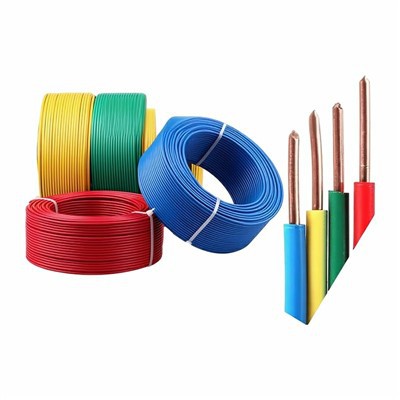
If you’re in the market for a reliable rubber sheathed cable or are interested in learning more about our products, don’t hesitate to reach out. We can discuss your specific needs and provide you with the right solution.
References
- "Electrical Cable Installation Manual": A comprehensive guide on cable installation, repair, and maintenance.
- "Rubber Technology Handbook": A resource for understanding the properties and behavior of rubber materials used in cables.
Aluminum Clad Steel Wire Looking forward to working with you on your cable needs!
Hebei Hualun Cable Co., Ltd.
As one of the leading rubber sheathed cable manufacturers and suppliers in China, we offer a wide range of products with superior quality. We warmly welcome you to buy cheap rubber sheathed cable for sale here from our factory. For price consultation, contact us.
Address: XINGBIEYING INDUSTRIAL ZONE, HEBEI PROVINCE CHINA
E-mail: steven@hualunchcable.com
WebSite: https://www.hualuncables.com/
