As someone who’s spent over a decade working in link fittings supply, I can’t tell you how many times I’ve gotten a call from a customer panicking because their fittings aren’t holding up like they should. Most of the time, the issue isn’t a manufacturing flaw—it’s simple, outdated cleaning practices that are doing more harm than good. I’ve seen it all: a construction manager scrubbing stainless steel link couplings with a steel brush, a marine tech using harsh, acidic chemicals on galvanized turnbuckles, even a warehouse worker hosing down powder-coated link fittings with high-pressure water that stripped the finish in hours. Link Fittings
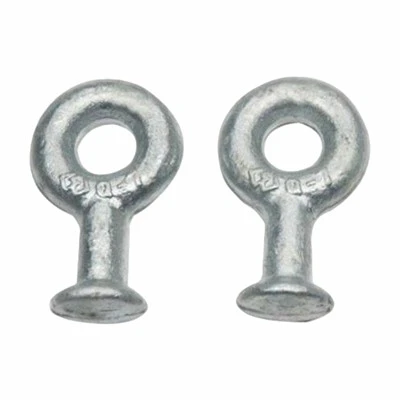
Cleaning link fittings isn’t just about making them look shiny. It’s a critical step to preserving their strength, preventing corrosion, and ensuring they perform exactly as they’re designed to—whether that’s securing a cargo load on a truck, holding a sail on a yacht, or stabilizing a temporary structure at a job site. Over the years, I’ve tested every trick in the book, worked with industrial maintenance teams, and even consulted with corrosion engineers to put together a cleaning process that’s safe, effective, and tailored to different types of link fittings. If you get this right, you can double the lifespan of your fittings, save on replacement costs, and avoid costly failures that bring projects to a halt.
First, let’s get one thing straight: not all link fittings are made the same, and not all dirt is created equal. The cleaning method for a zinc-plated carbon steel link used in agricultural equipment is worlds apart from what you’d use for a 316 stainless steel swivel hook for offshore marine applications. That’s why the first step in any good cleaning routine is identifying your fitting’s material and the type of contaminants it’s dealing with. Skip this, and you’re basically asking for trouble—trust me, I’ve had customers ruin a batch of custom alloy link fittings by using a degreaser that ate through their protective coating because they didn’t check the material specs first.
Let’s break down the most common fitting types and their specific needs, because that’s where most people go wrong. Carbon steel fittings, which are the workhorses of general construction, landscaping, and light industrial use, are prone to rust, so their cleaning has to prioritize removing moisture and preventing future oxidation. Galvanized steel fittings (which are carbon steel coated with zinc to resist corrosion) need special care—harsh abrasives or high-pH cleaners will strip that zinc coating faster than anything. Stainless steel fittings, especially marine-grade 316, are more durable, but they can still get stained by rust from other metals, or damaged if you use steel wool or tools that leave iron particles on their surface. And don’t forget about specialty fittings, like powder-coated link hooks or nylon-coated chain links, which can’t handle any kind of harsh chemical at all.
Now, let’s talk about the three biggest culprits that build up on link fittings over time, because each needs a slightly different approach. The first and most common is general dirt and grime: mud, dust, sawdust, construction debris, even food residue from agricultural applications. This is the easiest to handle, but even here, people use too much force or the wrong products. The second is oil and grease, which is super common in automotive, manufacturing, and marine settings. Oil and grease aren’t just messy—they trap moisture against the fitting’s surface, leading to rust, and they can weaken the material over time if left too long. The third is corrosion: surface rust on steel, white rust on galvanized fittings, or even light staining on stainless steel from contact with other metals. This is the one you want to catch early, because once corrosion gets past the surface, it’s almost impossible to reverse.
Let’s start with the cleaning routine, step by step, with specific methods for each fitting type. I always tell my customers that the best cleaning is the one that doesn’t require heavy scrubbing. The first rule: remove any loose debris first. Use a soft-bristle nylon brush, not a steel brush or a wire wheel, which can scratch the surface and create tiny pits where corrosion can start. For fittings that are still attached to equipment, a low-pressure hose (no more than 50 PSI—high pressure can force water into seams and pin joints, leading to hidden rust) works great for washing off loose dirt. If you’re cleaning fittings that are already removed from use, a gentle soak in warm, soapy water (mild dish soap works perfectly, just nothing with bleach) can loosen even caked-on mud in a few minutes. Scrub gently with that nylon brush, rinse, and dry immediately. That’s it for basic dirt—no need for fancy products here.
Next, oil and grease. This is where a lot of people reach for strong degreasers, and that’s a mistake. For most fittings, a biodegradable citrus-based degreaser is more than enough—it cuts through oil without damaging coatings or metal. Avoid petroleum-based degreasers, which can leave a sticky residue that attracts more dirt, and harsh alkaline degreasers (like those used for heavy industrial equipment) that can etch galvanized or stainless steel. For carbon steel, you can use a 50/50 mix of warm water and white vinegar if you don’t have a degreaser on hand—just make sure to rinse it thoroughly and dry right after, because vinegar is acidic and can cause rust if left sitting. For heavy grease that’s built up on swivel hooks or load links used in heavy manufacturing, you can soak the fitting in a heated (not boiling) citrus degreaser for 15 to 20 minutes, then scrub with a soft brush and rinse. Never leave fittings soaking in degreaser for more than an hour—even mild ones can start breaking down coatings over time if left too long.
Now, the tricky part: removing corrosion. This is where most people go wrong with abrasive tools. For light surface rust on carbon steel fittings, a very light pass with a fine-grit Scotch-Brite pad (the non-scratch kind) will remove the rust without scratching the surface. Then, wipe it down with a dry cloth to pick up all the rust particles, and immediately apply a light coat of machine oil or rust inhibitor to prevent it from coming back. For galvanized fittings, any kind of abrasive that removes zinc is a no-go—if you see white rust (that powdery white coating that forms when the zinc is breaking down), wipe it off with a dry cloth and apply a zinc-rich touch-up paint made specifically for galvanized steel. Never sand or scrub white rust off galvanized fittings, because you’ll strip the protective layer that’s keeping the steel underneath from rusting. For stainless steel, if you get rust staining from contact with carbon steel tools or fittings, use a stainless steel-specific cleaner (avoid regular all-purpose cleaners) and a nylon brush—steel wool will leave iron particles on the surface that will cause more rust later. For heavier corrosion, you can use a fine-grit stainless steel scrub pad, but always scrub with the grain of the steel, not against it, to avoid scratching.
Once you’ve cleaned your fittings, the most important step many people skip: drying. Wet fittings are 10 times more likely to corrode. After every cleaning, wipe them down with a lint-free cloth as soon as you’re done rinsing. For hard-to-reach areas inside link loops, swivel joints, or hook eyes, use a small, lint-free rag wrapped around a thin stick or a pipe cleaner to soak up all trapped water. If you have a batch of fittings to clean and store, line them on a rack (not directly on the floor) in a well-ventilated area to air dry for at least 24 hours before putting them away. Never store wet fittings in a container or a pile—moisture will get trapped, and you’ll have rust before you know it.
I also want to share a few common mistakes I’ve seen customers make over the years that actually shorten fitting life. First, using the same cleaning tools for different fitting types. That steel brush you use for cleaning construction fittings? Don’t use it on stainless steel or galvanized fittings—it leaves iron particles or zinc dust that can cause corrosion. Keep separate sets of brushes and pads for each type of fitting. Second, over-cleaning. I’ve had a customer who cleaned his link fittings every week with harsh chemicals, and the zinc coating wore out in two years instead of the expected 10. Fittings don’t need weekly deep cleans—only clean them when they’re visibly dirty, greasy, or corroded. Third, skipping lubrication after cleaning. For link fittings with moving parts (like swivels, turnbuckles, or hooks with moving jaws), a light coat of food-grade or industrial grease (depending on the fitting’s use) after cleaning prevents friction, keeps moving parts working smoothly, and seals out moisture. Don’t use regular motor oil— it’s too thin and will wash off quickly. Use a grease specifically designed for the type of fitting you have.
Now, let’s talk about what to never do when cleaning link fittings. Never use a pressure washer over 50 PSI, as I said before—higher pressure can force water into seams, break down seals on swivel joints, and damage protective coatings. Never use bleach or any cleaner with chlorine—it will pit stainless steel and break down galvanized coatings. Never leave fittings to air dry naturally outdoors in humid or rainy weather—moisture in the air will lead to rust before they’re fully dry. And never mix different cleaning chemicals, especially bleach and ammonia—their combination creates toxic fumes that are bad for your health and can damage fittings.
Over the years, I’ve worked with customers who reduced their fitting replacement costs by 40% just by following this simple routine. I remember a construction company in Texas that was going through 500 carbon steel link fittings a year because of rust, and after we adjusted their cleaning process, they only needed to replace 150 in 12 months. That’s not a small saving—for a company that works on tight budgets, that’s thousands of dollars a year they can put back into their projects.
At the end of the day, cleaning link fittings isn’t complicated. It’s about matching your method to the material, using the right tools for the job, and not skipping the drying and lubrication steps. The fittings you use are an investment—whether you’re securing cargo on a cross-country truck, stabilizing a building during a renovation, or out on the water fishing—taking 10 minutes to clean them properly will keep them safe, reliable, and working for years.
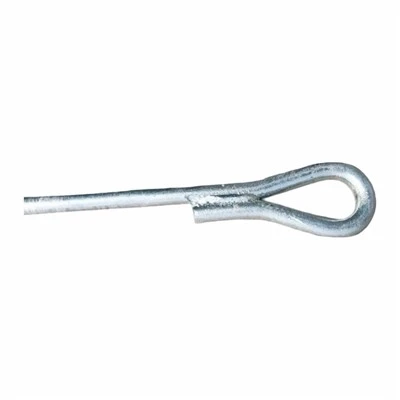
If you have questions about specific link fittings, need guidance on cleaning products that work for your industry, or are looking for high-quality, durable link fittings that hold up to whatever you throw at them, don’t hesitate to reach out to our team. We’ve been supplying link fittings to industrial, marine, construction, and agricultural businesses for years, and we’re always here to help you get the most out of your equipment.
Power Fittings REFERENCES
- Corrosion Basics: An Introduction, NACE International
- Guide to Maintenance and Care of Wire Rope and Fittings, American Society of Mechanical Engineers
- Galvanizing Basics: A Guide to Zinc Coating Applications, International Zinc Association
- Stainless Steel Cleaning and Maintenance, Nickel Institute
Hebei Tongchuang Power Fittings Co., Ltd.
With abundant experience, we are one of the most professional link fittings manufacturers and suppliers in China. Please feel free to buy advanced link fittings for sale here from our factory. Good service and quality products are available.
Address: Houxiaohan Industrial Zone, Xingbieying Town, Hejian City, Hebei Province, P.R. China
E-mail: tongchuangepf@gmail.com
WebSite: https://www.tongchuangpower.com/
