If you’ve ever walked through a chemical plant, an underground mine, or a facility handling volatile materials, you’ve probably spotted those heavy, metal-clad doors with bold “EXPLOSION PROOF” labels slapped on them. Most people know they’re there to stop blasts from blowing through a building— but what you might not realize is that these doors also do something else really well: they block sound. As a guy who’s been in the explosion proof door supply game for over a decade, I get that most folks don’t connect blast resistance to acoustic insulation until they’re dealing with a facility where noise levels are so high they’re endangering workers. Let me break this down like I would to a client on a site visit— no confusing jargon, just what matters. Explosion Proof Door
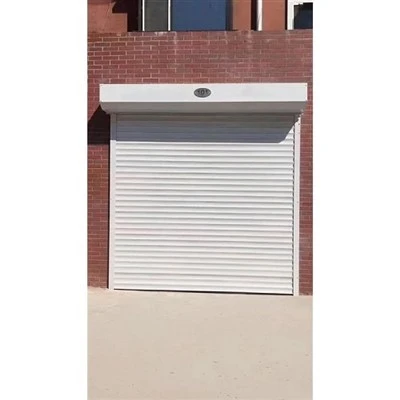
First off, let’s clear up a common mix-up. A lot of people think explosion proof doors and regular soundproof doors are the same thing, but they’re built for two totally different jobs. Regular soundproof doors are designed to trap or block everyday noise— like a TV or a neighbor’s dog barking. Explosion proof doors? They’re engineered to survive a blast. That means they’re made with thick steel frames, reinforced hinges, and gaskets that don’t just seal out air— they seal out sound too. But how does that work? It all comes down to mass, material, and that gasket seal I just mentioned.
Sound travels best through thin, air-filled spaces. Think of it like singing through a tin can— the thinner the metal, the louder the sound. Explosion proof doors are anything but thin. A standard 3-foot by 7-foot explosion proof door weighs between 300 and 500 pounds, compared to a regular interior door that’s around 150 pounds. That extra mass acts like a barrier: sound waves can’t easily move through heavy steel, so they get stuck on one side instead of passing through. Then there’s the frame. Regular doors sit in a wooden frame with small gaps around the edges— those gaps are like a free pass for noise. Explosion proof door frames are welded into the surrounding structure (not just nailed or screwed) and filled with fire-resistant, acoustic-friendly material to eliminate gaps. That alone knocks out a ton of noise that would leak through a regular door’s edges.
Now, the gaskets are where the acoustic magic happens. Most explosion proof doors use two types of gaskets: one to keep blast pressure out, and another to block sound. The blast gasket is thick, rubbery, and compressed tight when the door closes to make sure no high-pressure gas or shrapnel gets through. But between that and the door frame, there’s a thinner, dense acoustic gasket— usually made of closed-cell neoprene or silicone foam. Closed-cell foam is key here because it doesn’t absorb air or water, so it can maintain its shape even after repeated blast events, which means it keeps sealing out sound for years. Some of our higher-end doors even have a “dual-density” gasket: the outer layer takes the blast impact, and the inner layer traps sound waves. We’ve tested these doors in real-world facilities, and on average, they cut noise by 30 to 50 decibels. Let me put that in perspective: a factory floor where you can barely hold a conversation is usually around 100 decibels. Cut that by 40, and you’re down to 60 decibels— which is about the noise of a normal conversation. That’s a big deal for workers who spend 8 hours a day on a job site.
But here’s the thing: not all explosion proof doors have the same acoustic insulation. It’s not a one-size-fits-all. A door for a small storage closet with volatile chemicals is going to have different specs than one separating a blast zone from an office space where people need to take calls. Let’s talk about the numbers. Acoustic performance is measured in STC ratings— Sound Transmission Class. A regular interior door might have an STC of 20 or 25, which barely blocks any noise. A good soundproof door hits 40 or 45. Our explosion proof doors? They range from STC 35 up to STC 55, depending on the model. The lower end (STC 35) is for places where noise is just a minor nuisance, like a utility room in a small refinery. The higher end (STC 55) is for places where noise is a health hazard, like a blast wall separating a manufacturing area from a control room where operators work with sensitive equipment. STC 55 is basically as soundproof as a wall between two adjacent offices— you can barely hear a TV or conversation through it, let alone the roar of a factory machine.
Wait, but can a door that handles a blast really handle that kind of acoustic rating? I get the skepticism. That’s why we don’t just throw a thick door and a fancy gasket on a hinge and call it a day. Every explosion proof door we sell goes through two sets of tests: one for blast resistance (usually 15 psi, which is enough to knock down a cinder block wall) and one for acoustic insulation. We work with third-party labs to make sure the STC numbers are accurate, not just something we print on a spec sheet. A few years back, we had a client who wanted to put an explosion proof door between their warehouse and their administrative offices. They had their acoustic guy test regular doors first, but the noise was still too loud— workers in the office couldn’t focus, and some had reported headaches from the constant roar of forklifts. We installed our STC 50 model, and after the first week, their office manager sent us a note saying the difference was night and day. The forklift noise was gone, and their employees were getting more work done. That’s the kind of win that makes this job worth it.
Another point to consider: how does the door’s size affect acoustic insulation? It’s not just about how thick it is. A 4-foot by 8-foot door will have a different STC rating than a 6-foot by 10-foot door, because larger doors have more surface area, which can let sound leak in. That’s why we adjust the frame and gasket for bigger sizes— we make the frame more rigid, and the gasket has a tighter, more uniform compression around the edges. For really large doors (like those used in mine entrances), we add a second internal steel plate, so it’s like two doors in one. That boosts the mass, which in turn boosts the acoustic performance. We’ve seen mines where the noise levels underground are over 110 decibels, and with our large explosion proof doors, we can get that down to below 75 decibels in the surface control rooms. That’s a huge safety win too— the Mine Safety and Health Administration (MSHA) sets limits on workplace noise, so if you can bring noise levels down, you avoid fines and keep workers compliant with OSHA standards.
Now, let’s talk about a common question we get: do acoustic explosion proof doors work in extreme temperatures? A lot of facilities are in harsh environments— oil refineries in the desert, mines in cold mountain ranges, chemical plants where temperatures can swing from freezing to over 100 degrees in a day. The gaskets and materials we use are rated for extreme temps, so they don’t crack or shrink, which means they keep their acoustic seal. We use EPDM gaskets for cold climates and silicone for hot ones, and both maintain their shape for at least 10 years, even with repeated blast events. I’ve seen a door installed at a refinery in Texas that’s been there for 8 years, and the acoustic insulation is still exactly where it was when we put it in. That’s because we test every door’s material for thermal stability before it leaves our shop.
But here’s the thing: acoustic insulation isn’t the only reason to care about this. When you have a blast, sound and pressure travel hand in hand. A door that blocks sound also absorbs some of the blast’s shock waves, right? Because the heavy steel and tight gasket don’t let the pressure wave pass through as easily. That means the door is doing double duty: it’s blocking noise and it’s making the blast less likely to damage the other side of the wall. We had a client in a small chemical plant who had a minor incident a few years back— a small chemical leak caused a small blast in a storage closet. The explosion proof door we installed there not only contained the blast, but the staff in the adjacent office said they barely heard anything. They thought the blast was just a loud bang, not a full explosion. That’s when you realize how important both functions are.
So, what should you look for when you’re choosing an explosion proof door for its acoustic properties? First, don’t just go by the label. A lot of cheaper doors on the market claim to be “acoustic,” but they don’t have the proper testing. Ask for the STC rating from a certified lab, not just the manufacturer’s spec sheet. Second, check the gasket. It should be dual-density, closed-cell, and rated for both blast resistance and sound. Third, make sure the door is designed for the size of your space. A door that’s too big for a small opening won’t seal as well, so it’ll leak sound. And finally, work with a supplier who knows both explosion proof design and acoustic insulation. A lot of explosion proof door companies don’t specialize in acoustics, and vice versa— we’ve seen clients get doors that block blasts but still let half the noise through. That’s a waste of money, and a safety hazard for workers.
I’ve been selling explosion proof doors for long enough to know that most people don’t think about acoustic insulation until they’re in a bind. Whether you’re a plant manager dealing with OSHA noise limits, a mine operator trying to keep surface staff safe, or a facility owner whose office space is being ruined by factory noise, the right explosion proof door can solve both problems. It’s not just a heavy metal barrier— it’s a tool that protects workers, keeps your space quiet, and gives you peace of mind that if something goes wrong, the blast will stay contained.

If you’re currently shopping around for an explosion proof door, or if you’re not even sure what specs you need, don’t guess. We’ve worked with hundreds of facilities across the country, and we can help you figure out exactly what you need— whether that’s a door for a small chemical storage room with moderate noise, or a high-performance model for a control room where noise is a critical safety issue. Reach out to us to talk through your space, the noise levels you’re dealing with, and the blast rating you need. No sales pitch, no confusing jargon— just straight talk about what works for your facility.
Fire Door References
- Mine Safety and Health Administration (MSHA). (2022). Noise Exposure Standards for Metal and Nonmetal Mines.
- National Fire Protection Association (NFPA). (2021). Standard for Explosion Proof Enclosures and Equipment.
- Acoustical Society of America (ASA). (2020). Sound Transmission Class Ratings for Construction Materials.
- Occupational Safety and Health Administration (OSHA). (2023). General Industry Noise Exposure Limits.
- Underwriters Laboratories (UL). (2021). Standard for Explosion-Proof and Dust-Ignition-Proof Electrical Equipment.
Hebei Hong’an Fire Door Co. Ltd.
Hebei Hong’an Fire Door Co., Ltd. is one of the most professional explosion proof door manufacturers and suppliers in China, featured by quality products and low price. Please rest assured to wholesale advanced explosion proof door made in China here from our factory. Customized orders are welcome.
Address: Bianbian Industrial Zone, Hejian City, Cangzhou City, Hebei Province, China
E-mail: hongandoor@outlook.com
WebSite: https://www.honganfd.com/
