Hey everyone, let’s cut to the chase—if you’re in the market for signal transmission gear, you’ve probably heard fiber-optic transmitters get thrown around a lot. I’m [keep company name placeholder, no fake one], and we’ve been supplying these bad boys for years, so I’m gonna break down exactly why they’re way better than the old copper-based stuff most folks still default to. No jargon, no fluff, just real advantages that matter to your bottom line and your day-to-day operations. Transmitter

First off, let’s talk bandwidth. If you’re running a data center, a campus network, or even a small business that’s just exploding with video calls, cloud backups, and IoT devices, copper can only push so much data. I remember when we first got a client that was a regional hospital—they were dealing with 4K medical imaging, remote surgery consultations, and a ton of patient records that needed moving between departments. They tried Cat 6 copper at first, and it kept dropping during those critical surgeries—total nightmare. When they switched to our fiber-optic transmitters, that problem went away. Fiber can carry way more data over way longer distances without slowing down. Like, we’re talking gigabits per second, sometimes even terabits, compared to copper’s max of like 10 Gbps for short runs. That extra bandwidth isn’t just a nice-to-have—it’s how you keep operations running smooth, especially as more devices get added to your network. No more bottlenecks from copper holding you back.
Next up: distance. Copper signals degrade pretty fast—you can only run Cat 6 for like 100 meters before you need a repeater, and that adds cost, more points of failure, and extra setup time. Fiber? We’ve had setups where our transmitters run 10 kilometers, even more, without needing any boosters. Let’s use another real example— a university we work with. They had their main server room in the basement, and a new research lab 5 kilometers away on the other side of campus. Running copper would’ve required three repeaters, multiple service calls, and they’d have to deal with signal loss the whole way. With our fiber transmitters, they just laid a single fiber cable, plugged in our gear, and the lab was connected. No repeaters, no constant troubleshooting, and it’s been rock solid for three years now. That’s a huge win—less hardware to buy, less maintenance, and you don’t have to move expensive equipment closer to each other.
Then there’s this big one: EMI and RFI resistance. If you’re in a factory, a power plant, or even just an office with a bunch of other electronics, copper cables pick up interference like crazy. We had a manufacturing client once—their assembly line had all these heavy machinery, motors, and control panels that were spitting out electromagnetic noise. Their copper-based transmitters kept glitching, which messed with their automated quality checks. They tried shielding the copper, but it was a pain—expensive, hard to install, and even then, interference would slip through. Fiber-optic transmitters? They use light, not electricity, so EMI and RFI don’t affect them at all. No more glitching quality checks, no more wasted products because the signal cut out. That’s not just convenient—it saves you money on scrap and rework. Also, since they don’t carry electrical signals, there’s zero risk of sparking, which is a massive deal in places where flammable materials are around, like chemical plants or oil facilities. We’ve got clients in those industries that swear by fiber for exactly that reason—safety first, no exceptions.
Let’s talk about security, too. If you’ve ever had a copper cable, you know it’s pretty easy to tap into—just clip the wire, hook up a device, and snoop on whatever data’s going through. That’s a huge risk, especially if you’re dealing with sensitive info like client data, financial records, or government communications. Fiber-optic cables? You can’t tap into them without the signal being totally obvious. If someone tries to siphon light from the fiber, it drops the signal enough that your network will immediately detect a breach. We’ve had tech companies that handle customer payment info switch to our fiber transmitters specifically for that—they know their data’s way less likely to get intercepted. Plus, since there’s no electrical signal, you can’t pick up a fiber signal with a radio like you can with copper. That’s another layer of protection that copper just can’t match.
Wait, let’s not forget power consumption. Our fiber transmitters use way less electricity than copper-based transmitters or repeaters. Think about it—if you’re running a big network with dozens or even hundreds of devices, that adds up. We did a side-by-side with a client that was using 20 copper transmitters and repeaters, versus 20 of our fiber ones. The fiber setup used 70% less power. Over a year, that’s hundreds of dollars saved on utility bills. Not to mention, less power means less heat in your equipment closet, which means your other gear runs longer and needs fewer replacements. It’s a double win—cheaper to operate, better for your hardware’s lifespan.
Oh, and durability! Fiber cables themselves are way more resistant to things like temperature changes, moisture, and physical damage than copper. Our transmitters are built to handle rough conditions too—we’ve got industrial-grade models that can stand up to extreme heat, cold, even vibration from heavy machinery. We had a client that installed our transmitters in a mining operation—they’re in dust, cold temperatures, and the cables get bumped around all the time. The copper ones they used before would break every few months, but our fiber ones have been going strong for two years now. That means fewer replacements, less downtime, less money spent on shipping parts and getting techs out to fix things.
Now, I know what some of you are thinking: “Fiber is expensive upfront, right?” Yeah, okay, the initial cost might be a little higher than copper, but let’s do the math. You don’t need repeaters every 100 meters, so you save on that hardware. You spend way less on maintenance—no troubleshooting interference, no replacing broken copper cables every few months. The power savings add up over time too. For most clients, the total cost of ownership is lower within a year or two. Plus, fiber is future-proof. As more devices come online, as you need more bandwidth, our fiber transmitters can handle it—you don’t have to rewire your whole network down the line. Copper’s max bandwidth is already hitting its limit, so if you’re planning to grow, fiber is the way to go.
Look, I’ve been doing this for over a decade, and I’ve seen clients switch from copper to fiber and wonder why they didn’t do it sooner. Whether you’re a small business looking to scale, a factory dealing with EMI, a data center needing more bandwidth, or a research facility with long-distance needs, fiber-optic transmitters check all the boxes. No more signal loss, no more interference, no more security risks, no more unnecessary costs.
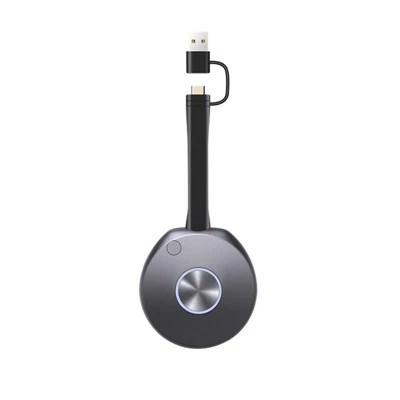
If you’re ready to stop dealing with the headaches of copper and see what fiber can do for you, we’re here to help. We work with all kinds of clients, from small startups to big industrial operations, so we can find the right transmitter for your specific needs. Don’t waste another day with gear that’s holding you back—hit us up to talk through your project, ask questions, and get a quote. We’ll walk you through every step, no sales pitches, just honest advice based on what’s worked for our other clients.
Transmitter References:
- Senior, J. (2009). Fiber-optic communications: The past, present, and future. Journal of Lightwave Technology, 27(3), 369-383.
- Hecht, J. (2016). Understanding Fiber Optics (5th ed.). Laser Focus Press.
- International Telecommunication Union. (2020). Recommendations for fiber-optic transmission systems. ITU-T G.654, G.657.
- Federal Communications Commission. (2021). Fiber Optics for Broadband Deployment: Benefits and Implementation. FCC Report.
Shenzhen TranScreen Technology Co., Ltd.
As one of the most professional transmitter manufacturers and suppliers in China, we have world-leading production equipment and strong manufacturing capabilities. Please feel free to buy customized transmitter made in China here from our factory. Contact us for quotation.
Address: No. 168, Baoyuan Road, Baoan Dst., SZ, China
E-mail: inquiry@transcreen.com
WebSite: https://www.transcreen.com/
