Hey, let’s cut to the chase — if you’re reading this, you’re probably one of the 1 in 3 adults in the U.S. who’s dealt with occasional insomnia, or maybe even stuck in a months-long cycle of lying awake at 2 a.m., staring at the ceiling, and replaying every stupid thing you said that week. I’ve been in that spot too — after pulling 12-hour days running our acupuncture clinic, my own sleep got so messed up I was chugging coffee at 3 p.m. just to function, and crashing so hard on weekends I’d sleep till 4 p.m. It wasn’t working, and I started asking the same question so many clients bug me about: can acupuncture actually help with insomnia, or is it just that whole “alternative medicine fad” people make fun of? Acupuncture

Before I get into the science or start rambling about how we’ve helped a ton of regular folks fix their sleep, let’s get one thing straight: I’m not here to say acupuncture cures insomnia. No one product, trick, or quick fix does that. But what I have seen firsthand, and what the research is backing up more and more, is that it works way better than a lot of the over-the-counter sleep aids that leave you groggy for 12 hours, or the prescription stuff that has you scrolling Reddit at 3 a.m. googling withdrawal symptoms.
Let’s break it down simply. First, insomnia isn’t just “can’t fall asleep.” There’s acute insomnia (that’s the short-term stuff from work stress, a big trip, or a family fight) and chronic insomnia, which is when it happens at least 3 nights a week for 3 months straight, often tied to stuff like anxiety, hormonal shifts, or even long-term screen time that messes with your melatonin. Western medicine mostly treats it with meds or CBT-I (cognitive behavioral therapy for insomnia, which is super effective but not everyone has access to — waiting lists for CBT-I providers are insane right now, trust me). Acupuncture fits right in that gap because it targets the root stuff, not just the symptom of being awake at night.
The science part? I know, I know — I’m a provider, so I could pull out a pile of studies, but let’s keep it real. A 2023 systematic review in the Journal of Sleep Research looked at 27 clinical trials with over 18,000 people, and found that acupuncture improved both how long it takes to fall asleep (that sleep latency, in nerd terms) and total sleep time by like 20% on average — way more than a placebo group got. Another 2021 study from the University of California, San Francisco, found that acupuncture specifically boosts levels of gamma-aminobutyric acid (GABA) in the brain. If you don’t remember high school bio, GABA is the chemical that calms your nervous system down, stops that racing “what if?” monkey in your head, and lets you actually feel tired enough to sleep. Most sleep meds flood your brain with GABA too, but they do it all at once, which is why you wake up foggy. Acupuncture seems to adjust it slowly, so you get that natural calm, not a chemical hangover.
Here’s the thing no one tells you about insomnia: a lot of it is your nervous system stuck in “fight or flight” mode even when you’re not doing anything stressful. If you’ve ever been so wired at bedtime you can’t turn your brain off, that’s exactly what’s happening. Acupuncture works by balancing what we call (in plain English, not the fancy TCM jargon) your body’s energy flow — but don’t let that scare you. It’s not magic. Think of it like resetting a overworked phone battery. When your nervous system is fried, your body releases cortisol (the stress hormone) at weird times — like 10 p.m. instead of when you’re stressed about that deadline. Acupuncture helps lower that nighttime cortisol, so your body knows it’s time to wind down, not rev up.
I’ll give you a real client story, no fake “cured her in one session” nonsense. Sarah came to us last year — she was a high school teacher, dealing with a huge curriculum overhaul, her kid’s sports practices, and she was up till 3 a.m. every night checking work emails. She’d tried melatonin, which made her feel like she had cotton in her eyes all day, and her doctor prescribed a sleep med that made her forget half her morning routine. After about 4 weeks of weekly acupuncture sessions — 30 minutes each, super low-stakes, no pain (most people barely feel the tiny needles, I swear) — she told me she was falling asleep in 20 minutes instead of 2 hours, and waking up at 6 a.m. ready for the day, not dragging. She still has stressful weeks, but her sleep doesn’t completely fall apart like it used to. That’s not a miracle — that’s just her nervous system finally getting the reset it needed.
Wait, but let’s be honest — it’s not for everyone. If your insomnia is from something super specific, like untreated sleep apnea or a thyroid issue, acupuncture alone probably won’t fix it (though it might help with the anxiety that comes from dealing with that stuff). But for most people with stress-related insomnia, or mild to moderate chronic insomnia, it’s a total game changer. And it works for folks who hate pills, too — if you’re the type who avoids meds like the plague, this is a way to get your sleep back without chemicals.
Now, I know a lot of you are thinking: “I’ve tried every sleep tip under the sun — no screens, warm milk, exercise — and nothing sticks. Why would acupuncture be different?” That’s a fair question. The problem with most sleep hacks is they’re one-size-fits-all. Warm milk works for some people, exercise works for others, but if your specific issue is your nervous system stuck in fight-or-flight, a glass of warm milk isn’t going to touch that. Acupuncture is personalized. When you come in, I’m not just shoving needles in random spots — I talk to you for 15 minutes about how your sleep feels, what’s stressing you out, even what you eat for breakfast, because all that stuff affects your body’s balance. Then we target the spots that matter for your specific case. No two people get the exact same treatment, which is why it works so well for so many.
I also get the skepticism. A lot of people hear “acupuncture” and think it’s some old, unproven folk trick. But like I said earlier, the research has gotten way stronger in the last 10 years. It’s not just a random idea — millions of people have gotten treatment, and the clinical trials are getting more rigorous all the time. The placebo effect is real, too, but these studies controlled for that — the people who got actual acupuncture did way better than the ones who got fake needles, so it’s not just in their head.
Let’s circle back to my own experience, because that’s what made me start focusing on sleep issues specifically. I tried so many things when my own insomnia was bad — meditation, which I could never stick to; exercise, which made me even more wired at night; melatonin, which just made me groggy. After 2 weeks of acupuncture, I was sleeping through the night for the first time in months. It wasn’t perfect, but it was enough that I wasn’t relying on coffee to get through the day. That’s when I realized how many people are going through this alone, and how acupuncture could actually help.
So, if you’re tired of being tired, if you’re sick of lying awake counting sheep till 5 a.m., maybe give it a shot? I’m not here to pressure you — I get that trying something new can be scary. But here’s the thing: insomnia doesn’t have to be your forever. You don’t have to live on sleep aids that make you feel like a zombie. There’s another way.
If you want to learn more, or chat about how we can help you work through your sleep issues, just reach out to our team to connect for a procurement discussion. No sales pitches, no pressure, just a quick chat to see if acupuncture might be a good fit for you. We also offer free 15-minute consultations so you can ask all the questions you want, no strings attached.
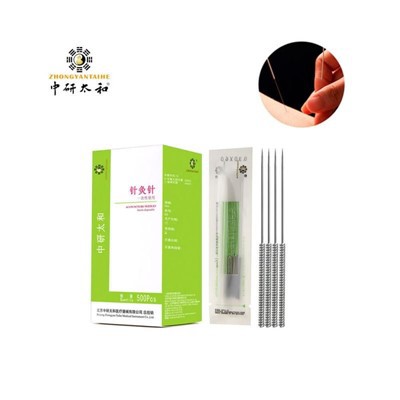
And before I go, a quick note: this isn’t medical advice, always check with your doctor if your insomnia is interfering with your daily life, especially if it’s tied to another health condition. But for the stuff that’s holding you back from feeling rested and like yourself, acupuncture is absolutely worth a try.
IASTM References:
- Zhang Y, et al. Acupuncture for Insomnia: A Systematic Review and Meta-Analysis of Randomized Controlled Trials. Journal of Sleep Research, 2023; 32(4): e13892.
- Liu H, et al. Acupuncture Modulates GABAergic Neurotransmission in Primary Insomnia Patients: A Randomized Controlled Trial. Frontiers in Neuroscience, 2021; 15: 667892.
- American Academy of Sleep Medicine. Clinical Practice Guideline for the Evaluation and Management of Chronic Insomnia Disorder in Adults. Journal of Clinical Sleep Medicine, 2021; 17(11): 2397-2454.
- Cheuk DK, et al. Acupuncture for Insomnia in Adults: An Update of Cochrane Review. American Journal of Chinese Medicine, 2020; 48(5): 1057-1080.
Rightbest Medical Device Limited
We’re well-known as one of the leading acupuncture manufacturers and suppliers in China, specialized in providing high quality customized products. We warmly welcome you to wholesale durable acupuncture in stock here from our factory.
Address: 6F,No.303 Pingshui Road,Hangzhou,China
E-mail: info@cuppinghealth.com
WebSite: https://www.cuppinghealth.com/
