When I walk through our manufacturing floor at our IBC components facility, I don’t just see stainless steel sheets, plastic pallets, and valve assemblies— I see data points. Every weld seam that needs inspection, every valve that’s calibrated for precise flow control, every pallet that’s stacked to maximize warehouse space generates information that, until recently, sat unused in spreadsheets or manual logbooks. As a third-generation IBC components supplier, I’ve spent 15 years building parts that keep bulk liquid shipments safe and compliant, but in the last three, our entire approach to what our products can offer has shifted: we stopped selling just parts, and started selling support for data analytics that makes those parts work harder for our customers. IBC Components
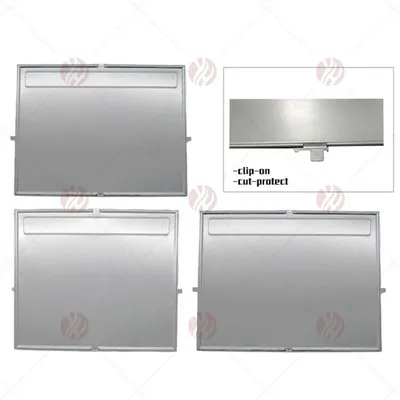
Let me start by explaining what IBC components are, for anyone new here. Intermediate Bulk Containers (IBCs) are the standard for moving and storing industrial liquids—think chemicals, food-grade oils, pharmaceuticals, or even wastewater. Every IBC has a set of core components: the cage, the tote, the valve, the gasket, and often a lid or a manway. For years, suppliers like us sold these parts as replaceable, wear-and-tear items: if a valve leaks, you buy a new one; if a cage bends, you swap it out. But over the last decade, industries that rely on IBCs have grown tired of reactive maintenance. A food and beverage producer losing a batch of edible oil because a faulty valve failed mid-shipment isn’t just out the cost of the oil—they’re looking at thousands in lost product, delays to delivery, and even regulatory fines for contamination. A chemical manufacturer can’t afford an unplanned downtime event that shuts down their entire production line. That’s where data analytics comes in, and that’s what we’ve built our entire support system around.
At its simplest, support for data analytics in IBC components means designing our parts to capture, transmit, and integrate usable data with our customers’ existing systems. That’s not a small ask. For a component to be useful for analytics, it can’t be bulky, it has to withstand harsh environments—think sub-zero warehouses, high-temperature chemical processing lines, or rough transportation over potholed highways—and it has to be affordable enough that every customer, from a small local distributor to a global chemical conglomerate, can adopt it without breaking their budget.
Let’s break this down by the specific components we support, because one size doesn’t fit all. Take the IBC valve, for example. This is the part that controls the flow of liquid, so it’s a critical point of data capture. We now manufacture our standard ball valves with small, embedded sensors that track open/closed status, flow rate, and even vibration levels. The vibration data is particularly useful: a valve that’s vibrating at a consistent, elevated rate usually means it’s starting to wear out, long before it leaks. Our support for this data starts before the sensor is even installed. We work with our customers’ engineering teams to integrate the sensor’s Bluetooth or LoRa connectivity with their Warehouse Management Systems (WMS) or Enterprise Resource Planning (ERP) software. We don’t just send raw data, either—we process it in our cloud portal to flag anomalies. Last quarter, a specialty food client of ours used this valve data to notice that 12% of their valves at their Ohio distribution center had elevated vibration levels. Instead of waiting for a leakage event, they scheduled maintenance during a planned downtime window, saving them an estimated $47,000 in lost product and production delays. That’s the kind of ROI data analytics delivers, and it’s only possible because our valves are designed with that data support from day one.
Next, the IBC cage and pallet. These parts hold the entire container together, so they’re exposed to constant impact from forklifts, stacking, and weather. We’ve started adding small, rugged temperature and shock sensors to our heavy-duty steel cages and high-density plastic pallets. Why? Temperature is a huge issue for temperature-sensitive liquids—think pharmaceutical ingredients that need to stay between 2-8°C, or edible oils that can degrade if exposed to too much heat. Our sensors track temperature at 15-minute intervals, and if it goes outside the approved range, they send an alert to the customer’s logistics team. Shock data is equally important: a pallet that’s been jolted during shipping could have damaged the internal liner of the IBC, which would lead to contamination if the liquid is in food or pharma. Our support here includes not just the sensors, but a web dashboard that maps every shock event to a specific shipment, so our customers can trace where a potential issue occurred. We also provide data sets that integrate with their supply chain analytics tools, helping them identify high-risk routes or loading practices that lead to more damage over time.
Gaskets and seals, the often-overlooked tiny components, are another area where data support has transformed. A failed gasket is the number one cause of IBC leaks, especially for hazardous chemicals. We now produce precision-molded gaskets with embedded micro-sensors that track compression levels and exposure to chemical or UV damage. The compression data tells us when a gasket is wearing out—gaskets need to be replaced every 6 months for most applications, but that’s a one-size-fits-all timeline. With sensor data, a customer can see that a gasket for a high-storage IBC in their chemical plant is holding compression perfectly, so they can extend its life by a few weeks or even months, while a gasket on a shipment route with rough roads might need to be replaced earlier. Our support for this data includes predictive maintenance alerts, and we even have a subscription service where we analyze the gasket data for our customers, flagging not just when to replace a part, but why the wear is happening, so they can adjust their operations accordingly.
But here’s the thing: data analytics isn’t just about sensors. The support we provide goes way beyond hardware. That’s the biggest shift for our company. When a customer buys a valve from us, they used to get a parts manual and a troubleshooting guide. Now, they get access to our data analytics team, a dedicated onboarding specialist, and ongoing support to integrate the data into their systems. Let’s talk about onboarding. We don’t just hand a customer a sensor and say “good luck.” We start with a free audit of their current IBC operations: how many shipments they send a month, what types of liquids they move, their current maintenance schedule, their existing WMS/ERP tools. Then we tailor our data support to their needs. A small craft brewery, for example, doesn’t need the same level of data integration as a global chemical company. We offer tiered support: for small businesses, we have a simple mobile app that sends basic alerts and weekly data summaries, no complex IT setup required. For larger clients, we have our data engineers work directly with their IT teams to build custom APIs, so the sensor data flows seamlessly into their existing dashboards, no double data entry needed.
Ongoing support is equally important. We have a 24/7 help desk specifically for our data analytics services. Last winter, a distributor in Minnesota had a sensor on a batch of anti-freeze that failed mid-shipment, sending incorrect temperature data. Our support team didn’t just tell them to replace the sensor—they walked their logistics team through how to cross-reference the historical data from that sensor with the truck’s own telematics data, to reconstruct the temperature during the trip, and even helped them file a claim with their insurance company using the corrected data. That’s the kind of value that turns a one-time parts buyer into a long-term partner.
Of course, we don’t operate in a vacuum. There are challenges to supporting data analytics for IBC components, and we’ve had to work through them with our customers and our own engineering teams. The first is data security. IBC components often hold hazardous or sensitive liquids, so the data from those parts can be valuable to competitors or bad actors. That’s why we built our data platform with end-to-end encryption, and we never sell our customers’ data to third parties. We also offer on-premises data storage options for clients with the strictest regulatory requirements, so they can keep all the data within their own systems, not ours. The second challenge is interoperability. There are dozens of different WMS and ERP systems on the market, from legacy systems used in 100-year-old manufacturing plants to new cloud-based platforms. We’ve invested in building standard integrations for the most common systems, like SAP, Oracle, and Fishbowl, and our data team is constantly updating our platform to work with new tools, as well as custom integrations for unique client needs.
Another key part of our support is continuous improvement. We don’t just launch a data-enabled component and leave it. Every quarter, we collect feedback from our customers on what data they need most, and we update our components and analytics tools accordingly. For example, two years ago, our pharma clients told us they needed data that complied with FDA Part 11 regulations, which govern electronic records and signatures for pharmaceutical companies. We worked with a third-party regulatory consultant to update our data platform to meet those requirements, so our customers can use our analytics data to meet FDA audit standards, no extra work needed on their end. Last year, our food and beverage clients asked for data that could track batch numbers for traceability, so we added a feature that links every sensor’s data to the IBC’s batch number, making recalls—if they ever happen—faster and more accurate. The time saved in a recall is massive: a 2022 study by the Grocery Manufacturers Association found that food recalls cost an average of $10 million, with a recall of baby formula taking twice as long to process. Our traceability data cuts that time by up to 80%, according to our clients, because they can pinpoint exactly which IBCs are affected in minutes, instead of days.
Now, I want to be clear: we’re not trying to replace the core IBC component. We still make the highest-quality steel cages and precision valves that can withstand the harshest conditions. The data support is an add-on, a way to make those parts do more than just hold liquid. For many of our customers, this has changed their entire business model. A chemical manufacturer in Texas that used to spend $200,000 a year on reactive valve replacements and maintenance now spends $80,000 a year on our data-enabled valves and predictive maintenance, saving more than $100,000 annually while reducing unplanned downtime by 75%. That’s not just a minor improvement—that’s a game-changer.

If you’re reading this and you’re in the business of moving or storing bulk liquids, whether you’re a small craft producer or a large global manufacturer, I’m sure you’re thinking about how to reduce costs, avoid downtime, and stay compliant. Our data analytics support for IBC components isn’t a new fancy tech toy—it’s a practical, proven way to solve real, expensive problems. We’ve spent years refining this system, testing it in thousands of real-world shipments, and working closely with our customers to make sure it works for their specific needs. If you’d like to learn more, or discuss how our components and data support can help your operations, don’t hesitate to reach out to our procurement and sales team. We’d be happy to do a free audit of your current IBC system, no obligations, and walk you through how data analytics can add value for you.
IBC Components References
- Grocery Manufacturers Association. (2022). The Cost of Food Recalls: A Comprehensive Industry Analysis.
- International Organization for Standardization (ISO). (2021). ISO 15005:2021, Road vehicles – Intermodal tank containers for dangerous goods – Data exchange.
- U.S. Food and Drug Administration (FDA). (2023). Part 11 – Electronic Records; Electronic Signatures, Compliance Guide for Pharmaceutical Manufacturers.
Zhenjiang Yuanhai Packaging Co., Ltd.
We’re well-known as one of the leading IBC components manufacturers and suppliers in China, featured by quality products and good price. Please rest assured to buy high-grade IBC components for sale here from our factory. We also accept customized orders.
Address: No. 9, Danwu Road, Dantu District, Zhenjiang City
E-mail: chin_john@msn.com
WebSite: https://www.yhibc.com/
