If you’ve ever stood in a bike shop, staring at a wall of helmets marked “road” and “skate,” you’ve probably wondered: why does one helmet cost $40 and the other $80? And is there actually a real difference? As someone who’s spent the last 10 years supplying skate helmets to riders from local skaters to pro vert competitors, I’ve seen first-hand how the wrong helmet choice can lead to a serious injury – and how the right one saves lives. Let’s break down the key differences between road and skate helmets, so you can pick the right gear for what you ride. Skate Helmet
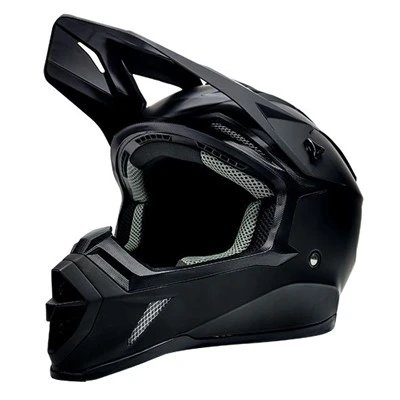
First, let’s start with what helmets are designed to do. At their core, all helmets protect your head by absorbing impact and spreading force across a larger area of your skull. But the way that impact happens for road cyclists vs. skateboarders is totally different. A road helmet is built for forward, linear crashes – think of you sliding on pavement at 20 miles an hour, moving straight ahead, and hitting the ground. A skate helmet? It’s built for multi-directional impacts, which are way more common in skateboarding. When you’re skating, you don’t just fall forward; you might fall sideways, spin off a ramp, or land awkwardly on your head from a grind or trick. That’s why the internal design of a skate helmet is far more robust in areas that take the brunt of those sideways impacts.
Let’s talk about the shell first. Road helmet shells are usually made from a thin, lightweight plastic – often polycarbonate – that’s molded to be aerodynamic. Aerodynamics is king for road cyclists, who are racing for every mile per hour. That thin shell works for linear impacts, because the force of a forward crash is spread along a straight line, and the thin shell can flex just enough to absorb that impact without adding much weight. Skate helmets? Their shells are thicker and more durable. Most of the skate helmets I supply use a denser polycarbonate shell, sometimes even a rubberized outer layer in key impact zones. Why? Because skate impacts are often harder and more abrupt, especially when you fall from a ramp or ledge. If you’re skating a vert ramp and you bail at 15 miles an hour, you might hit your head sideways on the ramp’s coping, or tumble down the ramp multiple times. A thin road helmet shell would crack or even shatter on that kind of impact, leaving your head exposed.
Next, the foam liner. This is the most important part of any helmet, because it’s what actually absorbs the impact to your skull. Road helmets use a foam called expanded polystyrene (EPS), which is lightweight and works great for linear impacts. But not all EPS is the same – road helmets use a lower density EPS because it’s more aerodynamic and lighter, which is better for long rides. Skate helmets, on the other hand, use a higher density EPS, or even a mix of EPS and another material like expanded polypropylene (EPP) in high-impact areas. EPP is denser and more resistant to compression after impact, which means it can absorb multiple hits if you fall and hit your head more than once. That’s a game-changer for skaters, who often go from one fall to another without stopping to change their helmet. I’ve had pro skate team riders tell me they’ve bailed on a rail, hit their head twice, and their skate helmet’s foam still worked like new – if they’d used a road helmet, that foam would have compressed after one hit and lost most of its protective ability.
Then there’s the fit and retention system. Road helmets are designed to be lightweight and secure for hours of riding. Their retention systems are usually a dial or a buckle that fits snugly around the base of your skull, so the helmet doesn’t bounce around when you’re pedaling hard. But because road riders are moving forward most of the time, the helmet sits lower on the back of your head, leaving a bit more exposed area on the sides and front. Skate helmets? They’re designed to cover more of the head, especially the temples and the back of the skull – those are the areas that take the most impact in skate falls. The retention system on a skate helmet is also more robust; it’s not just for keeping the helmet from bouncing, it’s for keeping it in place when you’re tumbling. When you fall sideways, your head might twist or roll, so the straps on a skate helmet are wider and have more padding around the ears and cheeks to distribute the force of that twist. I’ve seen road helmets slip off completely during a tumble, but skate helmets stay in place because their retention system is built for those multi-directional forces.
Ventilation is another big difference. Road helmets have tons of vents – some have 20 or more – because cyclists ride at high speeds for long periods, and overheating is a big issue. All those vents let air flow through the helmet, cooling your head down so you don’t get tired. Skate helmets have far fewer vents, and those vents are smaller. Why? Because skateboarding often happens at slower speeds, and when you’re tumbling, vents can let debris, water, or even small rocks get into the helmet. Also, the thicker shell and denser foam of skate helmets mean less heat builds up, so ventilation isn’t as critical. I’ve heard from new skaters who first use road helmets complain about their head getting sweaty after 10 minutes of skating, but with a skate helmet, that problem goes away because the ventilation is tailored to how fast and how long you’re skating.
Now, let’s talk about durability and certification. This is where a lot of people get confused – they think all helmets are certified the same, but they’re not. Road helmets are usually certified by organizations like the Consumer Product Safety Commission (CPSC) for bicycle impacts, which only test linear impacts. Skate helmets, though, have to meet a different certification – most are certified for multi-directional impacts, often by the CPSC for skateboarding or the Snell Memorial Foundation’s specific skate helmet standard. That means skate helmets have to pass tests where the impact comes from different angles, not just straight on. Some advanced skate helmets even have MIPS (Multi-directional Impact Protection System) technology, which is a low-friction layer inside the helmet that lets the skull rotate slightly during an impact – reducing the risk of traumatic brain injury, which is super common in skate falls. Road helmets rarely have MIPS, because they’re designed for linear impacts, where rotation isn’t as big of a risk.
I’ve seen so many new skaters make the mistake of buying a road helmet because it’s cheaper, only to get hurt when they fall. A friend of mine started skating last year, bought a $40 road helmet, and bailed on a half-pipe. He hit his head sideways, and the road helmet’s thin shell cracked, the foam compressed, and he ended up with a concussion. Then he switched to one of our skate helmets, and last month he bailed again – this time hitting his head on a concrete ledge – and walked away with just a small scratch. That’s the difference. Road helmets are built for one type of impact, skate helmets for the messy, multi-directional falls that are part of skating.
But wait – does that mean a skate helmet is better for every activity? No, not at all. If you’re a road cyclist who never falls sideways, a road helmet is fine, and it’s lighter and more aerodynamic. If you’re a mountain biker, you might want a helmet that’s somewhere in between, but skate helmets aren’t designed for the high-speed, long-distance rides that road cyclists do. They’re heavier and less aerodynamic, so they’d slow you down on a 50-mile ride. But if you’re skating street, vert, park, or even just cruising around a skate spot, a skate helmet is non-negotiable.
Another thing I’ve noticed over the years: style. Skate helmets come in way more colors, patterns, and designs than road helmets, which are usually plain black, white, or gray. That’s not just for looks – skaters want their helmet to match their board, their shoes, their style. The skate helmets I supply come in everything from neon pink to custom graphics, so riders can look good and stay safe. Road helmets are all about function, but skate helmets blend function with the culture of skateboarding, which is just as important for a lot of riders.
Let’s also talk about when to replace your helmet. Road helmets should be replaced every 3-5 years, even if you don’t crash, because the EPS foam breaks down over time. Skate helmets? You should replace them after one big crash, even if the outside looks fine, because the EPS foam compresses and can’t absorb another impact. That’s another difference – skate helmets are designed to take one big hit and then be replaced, while road helmets are designed to last longer because they’re for long, low-impact rides. That makes sense when you think about how each sport works: a skater might have multiple hard falls in a year, while a road cyclist might only have one crash every few years.
I get asked all the time: “Can I use a skate helmet for cycling?” Technically, yes, but it’s not ideal. It’s heavier, less aerodynamic, and has less ventilation than a road helmet, so you’ll be uncomfortable on long rides. But if you’re a casual cyclist who only rides around the neighborhood, a skate helmet will work for short, slow rides. The reverse? Don’t do it. Using a road helmet for skating is a bad idea, as my friend learned. The road helmet isn’t built to protect against sideways or multiple impacts, so you’re putting your head at risk.
At the end of the day, the choice between a road helmet and a skate helmet comes down to what activity you’re doing. If you’re skating, BMX, or any sport where falls are multi-directional and abrupt, you need a skate helmet. If you’re road cycling, you need a road helmet. But as someone who’s been in the skate helmet business for a decade, I can tell you this: nothing is more important than protecting your head when you’re skating. The extra $40 or $50 you spend on a good skate helmet is worth way more than the risk of a serious injury.

If you’re looking for high-quality skate helmets designed for every type of skating – street, park, vert, and more, feel free to reach out to discuss bulk ordering. We work with skate shops, teams, and organizations to provide durable, certified helmets that meet the needs of any skater. Whether you’re just starting out or you’re a pro, we’ve got the gear to keep you safe while you push your limits. Let’s talk about how we can support your needs.
Ski Helmet References:
- Snell Memorial Foundation. "Skate Helmet Standard".
- Consumer Product Safety Commission. "Bicycle and Skate Helmet Safety Requirements".
- Journal of Safety Research, Volume 54, 2015. "Head Impact Protection in Skateboarding: A Comparison of Road and Skate Helmet Performance".
- American Academy of Pediatrics. "Helmet Use for Recreational Activities in Children".
Spirit Sports (HK) Co., Ltd.
We are one of the most professional skate helmet manufacturers and suppliers in China. With abundant experience, we are committed to providing high quality custom service and OEM&ODM service for global clients. Please feel free to wholesale bulk high quality skate helmet at competitive price from our factory.
Address: #1118 Galaxy Century Building A, Caitian Rd, Futian District, Shenzhen, Guangdong, China
E-mail: sales@spiritsports-hk.com
WebSite: https://www.helmet-supplier.com/
