Hey there! I’m a supplier in the CNC turning business, and I know how crucial it is to pick the right clamping device for your CNC turning operations. Today, I want to share some tips with you on how to do just that. CNC Turning
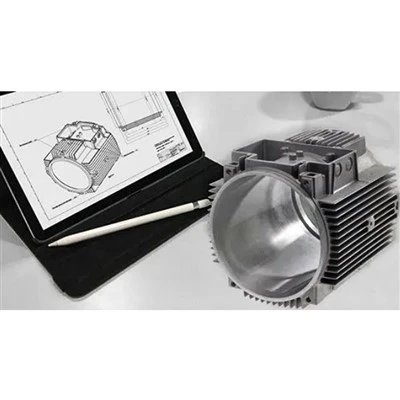
Let’s start with the basics. What exactly is a clamping device in CNC turning? Well, it’s the tool that holds your workpiece firmly in place while the CNC lathe does its magic. Without a proper clamping device, your workpiece can move around during machining, leading to inaccurate cuts, poor surface finish, and even damage to the tool or the machine itself.
Understanding Your Workpiece
The first thing you need to consider when selecting a clamping device is your workpiece. You’ve got to look at its shape, size, and material. For example, if you’re working with a round workpiece, a chuck might be your best bet. Chucks come in different types, like three – jaw chucks and four – jaw chucks.
A three – jaw chuck is great for round and hexagonal workpieces. It’s self – centering, which means it can quickly and easily grip the workpiece in the center of the lathe axis. This is super handy when you need to make symmetric cuts. On the other hand, a four – jaw chuck gives you more flexibility. You can adjust each jaw independently, so it’s perfect for irregularly shaped workpieces.
If you’re dealing with long, thin workpieces, a collet might be a better option. Collets can grip the workpiece tightly along its length, reducing the chances of it bending or vibrating during machining. They come in different sizes and can be used for a variety of materials, from metals to plastics.
The material of your workpiece also matters. Soft materials like aluminum might require a different type of clamping force compared to harder materials like steel. For soft materials, you want to avoid over – clamping, which can cause the workpiece to deform. You might use a clamping device with a more gentle grip. For harder materials, you need a clamping device that can hold the workpiece firmly in place to withstand the cutting forces.
Considering the Machining Operation
The type of machining operation you’re going to perform also plays a big role in choosing the right clamping device. If you’re doing simple facing or turning operations, a basic chuck might be sufficient. However, if you’re doing more complex operations like threading or milling on a turning center, you need a clamping device that can provide more stability and accuracy.
For example, when threading, any movement of the workpiece can result in an incorrect thread pitch. So, you might need a high – precision chuck or a specialized threading fixture. Milling on a turning center requires a clamping device that can hold the workpiece securely from multiple angles, as the cutting forces are more complex compared to simple turning.
Evaluating the Clamping Force
Clamping force is another important factor. You need to make sure that the clamping device can provide enough force to hold the workpiece in place without damaging it. Too little clamping force, and the workpiece can move during machining. Too much clamping force, and you risk deforming the workpiece or even breaking it.
The clamping force you need depends on the cutting forces generated during machining. You can calculate the cutting forces based on the material, the cutting speed, the feed rate, and the depth of cut. Once you have an estimate of the cutting forces, you can choose a clamping device with an appropriate clamping force rating.
Some clamping devices allow you to adjust the clamping force. For example, hydraulic chucks use hydraulic pressure to adjust the clamping force. This gives you more control over the clamping process, especially when dealing with different workpieces or machining operations.
Machine Compatibility
You also need to make sure that the clamping device is compatible with your CNC turning machine. Different machines have different spindle sizes and configurations, so you need to choose a clamping device that can fit onto your machine’s spindle.
Check the mounting dimensions of the clamping device and compare them with the dimensions of your machine’s spindle. Some machines might require a special adapter to use a particular clamping device. Make sure to consider this when making your selection.
The speed ratings of the clamping device and the machine also need to match. If you try to run a clamping device at a higher speed than its rated speed, it can become unbalanced and cause vibrations, which can affect the quality of your machining.
Cost and Maintenance
Cost is always a consideration. You don’t want to overspend on a clamping device, but you also don’t want to buy a cheap one that will break down after a few uses. Look for a clamping device that offers a good balance between cost and quality.
Think about the long – term costs as well. Some clamping devices require more maintenance than others. For example, a mechanical chuck might need regular lubrication and adjustment to keep it working properly. A hydraulic chuck, on the other hand, might require more expensive hydraulic fluid and regular maintenance of the hydraulic system.
Personal Experience and Recommendations
Over the years, I’ve seen a lot of different clamping devices in action. I remember one time when a customer came to me with a problem. They were using a standard three – jaw chuck for a complex turning operation, and they were getting inconsistent results. After talking to them and looking at their workpiece and the machining process, I recommended a four – jaw chuck. Once they switched to the four – jaw chuck, they were able to get much more accurate and consistent cuts.
Another thing I’ve learned is that it’s always a good idea to test a clamping device before you commit to using it for a large – scale production run. You can do a few test pieces to see how the clamping device performs in terms of holding the workpiece, the quality of the cuts, and the ease of use.
Conclusion and Call to Action
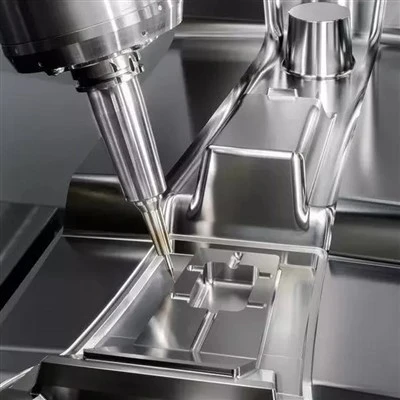
Selecting the right clamping device for CNC turning is not a one – size – fits – all process. You need to consider your workpiece, the machining operation, the clamping force, machine compatibility, cost, and maintenance. By taking all these factors into account, you can choose a clamping device that will help you achieve high – quality machining results and improve your productivity.
Precision CNC Machining If you’re still not sure which clamping device is right for your needs, or if you want to learn more about our range of CNC turning products and services, don’t hesitate to reach out. We’d be more than happy to have a chat with you, answer your questions, and help you make the best choice for your business.
References
- "CNC Turning Handbook" by an industry expert in machining technology
- Technical documentation from leading clamping device manufacturers
Shenzhen Shunhaoda Technology Co., Ltd.
With abundant experience, we are one of the most professional CNC turning manufacturers and suppliers in China. If you’re going to buy bulk high quality CNC turning made in China, welcome to get free sample from our factory. Also, custom service is available.
Address: 902, Building A3, Tianrui Industrial Park, No. 35 Fuyuan 1st Road, Zhancheng Community, Fuhai Street, Bao’an District, Shenzhen
E-mail: sales@shdindustry.com
WebSite: https://www.shd-industry.com/
