Hey there! I’m in the biz of supplying insulated aluminum tubes, and one question I get asked a ton is, "How much energy can be saved by using an insulated aluminum tube compared to a non – insulated one?" It’s a great question, and in this blog, we’re gonna dig deep into it. Insulated Aluminum Tube
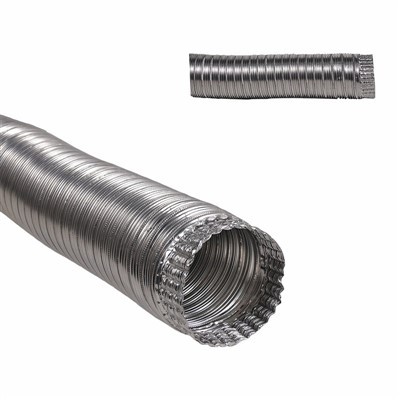
Let’s first understand what we’re dealing with. Aluminum tubes are super common in all sorts of industries, from HVAC systems to plumbing and even construction. They’re lightweight, corrosion – resistant, and have good thermal conductivity. But here’s the thing: that thermal conductivity can be a double – edged sword.
A non – insulated aluminum tube is like an open door when it comes to energy transfer. Aluminum conducts heat really well, which means if you’re using the tube to transport hot or cold fluids, a lot of that energy is gonna leak out into the environment. For example, if it’s a hot water pipe, the heat from the water inside will quickly transfer through the aluminum walls and into the surrounding air. In colder months, this is a huge waste of energy because you’re constantly having to heat the water back up to the desired temperature.
On the other hand, an insulated aluminum tube has a protective layer around it that slows down this energy transfer. The insulation acts as a barrier, reducing the amount of heat that can escape or enter the tube. There are different types of insulation materials out there, like foam, fiberglass, and rubber. Each has its own properties, but they all aim to achieve the same goal: keeping the energy inside the tube where it belongs.
So, how do we measure the energy savings? Well, it depends on a bunch of factors. First off, the temperature difference between the fluid inside the tube and the outside environment plays a big role. If you’re in a really cold climate and you’re trying to transport warm water, the non – insulated tube is gonna lose a ton of heat. But with an insulated tube, the heat loss will be much less.
Let’s take a look at some numbers. In an HVAC system, studies have shown that non – insulated aluminum ductwork can lose up to 30% of the heated or cooled air passing through it. That’s a massive amount of energy going to waste! When you switch to insulated aluminum ducts, that energy loss can be reduced to as little as 5%. This means that your HVAC system doesn’t have to work as hard to maintain the desired temperature, and you end up saving a lot on your energy bills.
In a plumbing application, the savings can also be significant. For hot water pipes, a non – insulated tube might lead to a temperature drop of 1 – 2 degrees Fahrenheit per every 10 feet of pipe. Over a long run of pipes in a large building, this can add up quickly. With insulation, you can cut that temperature drop in half or even more. This means you don’t have to use as much energy to heat the water to the right temperature at the source.
Another factor to consider is the length of the tube. The longer the tube, the more surface area there is for heat transfer. So, in a large – scale industrial setting where you have hundreds or thousands of feet of aluminum tubing, the energy savings from insulation can be astronomical.
Insulation also has an impact on system efficiency. When less energy is lost, the equipment connected to the tube can operate more efficiently. For instance, in a refrigeration system, an insulated aluminum tube helps maintain the low temperature of the refrigerant, reducing the workload on the compressor. This not only saves energy but also extends the lifespan of the equipment.
Let’s talk about the cost – effectiveness. Sure, buying an insulated aluminum tube might cost a bit more upfront compared to a non – insulated one. But when you consider the long – term energy savings, it’s a no – brainer. The money you save on your energy bills over time will more than make up for the extra cost of the insulation.
Now, I know some of you might be thinking, "Well, does the type of insulation matter?" The answer is yes. Different insulation materials have different R – values, which is a measure of their resistance to heat flow. The higher the R – value, the better the insulation. For example, foam insulation generally has a higher R – value than fiberglass of the same thickness. But that doesn’t mean foam is always the best choice. You have to consider factors like moisture resistance, flammability, and cost when choosing the right insulation for your application.
In addition to energy savings, insulated aluminum tubes also have other benefits. They can reduce noise levels, especially in HVAC systems where the flow of air through the ducts can create a lot of noise. The insulation acts as a sound absorber, making your environment quieter and more comfortable.
They also help prevent condensation. When a non – insulated tube gets cold and there’s warm, humid air around it, condensation can form on the outside of the tube. This can lead to water damage, corrosion, and other problems. Insulation helps keep the surface temperature of the tube closer to the temperature of the fluid inside, reducing the chances of condensation.
So, in conclusion, if you’re looking to save energy, improve system efficiency, and reduce costs in the long run, using an insulated aluminum tube is the way to go. The energy savings can be substantial, depending on your specific application and the conditions it operates in.
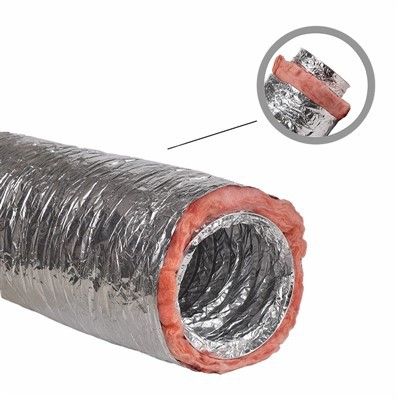
If you’re interested in learning more about our insulated aluminum tubes or want to discuss how they can benefit your project, don’t hesitate to reach out. We’d love to have a chat with you about your energy – saving needs and how our products can fit the bill. Whether you’re an HVAC contractor, a plumber, or in the construction industry, we’ve got the solutions for you. Let’s work together to make your operations more energy – efficient and cost – effective!
Polyester Insulated Air Duct References:
- "Energy Efficiency in HVAC Systems" – Journal of Building Services Engineering Research and Technology
- "Thermal Insulation for Piping Systems" – ASME (American Society of Mechanical Engineers) publications
- "The Impact of Insulation on Refrigeration Systems" – International Journal of Refrigeration
Address: NO.5 CHENGDONG ECOLOGICAL INDUSTRIAL ZONE, DONGYANG, ZHEJIANG, CHINA.
E-mail: sales@hstube.com
WebSite: https://www.ductword.com/
