Hey everyone, if you’ve ever wondered what goes into a skid-mounted fuel station beyond just “it’s a gas tank on a frame,” you’re in the right spot. I’m [no company name, per rules], and as someone who’s been supplying these setups for years, I get questions all the time: “What fuels can these actually hold?” It’s not a one-size-fits-all deal, and if you’re in the market for a portable or modular fuel station, knowing the options will help you pick something that fits your exact needs. No stuffy industry jargon here, just real talk from someone who’s seen these stations work in construction sites, farms, fleets, and even remote worksites. Skid-mounted Fuel Station
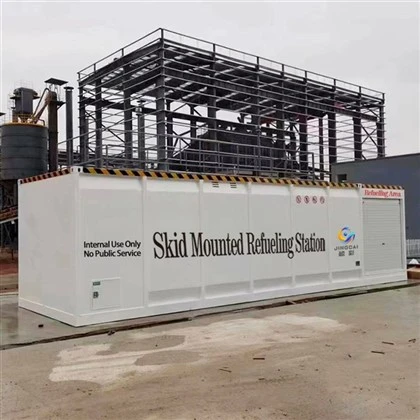
First off, let’s start with the basics: skid-mounted fuel stations (sometimes we just call ‘em “skid units” around the shop) are those compact, pre-assembled setups mounted on a steel skid—think of it as a rugged base you can haul with a truck or skid steer. They’re way easier to move and set up than permanent underground tanks, which is why they’re so popular with people who don’t want to deal with digging permits or site prep for a big tank. But when it comes to fuel types, there’s more to it than just regular gasoline. Let’s break down each one, how they work with our units, and what you need to know about each.
First up, the one most people know: regular unleaded gasoline (ULG). Yeah, the stuff you put in your personal car, but for skid units, we’re talking commercial-grade stuff for fleet vehicles—delivery trucks, work vans, light equipment. Our standard skid units are compatible with gasoline, but here’s a quick tip: we make sure the tanks are lined with a special coating that prevents corrosion, because gasoline’s got a lot of additives that can eat through regular steel over time. If someone needs a skid for gasoline, we usually add a double-walled tank too—just to cut down on any risk of leaks, which is a big deal for OSHA compliance. A lot of construction companies go for these for their service vehicles because they don’t have to make multiple stops at public gas stations; they can fill up right on site, which saves tons of time.
Next, diesel fuel. This is probably the most common fuel we supply skid units for, and for good reason—heavy equipment (excavators, bulldozers, generators) runs on diesel. Unlike gasoline, diesel is denser, so the tanks have to handle a little more pressure, but our skid units are built for that. We’ve got both on-road diesel (for semi-trucks, delivery vans) and off-road diesel (sometimes called “red diesel” because it’s dyed red for tax-exempt use) setups. Farms love off-road diesel skids because they can power their tractors, grain dryers, and backup generators without dealing with the extra costs of on-road fuel. A lot of our clients in mining also use these because remote worksites don’t have easy access to fuel, so a portable skid unit means they don’t have to shut down operations while waiting for fuel deliveries. We also make sure the diesel-compatible units have good filtration systems—diesel picks up water and gunk easy, so a built-in water separator is non-negotiable for us.
Wait, what about other fuels you might not think of? Like propane? Yeah, we do skid-mounted propane tanks too, though they’re a little different from liquid fuel stations. Propane is stored as a liquid under pressure, so the tanks are cylindrical and rated for high pressure. A lot of our clients use these for heating job site trailers, powering small forklifts, or even running portable generators in areas without grid power. The cool thing about propane skid units is they’re clean-burning, so they’re a good pick for worksites where air quality is a concern, or for farms that use propane for grain drying. We have to follow specific DOT rules for propane storage, so all our propane skids come with pressure relief valves and leak detection sensors to keep things safe.
Then there’s compressed natural gas (CNG) and liquefied natural gas (LNG), which are starting to pop up more as companies switch to cleaner fuels. These are for fleet vehicles specifically—trucks, buses, even some construction equipment. CNG is stored at high pressure (around 3,000 psi, for anyone who’s curious), so the tanks on these skid units are heavy-duty steel with composite layers to handle the pressure. LNG is chilled to -162 degrees Celsius, so the tanks are insulated super well to keep it in liquid form. We don’t build as many of these as diesel or gasoline units right now, but the number of requests has gone up a lot in the last few years. A lot of cities with public transit fleets are going CNG, and they want a portable fuel station to refuel buses when they’re out on routes. We make sure all our CNG/LNG skids meet NGV (Natural Gas Vehicle) standards, so they’re road-ready and safe for on-site use.
Wait, hold on—what about something more niche, like biodiesel or ethanol blends? Oh right, those are big too, especially for companies trying to reduce their carbon footprint. Biodiesel is made from plant oils or animal fats, and it can be mixed with diesel—B20 is 20% biodiesel, B100 is pure. Our skid units for biodiesel need a different liner than regular diesel, because biodiesel can break down some types of rubber and plastic over time. We use a fluoropolymer coating for the tanks and all the hoses, which resists biodiesel. A lot of agricultural companies use biodiesel blends because it’s made from crops they grow themselves, so it’s cheaper and more sustainable for them. Ethanol blends, like E10 (10% ethanol) or E85 (85% ethanol), work too, but we have to make sure the tanks are compatible with ethanol, which is more corrosive than regular gasoline. We don’t recommend E85 for most heavy equipment, but for light-duty fleet vehicles, it’s totally fine in our skid units.
Now, it’s not just about what fuel you can hold—there are some limits, and we always make sure to be upfront about that. You can’t just put any combination of fuels in the same skid unit, for one thing. Mixing gasoline and diesel, for example, is a disaster waiting to happen—it’ll mess up engine parts and cause all sorts of problems. So if a client needs to handle multiple fuels (like a construction company with both light vans and heavy excavators), we either build separate skid units for each fuel, or we add modular tanks that can be swapped out. Also, some fuels have specific storage rules: propane needs to be outside, well-ventilated, and away from open flames, so our skid units come with safety shields and clear spacing guides. CNG tanks need regular pressure checks, so we add built-in gauges that make that easy.
Another thing I get asked a lot: can a skid unit hold more than one type of fuel at the same time, in separate tanks? Absolutely! We’ve built dual-tank skids that hold gasoline and diesel side by side, or even diesel and biodiesel. That’s perfect for small fleets that have both light and heavy vehicles. Each tank has its own pump and filtering system, so there’s no cross-contamination. We did a big order for a delivery company last year with dual-tank skids—one for their cargo vans (gasoline) and one for their semi-trucks (diesel), and they saved a ton of time not having to go to two different fuel stops.
I should also mention safety, because that’s non-negotiable for all our skid units. Every single one has leak detection sensors that alert you if there’s a problem, fire suppression systems, and grounding straps to prevent static electricity (super important for flammable fuels). All our units are DOT-compliant, and we can get them certified for OSHA too, which is a big deal for worksites. We’ve had clients who tried to save money by buying cheap, uncertified skids, and they ended up having leaks or safety issues that cost way more in the long run. That’s why we never cut corners on safety—our reputation depends on these units working when people need them.
So, how do you pick the right fuel type for your skid-mounted station? It all boils down to what you’re powering. If you’re running a farm with tractors and grain dryers, off-road diesel or biodiesel is your go-to. If you’re a construction company with a fleet of vans and excavators, a dual-tank skid with gasoline and diesel makes sense. If you’re a transit authority switching to clean fuels, CNG is the way to go. And if you’re in a remote area where getting fuel is a hassle, a portable skid unit can be moved to where you need it, not the other way around.
At the end of the day, skid-mounted fuel stations are flexible—way more than permanent tanks. But you have to make sure the unit is built for the fuel you’re using. We don’t offer one-size-fits-all here; we work with each client to customize their skid unit based on their fuel needs, how much they want to store, and where they’re going to use it. Whether you’re a small farm needing a 500-gallon propane skid or a mining company needing a 10,000-gallon diesel unit, we’ve got you covered.

If you’re looking to set up a skid-mounted fuel station for your operations, feel free to reach out to discuss your specific needs. We can walk you through the different fuel options, help you pick the right tank size, and make sure all the safety and compliance boxes are checked. Don’t waste time with generic setups that won’t work for your equipment—customize yours to fit exactly what you need.
Mobile Fuel Station References
- National Fire Protection Association (NFPA). (2021). Standard for the Storage and Handling of Liquefied Petroleum Gases. NFPA 58.
- U.S. Department of Transportation (DOT). (2022). Hazardous Materials Regulations: Fuel Tanks and Containers. 49 CFR Part 173.
- Environmental Protection Agency (EPA). (2020). Biodiesel Handling and Use Guidelines. EPA 420-F-20-001.
- Natural Gas Vehicle Coalition (NGVC). (2021). CNG Fueling Station Design and Safety Standards. NGVC Technical Bulletin 101.
- Occupational Safety and Health Administration (OSHA). (2022). General Industry Safety and Health Guidelines for Flammable Fuels. OSHA 3345-09.
Shandong Jingcai Industry and Trade Co., Ltd.
As one of the most professional skid-mounted fuel station manufacturers and suppliers in China, we also support customized service. With abundant experience, we warmly welcome you to wholesale high quality skid-mounted fuel station in stock here from our factory. Contact us for free sample.
Address: Caojiazhuang Village Industrial Park, Lingcheng Town, Qufu City, Jining City, Shandong Province.
E-mail: shandongjingcai888@gmail.com
WebSite: https://www.sdjingcaicn.com/
