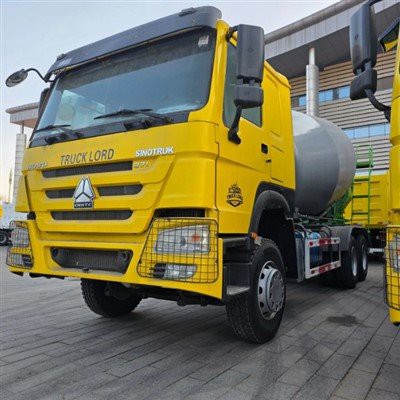
As a supplier of concrete pump trucks, I’ve witnessed firsthand the critical role that the hydraulic system plays in these powerful machines. In this blog, I’ll delve into the significance of the hydraulic system in a concrete pump truck, exploring its functions, components, and impact on overall performance. Concrete Pump Truck
Understanding the Basics of a Concrete Pump Truck
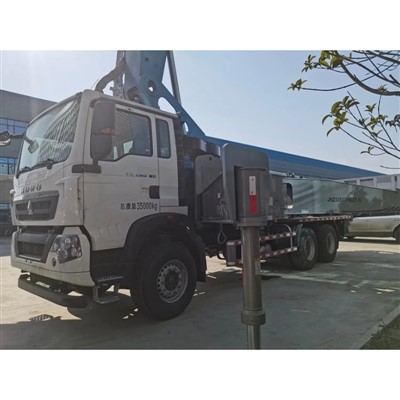
Before we dive into the hydraulic system, let’s briefly understand what a concrete pump truck is. A concrete pump truck is a specialized vehicle designed to transport and pour concrete at construction sites. It consists of a chassis, a boom, and a pumping system. The boom is a long, articulated arm that can reach high and far to deliver concrete precisely where it’s needed. The pumping system, on the other hand, is responsible for moving the concrete from the hopper to the end of the boom.
The Role of the Hydraulic System
The hydraulic system is the heart of a concrete pump truck. It provides the power and control necessary to operate the boom and the pumping system. Here are some of the key roles of the hydraulic system:
Power Transmission
One of the primary functions of the hydraulic system is to transmit power from the engine to the various components of the concrete pump truck. The engine drives a hydraulic pump, which pressurizes the hydraulic fluid. This pressurized fluid is then used to operate the cylinders that control the movement of the boom and the pumping system. By using hydraulic power, the concrete pump truck can generate a large amount of force with relatively small components, making it more efficient and compact.
Boom Movement
The hydraulic system is responsible for controlling the movement of the boom. The boom consists of multiple sections that can be extended, retracted, and rotated. The hydraulic cylinders are used to move these sections, allowing the boom to reach different heights and angles. This flexibility is essential for pouring concrete in various construction scenarios, such as high-rise buildings, bridges, and foundations.
Pumping System Operation
The hydraulic system also plays a crucial role in the operation of the pumping system. The pumping system consists of a hopper, a pumping unit, and a delivery pipe. The hydraulic cylinders are used to drive the pistons in the pumping unit, which push the concrete through the delivery pipe. The hydraulic system ensures that the concrete is pumped at a consistent rate and pressure, ensuring a smooth and efficient pouring process.
Control and Precision
The hydraulic system provides precise control over the movement of the boom and the pumping system. The operator can use the control panel to adjust the speed, direction, and force of the hydraulic cylinders, allowing for accurate placement of the concrete. This precision is essential for ensuring the quality and safety of the construction project.
Components of the Hydraulic System
The hydraulic system of a concrete pump truck consists of several key components, each playing a specific role in the operation of the system. Here are some of the main components:
Hydraulic Pump
The hydraulic pump is the heart of the hydraulic system. It is responsible for pressurizing the hydraulic fluid and delivering it to the various components of the system. There are different types of hydraulic pumps, including gear pumps, vane pumps, and piston pumps. The type of pump used depends on the specific requirements of the concrete pump truck.
Hydraulic Cylinders
The hydraulic cylinders are used to convert the hydraulic pressure into mechanical force. They are responsible for moving the boom and the pumping system. The cylinders consist of a piston, a cylinder barrel, and a rod. When the hydraulic fluid is pressurized, it pushes the piston, which in turn moves the rod. This movement is used to operate the various components of the concrete pump truck.
Hydraulic Valves
The hydraulic valves are used to control the flow and direction of the hydraulic fluid. They are responsible for regulating the pressure, flow rate, and direction of the fluid in the system. There are different types of hydraulic valves, including directional control valves, pressure control valves, and flow control valves. The valves are typically controlled by the operator using the control panel.
Hydraulic Reservoir
The hydraulic reservoir is used to store the hydraulic fluid. It provides a source of fluid for the hydraulic system and helps to cool and filter the fluid. The reservoir is typically located near the hydraulic pump and is connected to the system by a series of pipes.
Hydraulic Hoses and Fittings
The hydraulic hoses and fittings are used to connect the various components of the hydraulic system. They are responsible for transporting the hydraulic fluid from the pump to the cylinders and valves. The hoses and fittings must be strong and flexible to withstand the high pressure and movement of the system.
Impact on Performance
The hydraulic system has a significant impact on the performance of the concrete pump truck. A well-designed and maintained hydraulic system can improve the efficiency, reliability, and safety of the machine. Here are some of the ways in which the hydraulic system affects performance:
Efficiency
A properly functioning hydraulic system can improve the efficiency of the concrete pump truck by reducing energy consumption and increasing the speed of operation. The hydraulic system allows for precise control over the movement of the boom and the pumping system, which can reduce the time and effort required to pour concrete.
Reliability
The hydraulic system is a critical component of the concrete pump truck, and its reliability is essential for the smooth operation of the machine. A well-maintained hydraulic system can reduce the risk of breakdowns and downtime, ensuring that the concrete pump truck is always ready for use.
Safety
The hydraulic system plays a crucial role in the safety of the concrete pump truck. It provides precise control over the movement of the boom and the pumping system, which can prevent accidents and injuries. The hydraulic system also includes safety features such as pressure relief valves and emergency stop buttons, which can help to protect the operator and the machine.
Conclusion
In conclusion, the hydraulic system is a vital component of a concrete pump truck. It provides the power and control necessary to operate the boom and the pumping system, ensuring efficient and precise concrete pouring. As a supplier of concrete pump trucks, we understand the importance of a reliable and high-performance hydraulic system. We offer a range of concrete pump trucks with advanced hydraulic systems that are designed to meet the needs of our customers.
Concrete Mixer Truck If you’re in the market for a concrete pump truck, we invite you to contact us to discuss your requirements. Our team of experts can help you choose the right machine for your project and provide you with the support and service you need to keep it running smoothly. Don’t hesitate to reach out to us for more information and to start the procurement process.
References
- Fluid Power Handbook, edited by Thomas G. Beck
- Hydraulic Systems and Fluid Power, by Donald G. Newell
- Concrete Pumping Handbook, by the National Ready Mixed Concrete Association
Shandong Fuxin Automobile Technology Co., Ltd.
We’re well-known as one of the leading concrete pump truck manufacturers and suppliers in China, featured by quality products and good price. Please rest assured to buy advanced concrete pump truck made in China here from our factory. Contact us for more details.
Address: West of Nanshou Road, Beihai Road, Weifang City, Shandong Province
E-mail: h17616861003@gmail.com
WebSite: https://www.fuxinautomobile.com/
