Hey there! I’m a supplier of flexible cables, and I’ve been in the business for quite a while. You know, choosing the right flexible cable can be a real headache sometimes. There are so many factors to consider, and it’s not always clear what you should be looking for. So, in this blog post, I’m gonna share some tips on how to choose a flexible cable that fits your needs. Flexible Cable

Understand Your Requirements
First things first, you need to have a clear idea of what you’re going to use the flexible cable for. Are you using it in a machine? Maybe for a robot, or some kind of automation equipment? Or is it for a home electronics project? Different applications have different requirements.
For example, if you’re using the cable in a machine that moves a lot, like a robotic arm, you’ll need a cable that can withstand repeated bending and flexing without breaking. These cables usually need to have a high number of flex cycles, which means they can be bent and straightened many times without damage. On the other hand, if it’s for a stationary home electronics setup, you might not need such a high-flex cable. You can focus more on factors like the cable’s tolerance to environmental conditions, such as temperature and humidity.
Check the Cable’s Specifications
Once you know your requirements, it’s time to look at the cable’s specifications. Here are some important ones to pay attention to:
Conductor Material
The conductor is the part of the cable that carries the electrical current. Copper is the most common material for conductors because it has excellent electrical conductivity. There are different types of copper, too. For example, oxygen-free copper (OFC) has even better conductivity and is less prone to corrosion. So, if you need a cable for high – performance applications, like in audio systems where signal quality is crucial, OFC might be a good choice.
Insulation Material
Insulation is what protects the conductor and prevents electrical short – circuits. There are various insulation materials, and each has its own properties. PVC (polyvinyl chloride) is a popular choice because it’s affordable and offers good general – purpose insulation. However, if you need a cable for high – temperature environments, PVC might not be the best option. In that case, materials like PTFE (polytetrafluoroethylene) or silicone rubber can handle higher temperatures better.
Cable Diameter
The diameter of the cable is also important. A thicker cable usually means it can carry more current, but it might also be less flexible. So, you need to find a balance. For applications where space is limited, like in small electronics, you’ll want a thinner cable. But if you’re dealing with high – power applications, you might need a thicker cable to handle the current without overheating.
Stranding
The way the conductors are stranded can affect the cable’s flexibility. There are two main types of stranding: solid and stranded. Solid conductors are made of a single piece of metal, and they’re more rigid. Stranded conductors, on the other hand, are made up of multiple small wires twisted together, which makes them much more flexible. So, if you need a cable that can bend easily, go for a stranded conductor.
Consider the Environment
The environment where the cable will be used is a major factor in the selection process.
Temperature
Extreme temperatures can have a big impact on the performance of a flexible cable. In cold environments, some insulation materials can become brittle and crack, while in hot environments, the cable might overheat. Make sure to choose a cable that has a temperature rating suitable for the environment. For example, if you’re in a place with very cold winters, you’ll want a cable with a low – temperature rating.
Moisture and Humidity
Moisture can cause corrosion in the conductors and damage the insulation. If the cable will be used in a damp or humid environment, like in a bathroom or near a water source, look for a cable with good moisture – resistance. This could mean cables with waterproof jackets or special anti – corrosion coatings.
Chemical Exposure
In some industrial settings, the cable might be exposed to chemicals. Different chemicals can react with the cable’s materials in different ways. For example, some chemicals can dissolve the insulation or corrode the conductors. If you expect the cable to be exposed to chemicals, choose a cable that is resistant to those specific chemicals.
Evaluate the Manufacturer’s Reputation
The manufacturer of the flexible cable matters a lot. You want to work with a company that has a good reputation for quality.
Quality Control
A reliable manufacturer will have strict quality control measures in place. They’ll test the cables at different stages of production to ensure they meet the required standards. You can ask for information about their quality control processes, like if they test the cables for electrical performance, flexibility, and environmental resistance.
Certifications
Look for cables that have relevant certifications. For example, in the European Union, cables need to meet certain safety and environmental standards, and they’ll often have CE certification. Other important certifications include UL (Underwriters Laboratories) certification in the United States for safety, and RoHS (Restriction of Hazardous Substances) certification to ensure the cable doesn’t contain harmful substances.
Cost Considerations
Cost is always a factor when choosing a flexible cable. But remember, the cheapest option isn’t always the best. You need to balance the cost with the quality and performance of the cable.
Sometimes, spending a little more on a high – quality cable can save you money in the long run. A cheap cable might break down easily, leading to frequent replacements and downtime. On the other hand, a high – quality cable can last longer and perform better, reducing maintenance costs and improving overall efficiency.
Conclusion
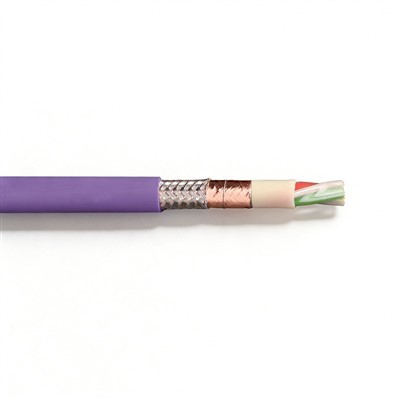
Choosing a flexible cable isn’t as simple as it might seem at first. You need to think about your application requirements, check the cable’s specifications, consider the environment, evaluate the manufacturer, and balance the cost. By following these tips, you’ll be able to make a more informed decision and choose a flexible cable that’s right for you.
Load Bank Cables If you’re in the market for flexible cables and want to discuss your specific needs, feel free to reach out. We can have a chat about the best cable solutions for your project.
References
- Electrical Installation Handbook by ABB
- Cables and Wires Handbook by International Cablemakers Association
- Fundamentals of Electric Circuits by Charles K. Alexander and Matthew N. O. Sadiku
Cixi Davos Wire & Cable Co., Ltd.
As one of the most professional flexible cable manufacturers and suppliers in China, we also support customized service. Please feel free to buy bulk high quality flexible cable in stock here from our factory. For price consultation, contact us.
Address: No.3, Lane 91, Ruan Ding Road, Linxi Village, Xiaolin Town, Cixi City
E-mail: roy798@163.com
WebSite: https://www.cj-supplychain.com/
