Hey there! I’m a supplier of linear milling machines, and today I wanna share some tips on how to maintain these bad boys. Keeping your linear milling machine in top – notch shape isn’t just about making it last longer; it also ensures you get the best results from your machining jobs. Linear Milling Machine
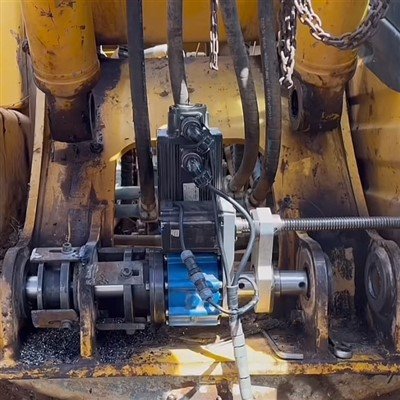
1. Regular Cleaning
First off, cleaning is super important. After each use, you gotta clean the machine. Chip buildup can be a real pain in the neck. These chips can get into moving parts, causing wear and tear over time. Use a brush to get rid of loose chips from the worktable, spindle, and other accessible areas.
For more stubborn grime, you can use a mild cleaning agent. But don’t go overboard! Make sure it’s compatible with the machine’s materials. Wipe down the surfaces with a clean, dry cloth. And pay special attention to the coolant system. Coolant can pick up all sorts of debris, so clean the coolant tank regularly. You don’t want dirty coolant circulating through the machine, as it can damage the cutting tools and the workpiece.
2. Lubrication
Lubrication is like giving your machine a drink of water. It keeps everything running smoothly. Check the lubrication levels frequently, at least once a week if the machine is used regularly. Different parts of the machine need different types of lubricants.
The ball screws, for example, need a high – quality lubricant to reduce friction. If the ball screws aren’t lubricated properly, they’ll wear out quickly, and you’ll notice a decrease in the machine’s accuracy. The guideways also need lubrication. Apply the recommended lubricant according to the manufacturer’s instructions. And don’t forget to clean the lubrication ports before adding more lubricant. This ensures that no dirt or debris gets into the system.
3. Inspection of Cutting Tools
Your cutting tools are the heart of the linear milling machine. Inspect them before and after each use. Look for signs of wear, such as chipping, dullness, or excessive heat discoloration. A worn – out cutting tool can not only ruin your workpiece but also put extra stress on the machine.
If you notice any issues with the cutting tools, replace them immediately. Using the right cutting tools for the job is also crucial. Different materials and machining operations require different types of cutting tools. Make sure you’re using the correct ones to avoid unnecessary wear on the machine and to get the best machining results.
4. Checking Electrical Components
The electrical components of the linear milling machine are just as important as the mechanical parts. Check the wiring regularly for any signs of damage, like fraying or exposed wires. Loose connections can also cause problems. A loose wire can lead to electrical shorts, which can damage the control system or even pose a safety hazard.
Inspect the control panel for any error messages. If you see an error, don’t ignore it. Try to troubleshoot the problem based on the machine’s manual. If you can’t figure it out, it might be time to call in a professional. Also, keep the electrical cabinet clean and dry. Dust and moisture can cause damage to the electrical components over time.
5. Monitoring Machine Accuracy
Accuracy is key when it comes to milling. Periodically check the machine’s accuracy. You can use precision measuring tools like dial indicators to measure the alignment of the worktable, spindle, and other critical components. If you notice any deviation from the specified accuracy, you might need to adjust or calibrate the machine.
Calibration is a bit technical, and it’s best to follow the manufacturer’s instructions. If you’re not confident in your calibration skills, it’s always a good idea to hire a professional. A well – calibrated machine will give you better quality workpieces and fewer headaches in the long run.
6. Maintaining the Hydraulic System (if applicable)
Some linear milling machines have a hydraulic system. If your machine does, you need to keep an eye on it. Check the hydraulic fluid level regularly. Low fluid levels can cause the hydraulic pump to work harder, leading to premature wear.
Also, look for any signs of hydraulic fluid leaks. Leaks can not only make a mess but also affect the performance of the machine. If you find a leak, identify the source and fix it as soon as possible. And don’t forget to change the hydraulic fluid at the recommended intervals. Old fluid can become contaminated, which can damage the hydraulic components.
7. Operator Training
Last but not least, proper operator training is essential for machine maintenance. Make sure your operators know how to use the machine correctly. Incorrect operation can cause unnecessary wear and tear on the machine.
Train them on how to load and unload workpieces safely, how to select the right cutting parameters, and how to perform basic maintenance tasks. A well – trained operator can spot potential problems early and take the necessary steps to prevent them from becoming major issues.

So, there you have it! These are some of the key steps to maintaining a linear milling machine. By following these tips, you can extend the lifespan of your machine, improve its performance, and save yourself a lot of money in the long run.
Flange Facer If you’re in the market for a high – quality linear milling machine or need more advice on maintenance, don’t hesitate to reach out to us. We’re here to help you get the most out of your machining operations.
References
- Manufacturer’s manuals of linear milling machines
- Industry – specific magazines and journals on machining and machine tool maintenance
Shangqiu JDA Machinery Technology Co., Ltd.
With abundant experience, we are one of the most professional linear milling machine manufacturers and suppliers in China. We warmly welcome you to buy cheap linear milling machine for sale here from our factory. Quality products and reasonable price are available.
Address: No. 55 Pingyuan Middle Road, Liangyuan District, Shangqiu, Henan, China
E-mail: sales@jdamachines.com
WebSite: https://www.jdamachines.com/
